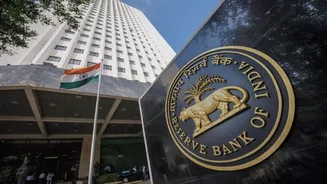








What Changes With the 2027 Rules?
The RBI's upcoming guidelines are a significant upgrade to borrower protection. They expand the definition of harassment and place stricter obligations on banks, NBFCs, and the recovery agents they hire. A key change restricts agents from contacting borrowers
before 8 a.m. or after 7 p.m. Furthermore, lenders are now required to formally notify you about the specific recovery agency assigned to your case, including the agent's name and contact details, before they can make contact. This ends the era of anonymous calls and promotes accountability. The rules also mandate that all recovery agents must undergo certified training, ensuring they understand and adhere to these ethical boundaries. This framework is designed to curb the aggressive tactics that have led to widespread complaints.
Defining Unfair and Harassing Conduct
Knowing your rights starts with understanding what constitutes a violation. Under the new framework, the following actions by recovery agents are strictly prohibited: using abusive, threatening, or intimidating language; making anonymous calls; or repeatedly calling to harass you. They cannot resort to publicly humiliating you, your family, friends, or co-workers, which includes posting your personal details on social media. Any threat of violence or physical intimidation is, of course, illegal. The rules also forbid agents from making false or misleading statements, such as exaggerating the debt amount or misrepresenting the legal consequences of non-repayment. A major addition addresses technological overreach: lenders cannot remotely lock or disable your phone or laptop as a recovery tool unless that specific device was financed by the loan in question. Even then, they cannot impose a full restriction until the loan is 60 days overdue and must leave essential services like incoming calls and emergency features active.
The Power of Proof: What Evidence to Collect
If you believe an agent has crossed a line, a complaint is only as strong as the evidence supporting it. Documentation is your most powerful tool. Start by keeping a detailed log of every interaction. For each call or visit, note the date, time, the agent's name, and the company they represent. Write down specific phrases used, especially any abusive or threatening language. Save screenshots of all text messages, WhatsApp chats, and emails from the agent. These digital records are concrete proof of harassment. If possible and legally permissible in your jurisdiction, record phone calls with the recovery agents. A recording can be the most compelling evidence you have. If an agent visits you in person, they are required to carry proper identification and authorization from the lender, which you have the right to verify. Don't hesitate to ask for it.
How to File a Complaint: A Step-by-Step Guide
If you face harassment, don't suffer in silence. The RBI has a structured grievance redressal mechanism. Your first step is to file a formal complaint with the lender's own grievance redressal officer. Submit your complaint in writing, detailing the violations and attaching all the evidence you have collected. Banks and NBFCs are required to acknowledge your complaint and provide a resolution within 30 days. If the lender fails to respond within that timeframe or you find their response unsatisfactory, you can escalate the matter. The next level is the RBI Ombudsman, a free and impartial body designed to resolve customer complaints. You can file a complaint online through the RBI's Complaint Management System (CMS) portal. This system ensures your complaint is officially logged and tracked, putting pressure on the financial institution to comply with the regulations.
Your Rights Beyond the Banking Regulator
The RBI's rules are not your only line of defense. Extreme harassment can also be a criminal matter. If a recovery agent physically intimidates you or threatens you or your family, you have the right to file a First Information Report (FIR) with the local police. Actions like criminal intimidation and intentional insult to provoke a breach of peace are punishable under the Indian Penal Code. Additionally, you can approach a consumer court to seek compensation for mental agony and harassment caused by the lender's agents. These legal avenues exist alongside the RBI's framework and can be pursued simultaneously to protect your rights and ensure accountability.