

Understanding the Glycemic Index
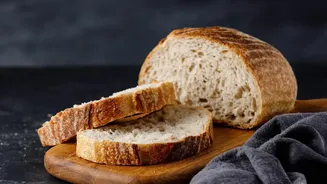
First, let's break down the Glycemic Index (GI). It’s a scale that ranks carbohydrate-containing foods by how much they raise blood glucose levels after being eaten. Foods with a high GI, like those made with refined white flour (maida), are digested
quickly, causing a rapid spike and subsequent crash in blood sugar. This can leave you feeling tired and craving more sweets. In contrast, low-GI foods are digested slowly, leading to a gradual, steady release of energy. Diets rich in low-GI foods are linked to better blood sugar control, improved weight management, and a reduced risk of conditions like type 2 diabetes and heart disease.
The Mighty Comeback of Millets
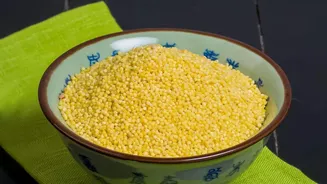
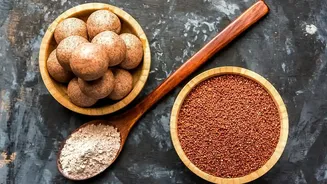
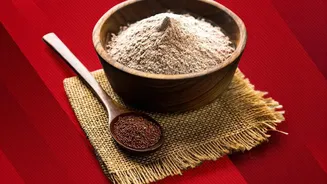
This is where our native millets come in. For centuries, grains like jowar (sorghum), bajra (pearl millet), and ragi (finger millet) were staples in Indian diets before polished rice and refined wheat became dominant. These ancient grains are now making a celebrated return, and for good reason. Most millets naturally have a low to medium GI. This is primarily due to their high fibre content, which slows down digestion and the absorption of sugar into the bloodstream. Millets are also gluten-free and packed with essential nutrients like protein, iron, calcium, and magnesium, making them a powerhouse of nutrition.
The Baker's New Challenge
Swapping refined flour for millet flour isn't a simple one-to-one exchange. Millets lack gluten, the protein that gives traditional bread and cakes their elastic, airy structure. This presents a creative challenge for bakers. To achieve a desirable texture, bakers often experiment with blending different millet flours or combining them with other binders like psyllium husk or xanthan gum. The distinct, nutty flavour of millets also needs to be balanced. Innovative bakers pair them with complementary ingredients like jaggery, nuts, seeds, fruits, and warm spices to create products that are not just healthy but also delicious. Some suppliers now even offer specialised millet-based cake and bread mixes to help bakers.
Guilt-Free Indulgence on the Menu
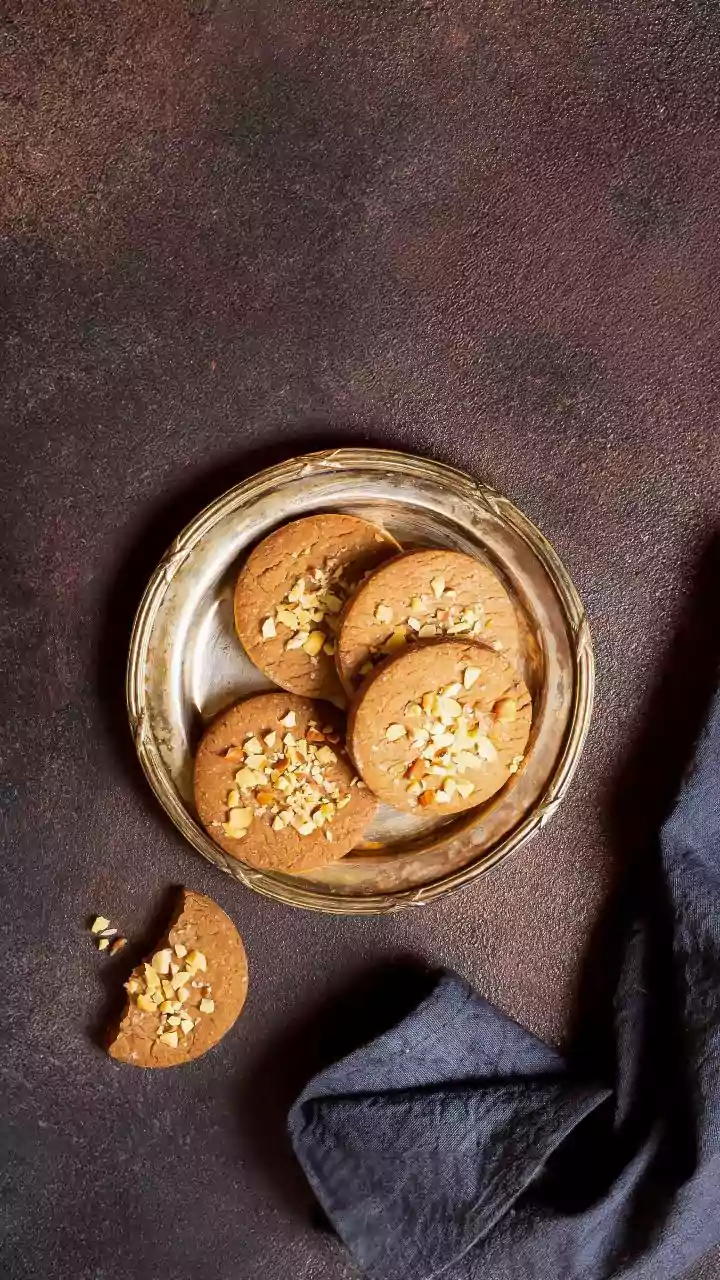
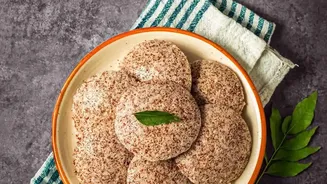
So, what kind of low-GI treats can you find? The possibilities are expanding daily. Local bakeries and health-focused brands are rolling out an array of snacks that redefine healthy indulgence. Think of crunchy bajra khakhras, flavourful jowar chips, and ragi cookies that are rich in calcium. You can also find savoury murukku made from pearl millet (kambu), multigrain crackers, and even brownies and cakes crafted with a blend of millet flours. These products offer the satisfaction of a bakery snack while providing sustained energy and valuable nutrients.
A Healthier Choice for Everyone
This trend is a win-win situation. Consumers get access to healthier, diabetic-friendly snack options that don’t compromise on taste. Local bakeries get to innovate and cater to a growing market of health-conscious customers. Furthermore, the increased demand for millets supports Indian farmers and promotes agricultural biodiversity, as these grains are hardy, drought-resistant, and well-suited to the Indian climate. By choosing a millet-based snack, you're not just making a better choice for your own health, but also for the local economy and the environment.