





The Universe Within Us
Often called a 'virtual organ', the gut microbiome is the complex community of trillions of bacteria, viruses, and fungi living in our digestive tracts. On Earth, a diverse and balanced microbiome is a hallmark of good health. It helps digest food, produces
essential vitamins, regulates our immune system, and even influences our mood. These microbes are crucial for day-to-day physiological activities, and an imbalance, or 'dysbiosis', has been linked to numerous diseases. Think of it as a bustling internal ecosystem that works in harmony with our body. When that ecosystem is thrown off, the consequences can be felt system-wide.
Space: The Ultimate Gut Stressor
Spaceflight puts the human body under extreme stress, and the gut is no exception. Several factors unique to space travel conspire to disrupt this delicate internal balance. Microgravity is a prime suspect; recent studies suggest it slows the movement of food through the intestines. This can lead to constipation, a common complaint among astronauts. When digestion slows, gut bacteria that normally feast on fiber can run out of their preferred food and begin breaking down proteins instead, a process that produces different and potentially harmful compounds. Add to this a diet of pre-packaged food, altered sleep cycles, psychological stress, and exposure to cosmic radiation, and you have a recipe for significant microbial disruption.
What Happens to the Astronaut Gut?
Research from NASA and other international space agencies has provided a fascinating glimpse into the astronaut gut. Studies on International Space Station (ISS) crew members show that spaceflight substantially affects the composition and function of their gut microbiota. For example, NASA's landmark Twins Study, which compared astronaut Scott Kelly during his year in space with his identical twin Mark on Earth, noted a distinct shift in the ratio of two major bacterial categories in Scott's gut. Interestingly, these changes often begin to revert to pre-flight levels shortly after returning to Earth, suggesting the gut is resilient but also highly sensitive to the space environment. However, some changes can persist, and researchers have also noted that the contained environment of a spacecraft can lead to a less diverse gut microbiome among the crew over time.
Protecting Our Interstellar Explorers
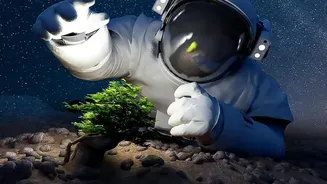
For long-duration missions to the Moon, Mars, and beyond, a compromised gut is a serious health risk. An imbalanced microbiome can affect nutrient absorption, immune function, and bone health—all of which are already challenged by spaceflight. To counter this, scientists are developing a range of strategies. These include specially designed diets rich in fiber and other prebiotics that feed good bacteria. Probiotic supplements containing beneficial live bacteria are also being explored to help maintain microbial balance. In the future, personalized nutrition plans, potentially using bioengineered space-grown crops with higher nutrient content, could be designed based on an astronaut's individual physiology to keep their gut and overall health in optimal condition.
How Space Research Benefits Earth
Studying astronaut gut health isn't just about ensuring mission success; it has profound implications for medicine back on Earth. The accelerated health changes seen in astronauts, like bone density loss and immune shifts, provide a unique model for understanding similar processes related to aging and disease on our planet. For example, understanding how microgravity-induced constipation changes gut function can offer new insights for treating digestive problems in bed-ridden patients or the elderly. The countermeasures developed for astronauts, from advanced probiotics to targeted nutrition, could lead to new treatments for gut-related inflammatory and metabolic diseases for everyone.