


An Escape From The Monsoon
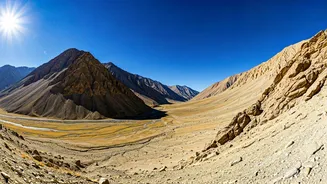
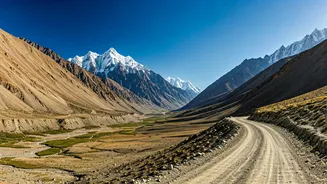
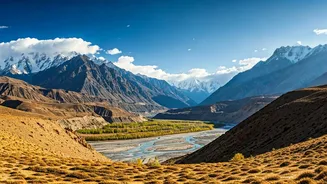
Spiti's most compelling feature during the Indian summer is its unique geography. Tucked behind the mighty Himalayan ranges, it lies in a rain-shadow region. This means the towering peaks block the moisture-laden monsoon clouds that drench the rest of
the country from July to September. While other hill stations grapple with downpours and closures, Spiti enjoys a dry, arid climate with clear blue skies and minimal rainfall, making it a safe and accessible haven for travellers. The air is crisp, the sun is bright, and the weather is perfect for exploration.
Roads Are Open for Adventure
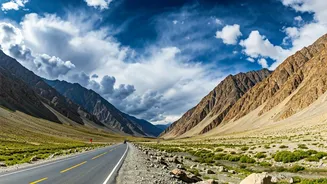
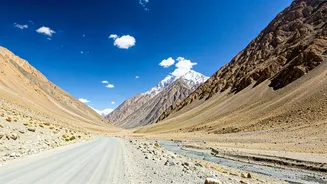
July and August are prime months for a Spiti road trip because both major access routes are typically open. The route from Shimla via Kinnaur is known for its year-round reliability, though it's longer. The more dramatic and shorter route from Manali via the Kunzum Pass usually opens by mid-June, making the full circuit possible. This accessibility means you can explore iconic spots like Kaza, the main town, and the pristine Chandratal Lake (the 'Moon Lake'), which becomes reachable during these summer months. While the Manali route can be challenging with rough patches and water crossings, it offers an unmatched adventure.
Landscapes in Surprising Colors
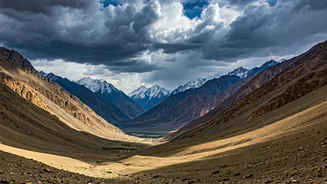
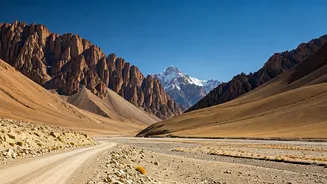
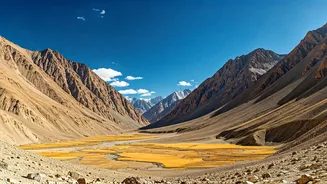
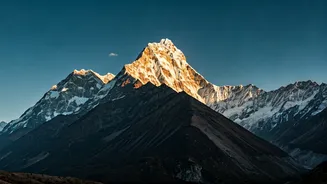
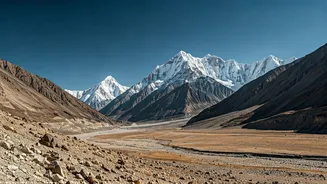
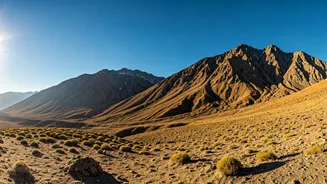
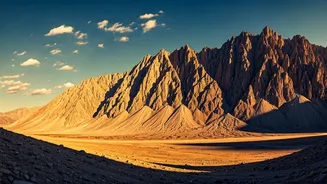
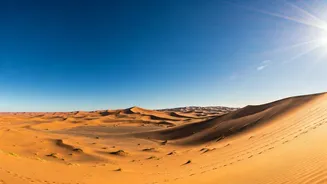
Spiti is famously called a cold desert for its barren, moon-like terrain. However, the light showers it receives during this season bring a surprising transformation. The otherwise brown and grey valleys sprout patches of vibrant green, especially in irrigated areas near villages. This creates a stunning visual contrast against the rugged mountains and snow-capped peaks. For photographers and nature lovers, this period offers a unique palette—moody skies, lush meadows, and the raw beauty of the Himalayas, a sight very few travellers get to witness.
Thriving Culture and Fewer Crowds
Because many travellers are wary of the monsoon, Spiti sees significantly fewer tourists in July and August compared to the peak season of May and June. This allows for a more serene and personal experience. You can explore ancient Buddhist monasteries like Key, Tabo, and Dhankar without the usual rush, offering a chance for quiet reflection. These monasteries are not just historical sites but living centers of Buddhist culture. This season also hosts vibrant local festivals, such as the Ladarcha Fair in Kaza and the Ki Chaam festival, where you can witness traditional masked dances performed by lamas.
A Paradise for Stargazers
The clear, monsoon-washed skies of Spiti offer some of the best stargazing opportunities in India. With negligible light pollution and high altitude, the night sky comes alive with an astonishing number of stars. On a moonless night, the Milky Way is often visible to the naked eye, stretching across the horizon in a breathtaking display. Camping near Chandratal Lake or in a remote village like Langza provides an unforgettable celestial experience, making it a perfect destination for astronomers and anyone looking to reconnect with the cosmos.
Unique High-Altitude Experiences
Spiti is home to some of the world's highest inhabited villages, offering unique experiences. You can send a postcard from the world's highest post office in Hikkim, or hunt for marine fossils in the villages of Langza and Komic, reminders that this desert was once an ancient sea. The valley is also a hub for adventure activities like river rafting in the Spiti and Pin rivers, and trekking to high-altitude lakes like Dhankar Lake. These activities are best enjoyed in the pleasant summer weather that this season provides.