


Why Protein is a Priority
Protein is a fundamental building block for the body, crucial for everything from muscle repair and growth to immune function and hormonal balance. Unlike fats and carbohydrates, the body doesn't store protein, meaning a steady daily intake is essential.
For many Indians, especially vegetarians, daily protein consumption often falls short of the recommended amount. The Indian Council of Medical Research (ICMR) suggests a daily intake of 0.83 grams of protein per kilogram of body weight for a sedentary adult. This need increases for those who are physically active. A diet rich in varied protein sources not only helps in feeling full and managing weight but also provides sustained energy, preventing mid-day slumps and cravings.
Lentils: The Humble Powerhouse
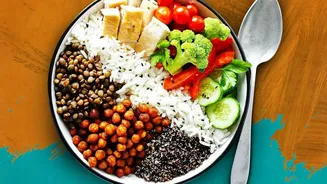
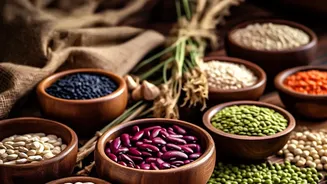
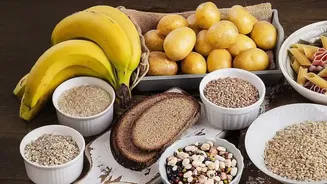
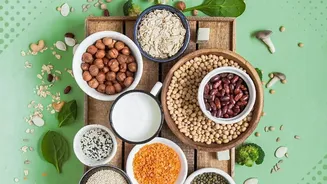
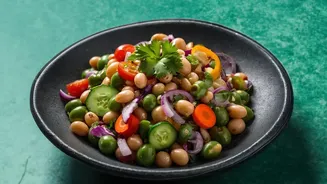
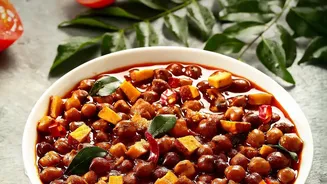
Lentils, or dal, are a cornerstone of Indian cuisine and a nutritional powerhouse. A single cooked cup can provide around 18 grams of protein. They are also an excellent source of dietary fibre, which aids digestion, and essential minerals like iron, crucial for transporting oxygen to your muscles. While incredibly healthy, most lentils are considered 'incomplete' proteins, meaning they lack one or more of the nine essential amino acids the body cannot produce on its own. However, this is easily remedied by pairing them with grains like rice or roti, a combination that has been traditionally perfected in Indian meals to form a complete protein profile.
Paneer: The Rich Dairy Dynamo
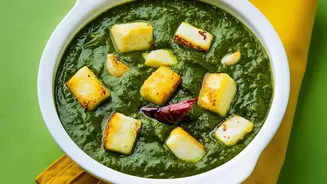
Paneer, a fresh, non-aged cheese, is one of the most popular protein sources in Indian vegetarian cooking. It delivers a significant protein punch, with a 100-gram serving offering about 18 to 21 grams of high-quality, complete protein derived from milk. This makes it particularly effective for muscle repair and maintenance. Paneer is also a fantastic source of calcium, vital for bone strength. However, it is also higher in calories and saturated fat compared to its plant-based counterparts, so it's best consumed in moderation as part of a balanced diet.
Tofu: The Versatile Vegan Staple
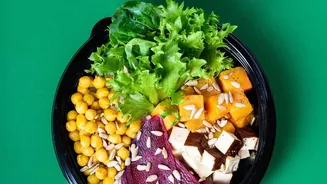
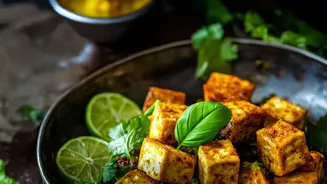
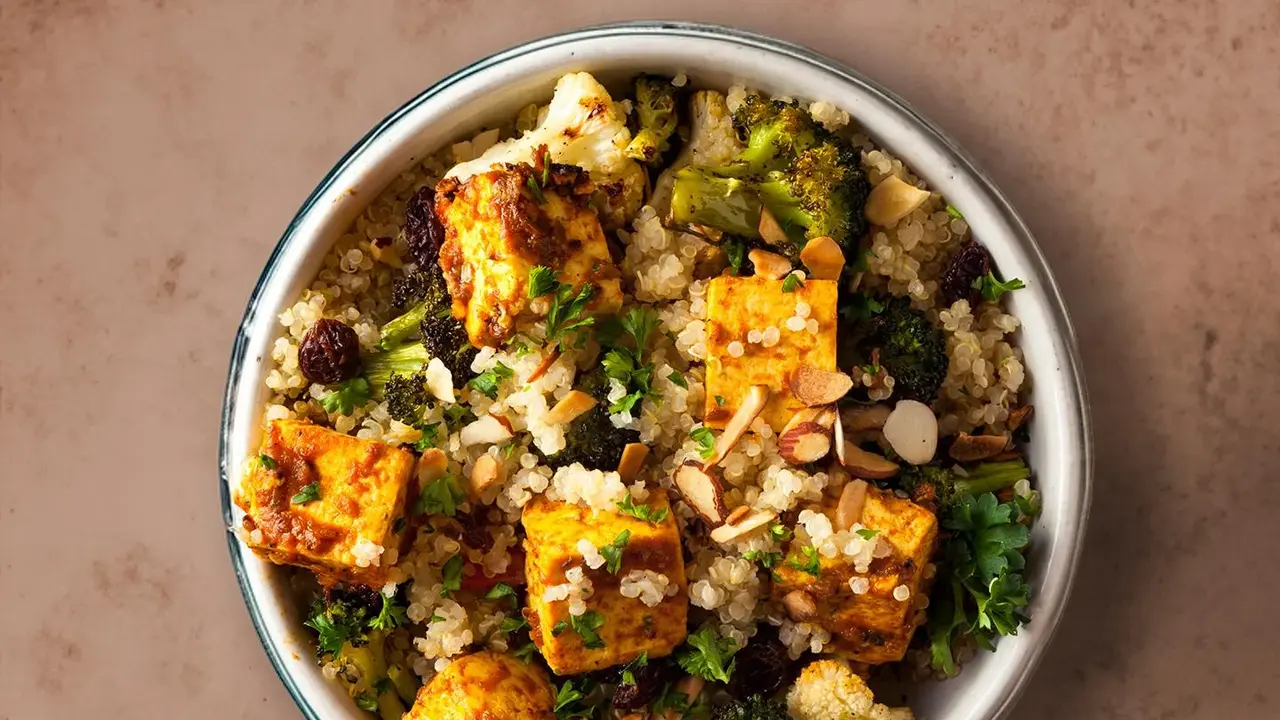
Made from soybeans, tofu is an incredibly versatile ingredient that absorbs flavours beautifully. Unlike many plant proteins, soy is a complete protein, providing all nine essential amino acids your body needs. A 100-gram serving of firm tofu contains about 8-10 grams of protein but is significantly lower in calories and fat than paneer, making it a great option for weight management and heart health. Tofu is also rich in iron, a mineral that supports energy levels. Its neutral taste and varied texture, from silken to extra-firm, allow it to be used in everything from scrambles (bhurji) to curries and stir-fries.
The Synergy Strategy: Smart Combinations
The real magic happens when you combine these three protein sources, not necessarily in the same meal, but throughout your day and week. This strategy ensures you receive a wide spectrum of amino acids, vitamins, and minerals. For instance, a lunch of dal and rice provides a complete protein, while a dinner featuring paneer or tofu bhurji adds high-quality dairy or soy protein. A meal plan could include moong dal cheela for breakfast, a paneer tikka salad for lunch, and a tofu and vegetable stir-fry for dinner. This variety ensures you are not only meeting your protein quantity goals but also achieving protein quality, all while getting the fibre from lentils, calcium from paneer, and iron from tofu.
Putting it all Together
To effectively build a high-protein vegetarian diet, aim to include a primary protein source in every meal. Start your day with a protein-rich breakfast to fuel your morning. Incorporate a mix of lentils and legumes daily, paired with grains. Use paneer in dishes where you want richness and a significant protein boost, and turn to tofu for lighter, everyday meals that are still packed with complete protein. By rotating between lentils, paneer, and tofu, you create a diet that is not only nutritionally robust and balanced but also diverse and flavourful, making it easy to stick to your health goals for the long term.