





Start With Just Your Eyes
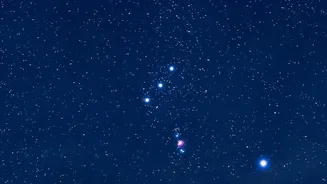
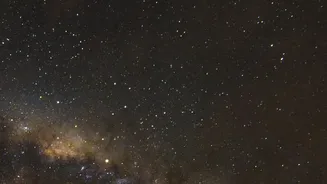
The most important piece of stargazing equipment is the one you already have: your eyes. Before you spend a single rupee, spend some time just looking up. The biggest barrier for most beginners isn't a lack of gear, but a lack of patience. Your eyes need
at least 20-30 minutes to fully adapt to the dark, a process called dark adaptation. During this time, avoid looking at your phone or any other bright light. As your pupils dilate and your eyes become more sensitive to faint light, you'll be amazed at how many more stars become visible. This is the first and most crucial step. Learn to be patient and let the universe reveal itself.
A Good Pair of Binoculars
Before you even think about a telescope, consider binoculars. Most astronomers agree they are the best first instrument for a beginner. They are portable, affordable, and offer a wide field of view, which makes it much easier to find your way around the constellations. A standard pair of 7x50 or 10x50 binoculars are ideal. The first number is the magnification (7x or 10x), and the second is the diameter of the front lenses in millimetres. The larger lenses gather more light, revealing faint objects you can't see with the naked eye. With a simple pair of binoculars, you can see craters on the Moon, the moons of Jupiter, and the fuzzy glow of distant star clusters and nebulae.
A Stargazing App on Your Phone
While looking at your phone screen can ruin your night vision, a good stargazing app used correctly is an invaluable tool. Apps like Star Walk 2, SkyView, and Stellarium Mobile use your phone's GPS and compass to create a real-time map of the sky. Just point your phone upwards, and the app will identify the stars, constellations, and planets you're looking at. Many of these apps have a 'night mode' which turns the screen red. Red light has a much lower impact on your dark-adapted eyes, allowing you to check your star map without having to wait another 30 minutes for your vision to readjust. For those in India, these apps are a fantastic way to learn the celestial roadmap from your own balcony or a nearby dark spot.
Comfort and Warmth
Stargazing often involves staying still for long periods, and even on a pleasant night, the temperature can drop significantly after sunset. Being cold and uncomfortable is the fastest way to end your observing session. Dress in layers, even if the evening feels warm when you start. A comfortable reclining chair or even just a thick blanket on the ground will save you from a sore neck. A flask with a warm drink is also a welcome companion on a cool night. The goal is to make the experience as pleasant as possible so you can focus on the sky above.
A Plan to Find Dark Skies
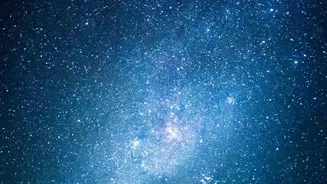
For city dwellers in India, the biggest challenge is light pollution. The bright glow of urban areas can wash out all but the brightest stars and planets. While you can certainly see the Moon and some planets from a city, to truly experience the night sky, you need to get away from the lights. Even a short drive outside the city limits to a less developed area can make a dramatic difference. Use light pollution maps available online to find darker spots near you. A New Moon phase is also your best friend, as the absence of bright moonlight provides the darkest possible skies.
What to Look for This October
October 2026 offers some wonderful celestial treats. Early in the month, look for the Draconid meteor shower, which peaks on the evening of October 8-9. The good news for viewers is that the peak happens near the New Moon, meaning skies will be dark and viewing conditions excellent, weather permitting. Later, the famous Orionid meteor shower, created by debris from Halley's Comet, peaks on the mornings of October 21-22. While a bright moon will interfere this year, the best viewing will be in the dark hours before dawn after the moon has set. These meteors are known for being fast and bright.