


From Beaches to Palaces
There's a palpable shift in post-wedding travel. Instead of the once-ubiquitous sandy beaches of Goa or Kerala, a growing number of Indian newlyweds are looking towards the majestic, history-drenched landscapes of Rajasthan. The trend involves trading
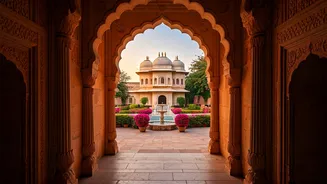
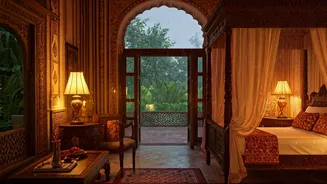
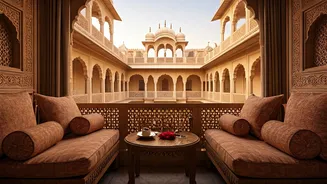
infinity pools for ancient stepwells and resort buffets for royal thalis. Couples are increasingly choosing to spend their honeymoons in restored heritage properties—centuries-old forts, grand palaces, and intimate havelis that have been converted into luxurious hotels. This isn't just about a vacation; it's about curating an immersive, photogenic, and deeply personal experience that feels both grand and authentic.
The Allure of Royal Living
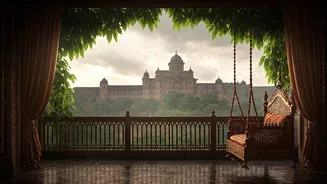
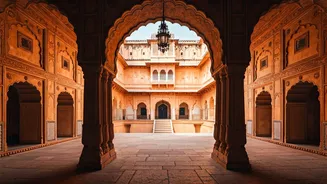
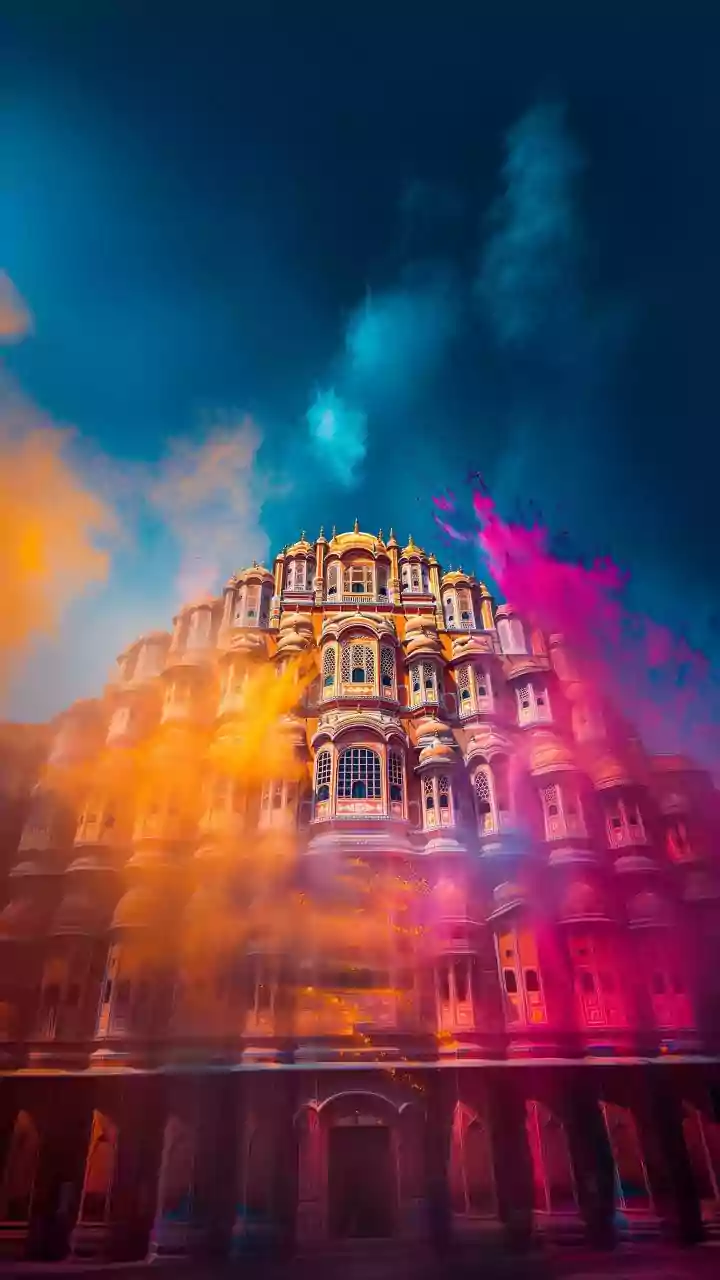
So, why the sudden surge in popularity? The reasons are a blend of modern desires and timeless romance. For one, the visual appeal is undeniable. Every jharokha, fresco-painted wall, and sun-drenched courtyard is a ready-made backdrop for stunning photos, making it a perfect fit for the Instagram generation. Beyond aesthetics, there's a growing desire for unique and authentic experiences. Staying in a place where maharajas once lived offers a connection to history and culture that a standard luxury hotel cannot replicate. It provides a sense of grandeur and exclusivity, allowing couples to feel like royalty, even if just for a few days. The hospitality, often featuring personalized butler service and curated local experiences, adds to this feeling of being truly special.
Grand Palaces for a Regal Affair
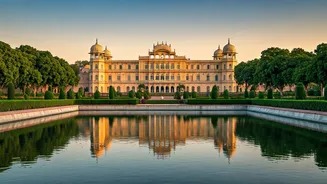
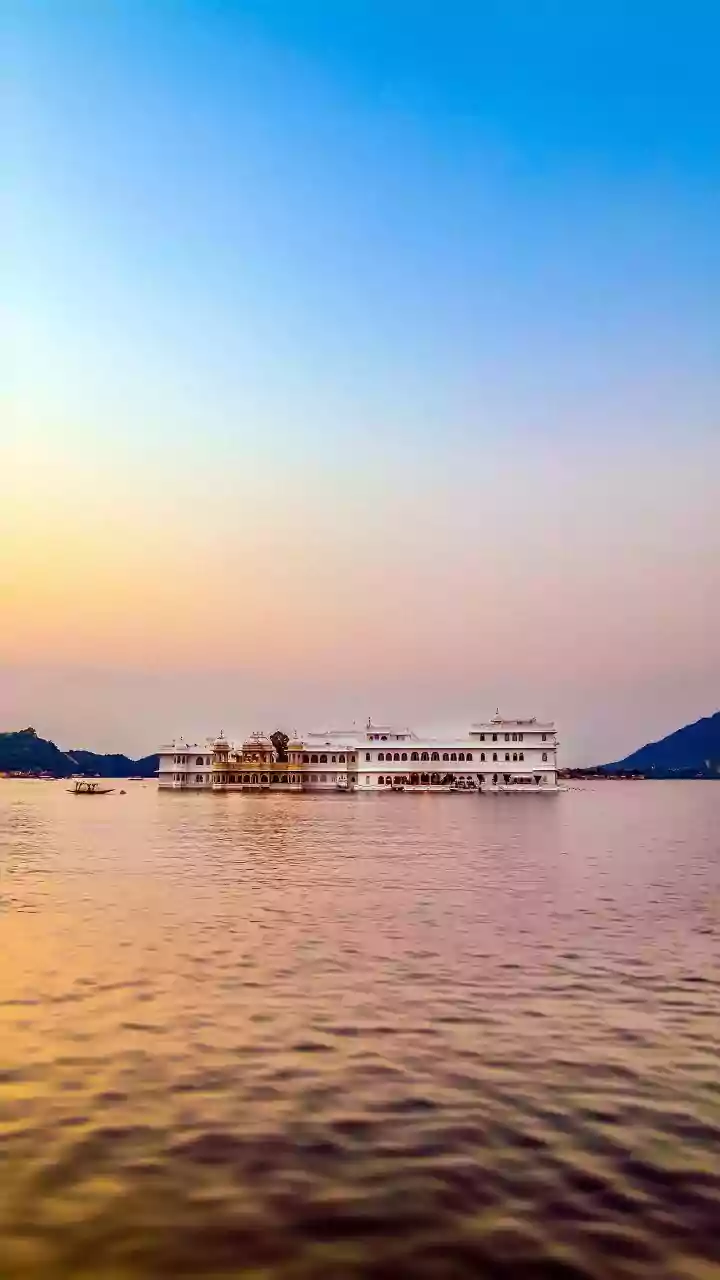
For those who want to experience the pinnacle of Rajasthani royalty, the options are legendary. Iconic properties like the Umaid Bhawan Palace in Jodhpur, still home to the royal family, offer an unparalleled art deco splendour. In Udaipur, the 'City of Lakes', the Taj Lake Palace appears to float ethereally on the waters of Lake Pichola, offering a truly spellbinding setting. Jaipur’s Rambagh Palace, once a royal guesthouse and hunting lodge, envelops guests in opulent gardens and exquisitely restored suites that were once the chambers of the Maharaja. These grand hotels are destinations in themselves, offering everything from vintage car drives to private dining on terraces with panoramic views.
Intimate Havelis and Boutique Forts
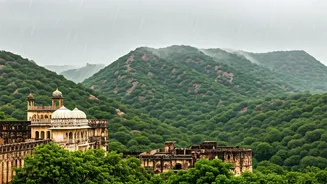
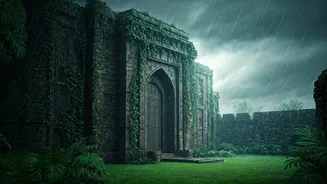
The heritage honeymoon trend isn't limited to ultra-luxury palaces. A significant part of its charm lies in the smaller, boutique properties that offer a more intimate and often more affordable experience. Restored havelis (traditional mansions) like Samode Haveli in Jaipur or The Piramal Haveli in Shekhawati provide a quieter, more personal glimpse into aristocratic life. Forts such as the 14th-century Hill Fort-Kesroli or the 18th-century RAAS Devigarh blend minimalist modern design with ancient stone walls, creating a unique and sophisticated atmosphere. These smaller properties often provide a deeper connection to the local culture, arranging activities like village walks, folk music performances, or cooking classes using ancestral recipes.
Crafting Your Perfect Heritage Honeymoon
Planning a royal Rajasthani honeymoon is about more than just booking a room. The experience is about the curated activities that make it memorable. Many couples choose to explore a few cities to get a fuller picture of the state. A popular itinerary might include the bustling bazaars and grand forts of Jaipur, the romantic lakes of Udaipur, and the golden desert landscapes of Jaisalmer or Jodhpur. To make the trip truly special, consider experiences like a hot air balloon ride over Jaipur at sunrise, a private sunset boat ride on Lake Pichola, or a camel safari followed by dinner under the stars in the Thar Desert. The best time to visit is during the cooler months from October to March, and it's wise to book well in advance, as these popular properties fill up quickly.