





Understanding the Deluge: What the Data Says
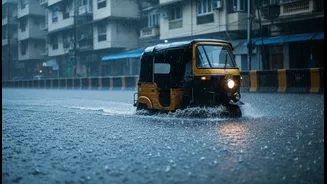
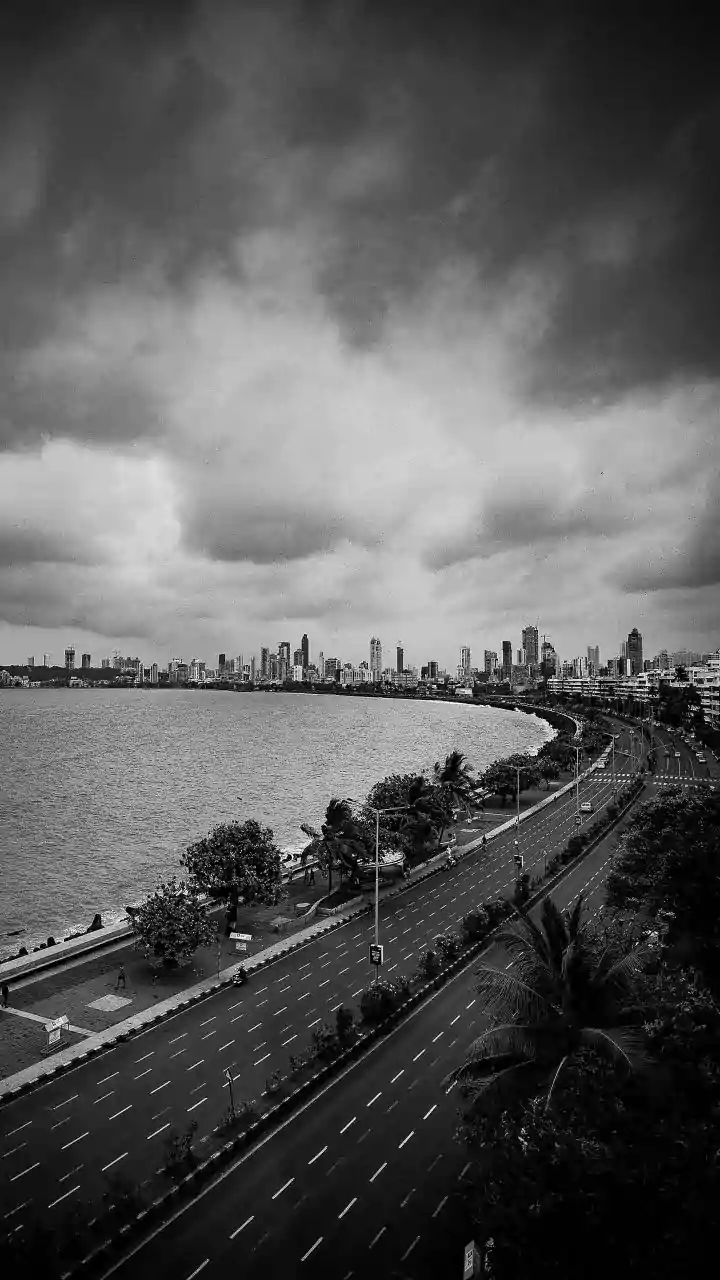
The first week of July 2026 was not just another rainy week in Mumbai; it was a record-setter. The city received an unprecedented amount of rainfall, with some observatories recording the entire month's average rainfall in just the first seven days. The Santacruz
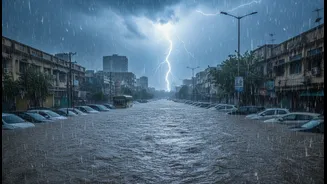
observatory, a key metric for the suburbs, recorded over 988 mm in that period, surpassing its monthly average of 919 mm. Similarly, the Colaba observatory registered 880.4 mm, exceeding its July average of 768 mm. This pattern reflects a worrying trend climate scientists have pointed out: the concentration of massive rainfall in short, intense bursts rather than steady showers. While the intense spell that triggered an Orange Alert has eased, with the IMD issuing a green alert for July 10, the impact of such deluges lingers and highlights the need for preparedness throughout the season.
Navigating the Gridlock: Your Commute Plan
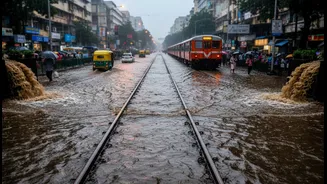
Intense rain invariably leads to commute chaos. The recent heavy spells led to significant disruptions on the Western Railway network, particularly affecting the Vasai-Virar corridor, leaving thousands of commuters stranded. Waterlogging at key areas like the Andheri subway, Kurla, and Nalasopara forced closures and caused severe delays. To navigate this, staying informed is your best strategy. Before heading out, check the Twitter handles of the Mumbai Traffic Police and Western & Central Railways for real-time updates. Use apps like M-Indicator for live train statuses. If possible, consider flexible work arrangements or starting your journey earlier or later to avoid peak disruption. Have a backup plan with alternative bus routes, but be aware that waterlogged roads affect all surface transport.
Decoding Waterlogging Hotspots
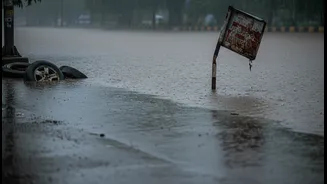
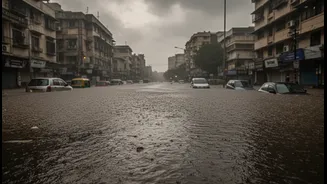
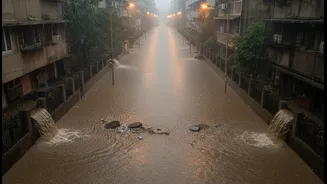
Certain low-lying areas in Mumbai are perennially vulnerable to waterlogging. These include Hindmata, Dadar, Andheri, Malad, Kurla, and parts of the western suburbs. Heavy rainfall, combined with high tides, overwhelms the city's old drainage system, leading to rapid flooding. The recent downpours saw waterlogging reported across these chronic spots, severely hampering movement. The Brihanmumbai Municipal Corporation (BMC) often deploys pumps, but in cases of extremely heavy rain—defined by the IMD as over 204.5 mm in 24 hours—even these measures can be insufficient. The smartest approach is to avoid these areas if a heavy rain warning is in effect. If you must traverse them, wear appropriate footwear and be wary of open manholes, which can be dislodged by water pressure.
Rented-Home Resilience: A Tenant's Guide
For renters, the monsoon brings a unique set of challenges. While major structural repairs like waterproofing and fixing external leaks are the landlord's responsibility under the Maharashtra Rent Control Act, tenants are not powerless. Before the season, it's wise to document any existing cracks or signs of seepage in writing and with photos to your landlord. During heavy rains, simple steps can prevent major headaches. Move wooden furniture away from walls and windows to prevent moisture damage. Use moisture absorbers like silica gel or naphthalene balls in wardrobes to combat dampness and prevent mould. Check for any water entering through window gaps and consider temporary sealing. In case of significant damage from flooding that makes the home uninhabitable, tenants may have the option to terminate the lease under the Transfer of Property Act, but this requires formal notice. For minor repairs you undertake because the landlord is unresponsive, keeping receipts may allow you to get reimbursement.
Your Monsoon Toolkit: Apps and Alerts
Technology is your best ally during the Mumbai monsoon. Ensure your phone is equipped with the right tools. The IMD's official website and social media channels provide the most reliable weather forecasts and alerts. The BMC's 'Disaster Management' app offers information on weather, tides, and emergency contacts. As mentioned, M-Indicator is indispensable for train commuters. Following official handles like @MumbaiPolice, @mybmc, @WesternRly, and @Central_Railway on Twitter provides instant, verified updates that can help you make smarter travel decisions and stay safe during the most challenging days of the season.