





Tackle Dampness and Prevent Mould
The single most important task post-monsoon is to combat dampness. Lingering moisture in walls, cupboards, and furniture creates a perfect breeding ground for mould and mildew, which can trigger allergies and respiratory problems. Start by opening windows
and doors to allow for cross-ventilation, letting sunlight act as a natural disinfectant. Use dehumidifiers in poorly ventilated rooms. Check inside wardrobes and cabinets; if you detect a musty smell, empty them and wipe the interiors with a dry cloth or a mild anti-fungal solution. For persistent damp patches on walls, it's crucial to identify the source, which could be a minor crack or a larger seepage issue that needs professional attention.
Inspect All Electricals for Safety
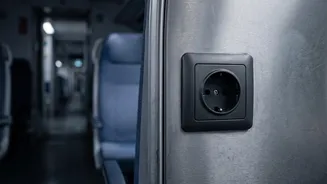
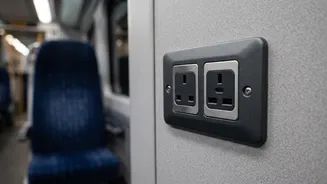
Water and electricity are a dangerous combination, and the monsoon season puts your home's wiring at risk. Moisture can seep into electrical panels, outlets, and junction boxes, creating a serious fire and electrocution hazard, even if surfaces appear dry. Visually inspect all outlets and switchboards for signs of rust or discoloration. Check for any unusual buzzing sounds or burning smells. Test your lights for any flickering. If a circuit breaker repeatedly trips, do not keep resetting it. This indicates a deeper problem that requires immediate professional help from a licensed electrician. Never attempt to open or repair a wet electrical panel yourself.
Check Walls and Ceilings for Damage
Constant exposure to rain can cause significant damage to your home's structure. Take a walk around and inside your house to inspect walls and ceilings for new cracks, peeling paint, or chalky deposits. These are often signs of water seepage. Pay close attention to the areas around window frames and external-facing walls. Minor cracks can often be filled, but larger ones might indicate a deeper structural issue that needs to be addressed before it worsens. If drywall or plaster feels soft or appears warped, it may have absorbed a lot of water and could need replacement to prevent mould growth within the wall cavity.
Conduct a Thorough Pest Control
The post-monsoon period often sees a spike in pests like mosquitoes, cockroaches, termites, and rodents. These pests seek shelter from the wet outdoors and find breeding spots in stagnant water and damp corners of your home. Clear out any stagnant water from pots, air cooler trays, and balconies to prevent mosquito breeding. Seal any cracks or holes in walls, floors, and around pipes to block entry points for rodents and cockroaches. This is also a good time to check wooden furniture and fixtures for signs of termites, which thrive in damp conditions. Consider a professional pest control service for a comprehensive treatment.
Care for Your Wooden Furniture and Doors
Wood absorbs moisture from the humid air during the monsoon, causing it to swell. This is why doors and windows often get jammed. Now that the humidity is decreasing, check all your wooden items. Wipe down furniture with a dry, soft cloth to remove any surface moisture. Apply a coat of wax or polish to protect the wood and restore its shine. For doors or windows that are still sticking, avoid forcing them. Instead, let them dry out naturally with good ventilation. A carpenter can carefully shave the edges if the problem persists after the wood has fully dried.
Clear Drains and Gutters
During the monsoon, leaves, debris, and silt can clog your rooftop gutters, balcony drains, and the main drainage system. Blocked drains can lead to water overflow and seepage back into your home's foundation and walls during the next heavy downpour. Now that the rains have subsided, it is the perfect time to clear them out thoroughly. Ensure all drains are flowing freely to prevent future water-logging issues. This simple step is crucial for protecting the structural integrity of your building.