

The Undeniable Case for Jaiswal
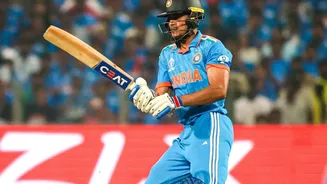
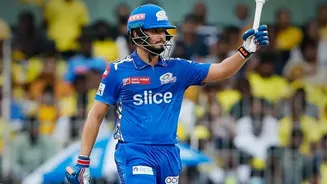
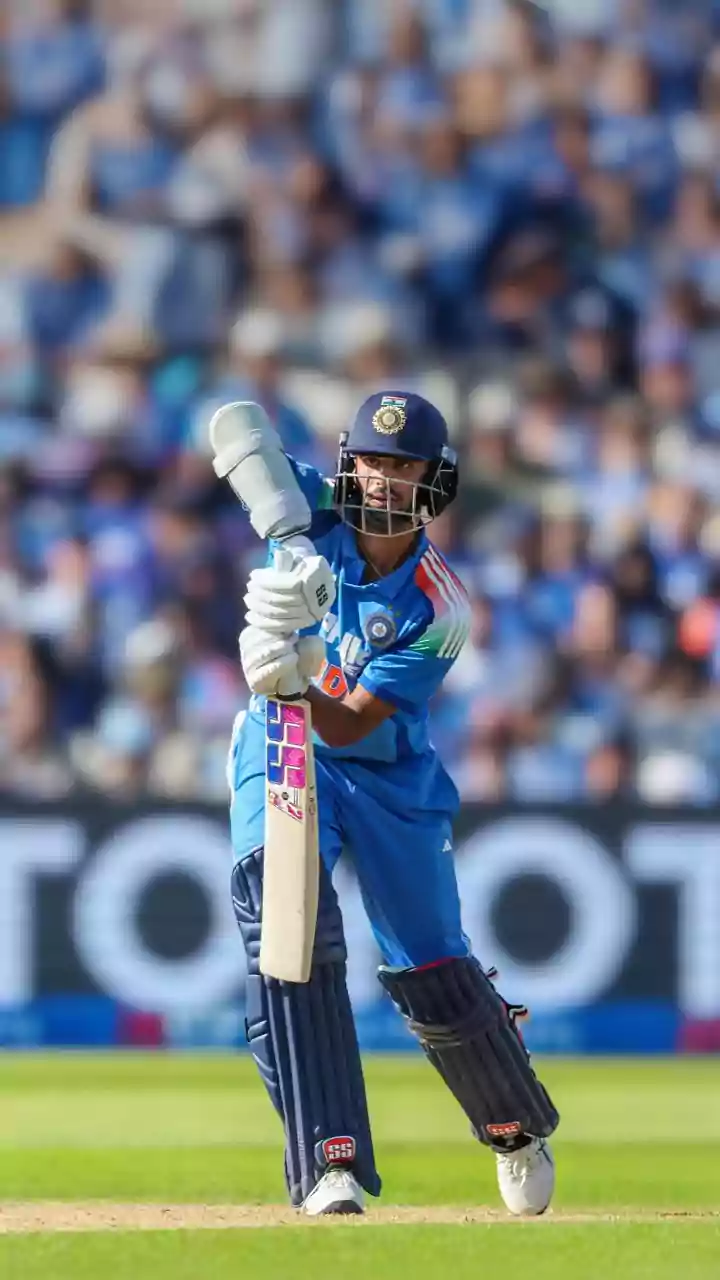
Yashasvi Jaiswal is more than just a promising talent; he's a phenomenon. The left-handed opener has demonstrated an incredible appetite for runs across formats. After a breakthrough 2023 IPL season where he amassed 625 runs, he has gone from strength
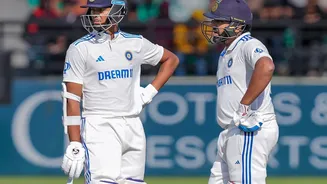
to strength. His Test career has been particularly stunning, with centuries on debut in the West Indies, Australia, and England, showcasing a rare ability to adapt to diverse conditions. Many fans and experts believe this blistering form warrants a consistent run in the 50-over format. The argument is simple: reward the hot hand. In modern, aggressive white-ball cricket, a player like Jaiswal, who scores quickly and puts pressure on the opposition from the outset, is invaluable. His exclusion feels like a missed opportunity to blood a player who is clearly in the form of his life and could be a long-term, multi-format asset for India. The frustration is compounded by the fact that he is seen as the most obvious long-term replacement for the opening slot.
Rohit Sharma: The Veteran's Last Stand?
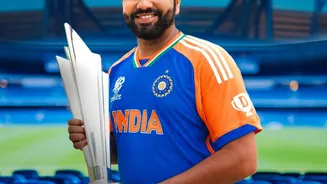
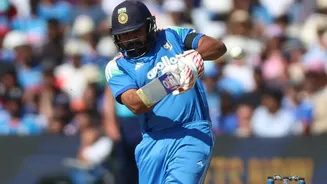
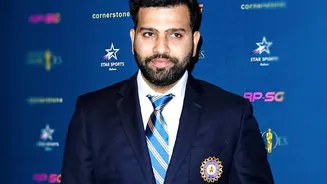
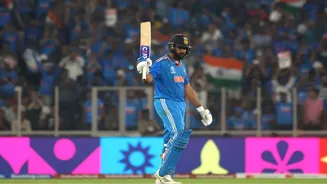
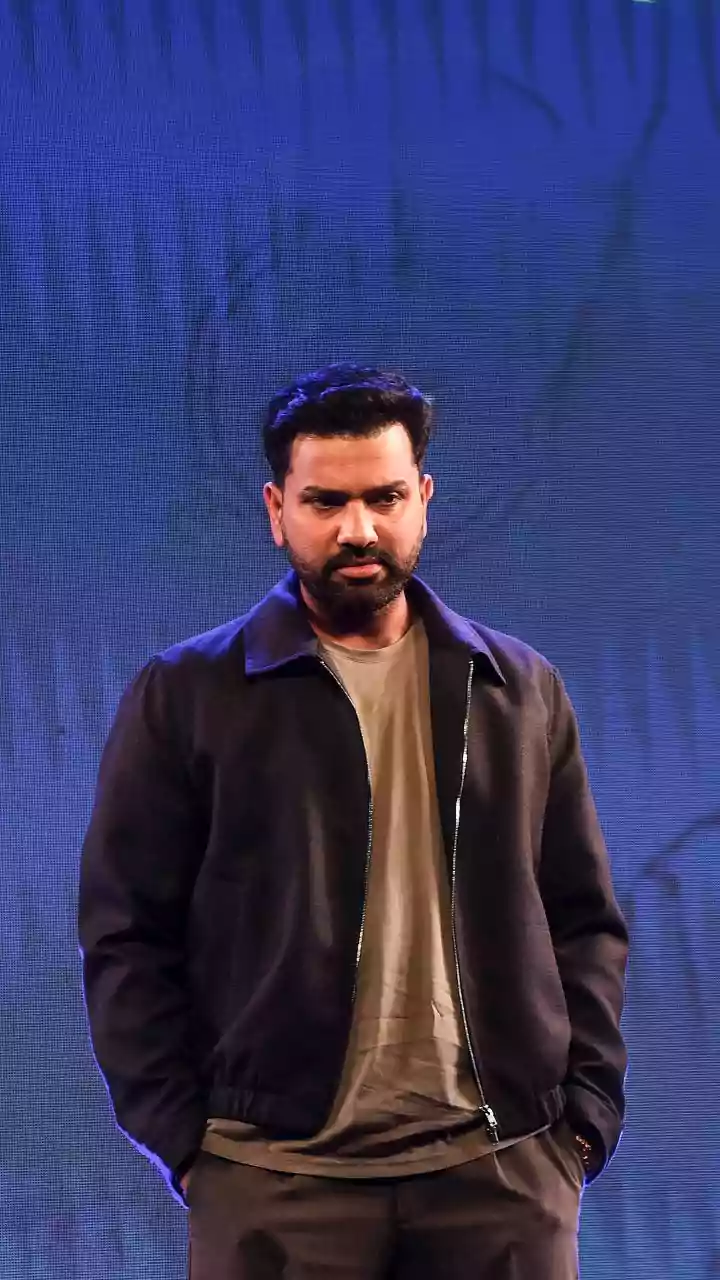
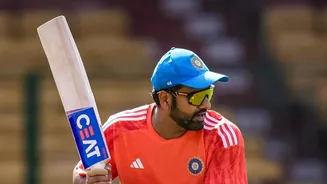
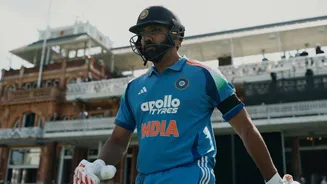
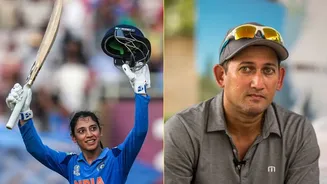
On the other side of the debate stands Rohit Sharma, a giant of the modern game and India's third-highest run-scorer in ODI history. At 39, he is in the twilight of his career, but his backers, including BCCI secretary Devajit Saikia, point to his continued ability to produce match-winning innings. Saikia recently dismissed speculation about Rohit's future by highlighting his magnificent 138 against England at Lord's in July 2026. He bluntly asked, "He is playing superbly in all matches. What more do you want?" This knock, and his overall record, form the core of the argument for his retention. The BCCI's perspective appears to be that a player of Rohit's calibre and experience is indispensable, especially with the 2027 World Cup as a long-term goal. His average of over 42 since the start of 2025, while lower than his career standard, is still respectable and includes crucial centuries. The board seems to be banking on his experience to guide the team in high-pressure situations, a quality that can't be measured in statistics alone.
Fairness vs. Strategy in Selection
The heart of the matter is whether this is a question of fairness or strategy. While it seems unfair to sideline a player as gifted as Jaiswal, cricket selection is rarely so simple. The team management is tasked with building a balanced squad for a World Cup that is still some time away, set to be played in South Africa, Zimbabwe, and Namibia. This involves more than just picking the 11 most in-form players. It's about creating combinations, ensuring a mix of right and left-handers, and balancing explosive youth with cool-headed experience. Persisting with Rohit could be a strategic decision to maintain stability in the leadership group and ensure a seasoned opener for challenging overseas conditions, like those expected in South Africa. Jaiswal, despite his immense talent, has played only a handful of ODIs, scoring his maiden century against South Africa in late 2025. The selectors might feel he needs more time or that disrupting a settled opening combination now is a risk they are unwilling to take. There are also reports of a disconnect between the selectors, who were rumoured to want to move on, and the BCCI office-bearers, who have publicly backed Rohit.
The World Cup 2027 Roadmap
Devajit Saikia's comments make it clear that the BCCI is thinking long-term, with a roadmap in place for the 2027 World Cup. He stated the board's intention is to have the best team combination in place well ahead of the tournament. This suggests a conservative approach, where proven performers are given a longer rope. Rohit, who will be 40 during the World Cup, is a significant part of this discussion. Backing him now is a clear signal that the board values his experience as a bridge to the next generation, rather than making an abrupt switch. However, this strategy is not without risks. An over-reliance on past laurels can lead to stagnation, and if Rohit's form were to decline sharply, the team would be left with a successor who lacks crucial match experience at the highest level. While Jaiswal is seen as a key part of the future, the board's current stance suggests he is being viewed as a work-in-progress for the 50-over format, while Rohit remains the man for the present.