






The Rise of the Experience Economy
There’s a new status symbol among India's Gen Z and millennials, and it isn't a physical product. It’s a collection of memories. This generation is at the forefront of India's booming 'experience economy'. Reports show a clear pivot from owning things
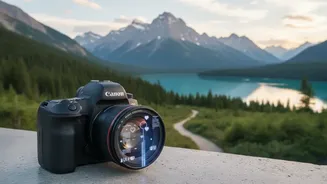
to doing things, with a marked preference for spending on experiences over material goods. This isn't just a fleeting trend; projections indicate that spending on experiences like travel, recreation, and dining is set to grow faster than spending on physical goods through 2030. This shift reflects a deeper change in values, where personal fulfillment and life stories are prized more than possessions.
Social Media as a Spending Catalyst
The desire for experiences is heavily amplified by social media. Platforms like Instagram and YouTube have become the primary channels for discovery and validation among young Indians. A trip to a trendy cafe, a music festival, or a scenic destination provides valuable social currency in the form of shareable moments. More than 60% of young consumers confirm that influencer marketing and viral trends shape their purchase decisions. The 'Instagrammability' of an experience is a significant factor, turning personal leisure into a public statement of identity and taste. This has created a powerful feedback loop: the more experiences are shared online, the greater the desire among peers to participate in similar activities.
A New Post-Pandemic Mindset
The global pandemic acted as a major catalyst for this behavioral change. Years of restrictions and uncertainty instilled a 'You Only Live Once' (YOLO) philosophy in many young people. This mindset, combined with pent-up demand, has fueled a surge in spending on travel and leisure since 2022. The focus has shifted to seizing the moment and making up for lost time. This urgency to live life to the fullest has made spending on a memorable concert or a spontaneous trip feel less like an indulgence and more like an essential part of a well-lived life.
Redefining Life's Milestones
While their parents prioritized long-term savings for assets, today's young professionals are redefining financial goals. Many are creating dedicated 'fun funds' to budget for experiences alongside their investments. For this demographic, a rich life is measured by a portfolio of memories, not just financial instruments. While daily essentials and financial commitments still account for a significant portion of their spending, discretionary income is increasingly allocated to travel and entertainment. For many, experiences feel liberating, while possessions can feel like a burden. This doesn't mean they are financially reckless; rather, they are integrating a different set of life goals into their financial planning.
Accessibility and a Market in Motion
This shift in demand has been met by a market that is making experiences more accessible than ever. The entry of major international music festivals, the growth of budget airlines, and the explosion of diverse culinary scenes in Tier 1 and Tier 2 cities are key enablers. The travel sector has seen explosive growth, with Gen Z bookings increasing dramatically. Food has also become a primary motivator for travel for a majority of young Indians. This growing ecosystem, from live event organisers to travel tech platforms, is both a response to and a driver of the trend, creating a cycle of ever-expanding options for the experience-hungry consumer.