



The Bathroom: From High-Flow to H2O-Hero
The bathroom is the single largest consumer of water in most households. Switching from a long shower, which can use 150-200 litres, to a traditional bucket bath (15-20 litres) is the most impactful change you can make. If you must shower, keep it under
five minutes. Another simple win is turning off the tap while brushing your teeth or shaving, a habit that wastes over 6 litres of water every minute. Inspect your toilet for silent leaks by adding a few drops of food colouring to the cistern; if colour appears in the bowl without flushing, you have a leak that needs fixing. A dripping faucet can waste thousands of litres a year, so immediate repairs are crucial.
The Kitchen: Smart Practices for Every Meal
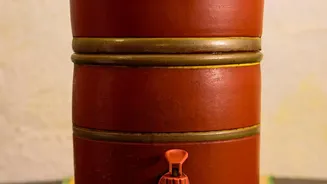
Your kitchen habits can also lead to significant water savings. Instead of letting the tap run to wash vegetables, use a bowl of water. The same applies to washing dishes; soaking pots and pans before scrubbing is far more efficient than scraping them under a running tap. If you use a dishwasher, always run it on a full load, which is often more water-efficient than handwashing. One of the biggest culprits of water waste in modern kitchens is the RO water purifier. For every litre of pure water it produces, a typical RO system rejects 2-4 litres as wastewater. Never let this go down the drain. Collect this reject water in a bucket and use it for mopping floors, cleaning, or watering non-edible plants.
Low-Cost Tech: Your Allies in Conservation
You don't need expensive renovations to make your home water-efficient. The single most effective and affordable upgrade is installing faucet aerators. These small attachments screw onto your taps and mix air with the water stream, reducing flow by up to 50% without sacrificing pressure. They are inexpensive, easy to install, and can save thousands of litres annually. For toilets, consider placing a filled one-litre plastic bottle in the cistern. This displaces water, saving one litre with every flush without affecting performance. Upgrading to a dual-flush system, which offers a half-flush for liquid waste, is another excellent long-term investment.
Laundry and Cleaning: Full Loads and Second Chances
When it comes to laundry, the golden rule is to only run the washing machine with a full load. This simple discipline drastically cuts down the number of cycles and, therefore, the amount of water and electricity consumed. When cleaning your balcony, driveway, or sidewalk, reach for a broom instead of a hose. Hosing down outdoor areas is a major source of water wastage. For tasks that require water, like mopping floors, look for opportunities to reuse. The wastewater from your RO system is perfect for this, as is the final rinse water from a semi-automatic washing machine.
Embrace Greywater: The Untapped Resource
Greywater is the relatively clean wastewater from baths, showers, washing machines, and kitchen sinks. In India, it's estimated that 30-50% of the wastewater discharged from homes is greywater. While blackwater from toilets must go to the sewer, greywater can be a valuable resource. With simple filtration—even a basic system using sand and mesh—this water can be safely used for flushing toilets, watering gardens, and cleaning floors. This practice can reduce a household's freshwater consumption by 40-60%. While a professionally installed system is ideal, you can start small by simply collecting shower water in a bucket and using it to flush the toilet.