




The Search for Silence
For years, the Indian trekking scene has been dominated by a handful of blockbuster trails. But with popularity comes a price: overcrowding, environmental strain, and a loss of the very solitude that draws people to the mountains. This has sparked a quiet
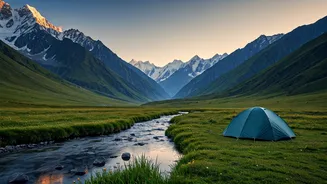
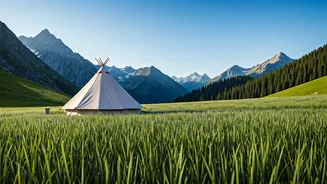
revolution among trekkers who are now actively seeking out paths less travelled. They are trading crowded campsites and commercialised routes for the whispering pines and rhododendron-filled jungles of the Lower Himalayan ranges in states like Uttarakhand and Himachal Pradesh. The goal is no longer just to conquer a peak, but to connect with nature in a more profound and sustainable way.
What Makes a Trek 'Eco-Conscious'?
This isn't just about picking up your own trash. Being an eco-conscious trekker is a philosophy rooted in the 'Leave No Trace' principles. It means making a minimal impact on the environment and a positive impact on local communities. This includes carrying back all non-biodegradable waste (including others'), using water sources responsibly, and avoiding shortcuts that cause soil erosion. Crucially, it also involves empowering the local economy by hiring local guides, staying in village homestays instead of large hotels, and purchasing local produce. It's a shift from being a tourist to being a mindful guest of the mountains.
Spotlight: The Forests Around Chopta, Uttarakhand
Nestled in the Garhwal Himalayas, the region around Chopta is a prime example of this emerging trend. While the trek to Tungnath temple is popular, the surrounding forests offer a world of quiet exploration. Trekkers are venturing on lesser-known trails through dense oak, deodar, and rhododendron forests, teeming with birdlife. Instead of rushing to the summit, they are spending days exploring the bugyals (high-altitude meadows) like Rohini Bugyal, camping responsibly, and experiencing a side of the Garhwal that remains pristine and largely untouched by commercial tourism. It's a sanctuary for those looking to experience true Himalayan wilderness.
Spotlight: The Serenity of Harsil Valley, Uttarakhand
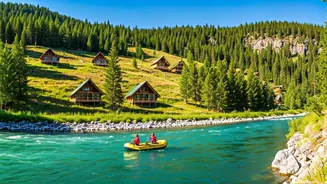
Often seen as just a pitstop on the way to Gangotri, the Harsil Valley is a destination in itself for the conscious traveller. Situated on the banks of the Bhagirathi river, this valley is a paradise of pine forests, apple orchards, and stunning mountain views. Eco-conscious trekkers use Harsil as a base to explore a network of trails that lead to remote villages and alpine lakes, far from the pilgrim rush. Treks to places like Kyarkoti Lake or Lamkhaga Pass begin here, offering a deep dive into an ecosystem that feels worlds away from the mainstream trekking circuit.
Your Responsible Trekker's Checklist
Ready to explore these silent valleys? Keep these essentials in mind. First, hire a registered local guide who knows the terrain and local customs. Second, pack a reusable water bottle and a water filter or purification tablets to avoid buying single-use plastic. Third, choose biodegradable soap and toothpaste. Fourth, carry a dedicated 'trash bag' to bring all your waste back to the city for proper disposal. Finally, dress in layers with muted colours to blend in with nature and improve your chances of spotting wildlife without disturbing it. A little preparation goes a long way in preserving these fragile ecosystems for generations to come.