



The Science Simplified: Solid vs. Liquid
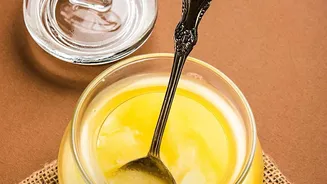
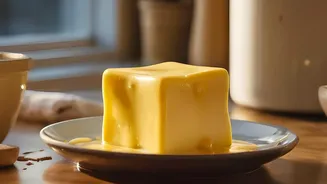
At its core, the difference between saturated and unsaturated fats lies in their chemical structure. Saturated fats have no double bonds in their carbon chains, which allows them to pack together tightly. This is why they are typically solid at room temperature—think
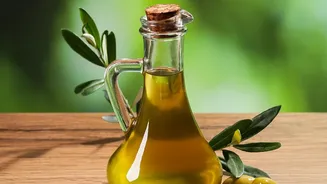
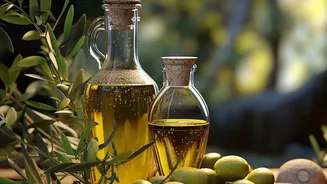
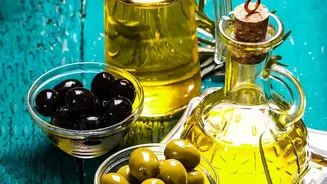
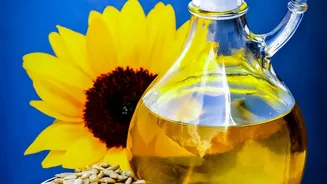
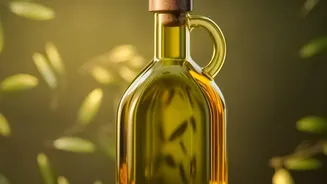
of butter, ghee, or coconut oil. On the other hand, unsaturated fats have at least one double bond. These bonds create 'kinks' in the molecules, preventing them from packing closely. This is why they are usually liquid at room temperature. This category includes most vegetable oils, like olive, sunflower, and canola oil. This fundamental difference in structure doesn't just determine if a fat is solid or liquid; it also influences how it affects your health.
A Quick Health Check: The Good and the Not-So-Bad
For decades, fats were broadly demonised, but nutrition science now shows it's more about the type of fat you consume. Unsaturated fats are generally considered the 'good guys'. They come in two main forms: monounsaturated (found in olive oil, avocados, and nuts) and polyunsaturated (found in fatty fish like salmon, plus flaxseeds and walnuts). These fats can have a positive effect on cholesterol levels, helping to lower 'bad' LDL cholesterol and reduce the risk of heart disease. Saturated fats, found primarily in animal products like meat and full-fat dairy, as well as tropical oils, have a more complex reputation. While they are not the villains they were once thought to be, major health organisations recommend consuming them in moderation, as high intake can contribute to increased LDL cholesterol levels. The one type to truly avoid is industrially produced trans fats, often found in processed and fried foods.
In the Kitchen with Unsaturated Fats
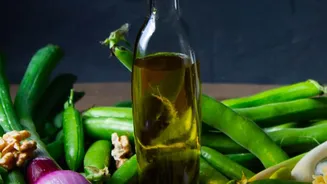
Because they are liquid at room temperature, unsaturated fats are incredibly versatile for everyday cooking. Extra virgin olive oil is perfect for salad dressings and low- to medium-heat sautéing, imparting flavour and health benefits. For cooking at higher temperatures, like searing or roasting, oils with a higher smoke point are better choices. Refined olive oil, avocado oil, and canola oil are excellent options here. For instance, avocado oil has a very high smoke point, making it suitable for most cooking methods. Polyunsaturated fats, like those in flaxseed and walnut oil, are more delicate and are best used in applications without heat, such as drizzling over a finished dish or whisking into a vinaigrette to preserve their nutritional qualities.
The Role of Saturated Fats in Your Cooking
Saturated fats certainly have their place in the kitchen. Their solid state is crucial for baking, providing structure and texture to pastries and cakes that you can't get from liquid oils. Butter, for example, adds irreplaceable flavour and flakiness. Ghee, or clarified butter, has a high smoke point, making it a traditional choice for high-heat cooking and frying in many Indian dishes. Coconut oil also offers a distinct flavour in certain curries and baked goods. The key is not to eliminate these fats entirely but to use them thoughtfully. Think of them as ingredients to be used for specific culinary purposes and flavours, rather than your go-to, all-purpose cooking fat. Balancing their use with healthier unsaturated fats is the smartest approach.
Simple Swaps for a Healthier Kitchen
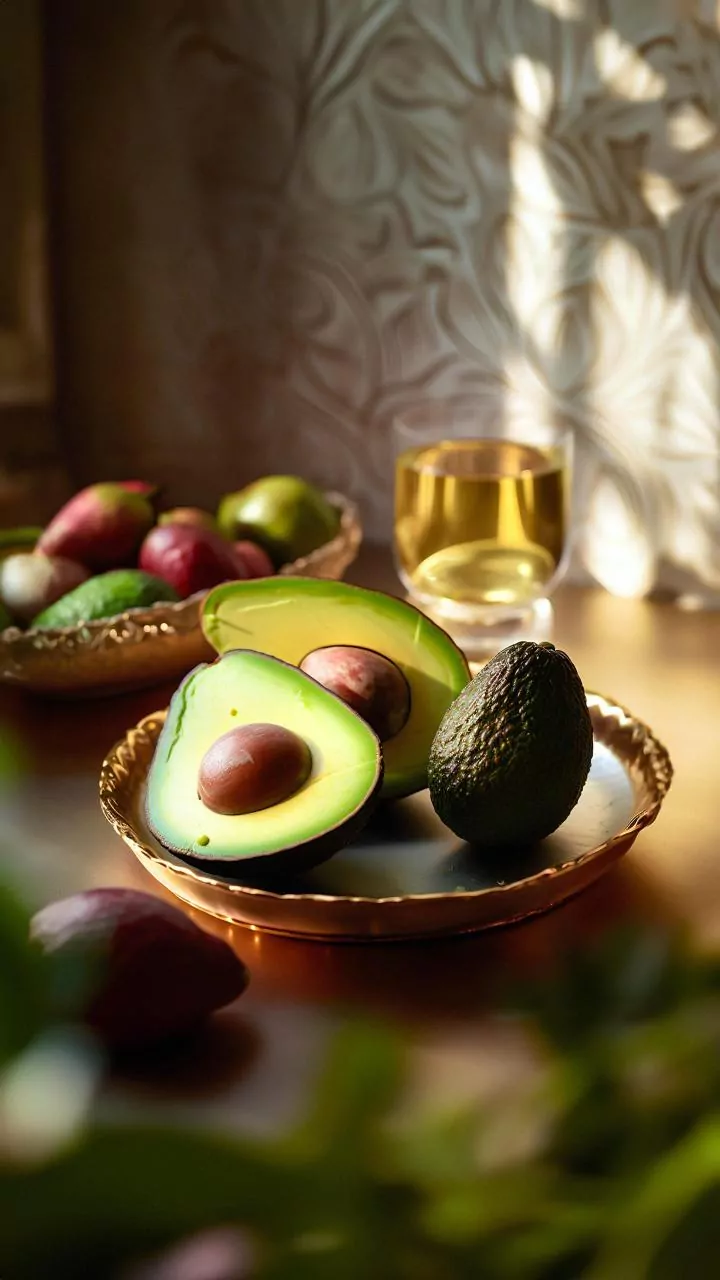
Making smarter choices doesn't require a complete overhaul of your diet. Small, consistent swaps can make a big difference over time. Try mashing an avocado on your toast instead of spreading butter. When sautéing vegetables, reach for olive oil or avocado oil instead of coconut oil or butter. For your salad dressings, a base of extra virgin olive oil or flaxseed oil provides a healthy dose of unsaturated fats. When you're baking, consider recipes that use oil or fruit purees instead of solid fats for some of your treats. By understanding which fats are saturated and which are unsaturated, you can start making these simple, intuitive switches without sacrificing flavour.