





The Scale of India's Salt Problem
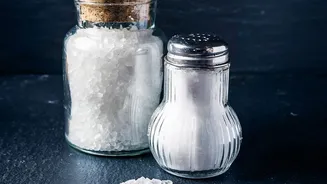
Hypertension, or high blood pressure, is a silent but growing health crisis in India, affecting an estimated one in four adults. A primary driver of this trend is hiding in plain sight: salt. Current estimates show that average salt consumption in India is between
8 to 11 grams per day, nearly double the World Health Organization's recommended limit of 5 grams. This excessive sodium intake is a key factor behind elevated blood pressure, which in turn significantly increases the risk for cardiovascular diseases like heart attacks and stroke—one of the country's leading causes of death. Since nearly 80% of this sodium comes from salt added during cooking at home, experts believe that household-level changes can have the most significant public health impact.
What Exactly is a Lower-Sodium Salt?
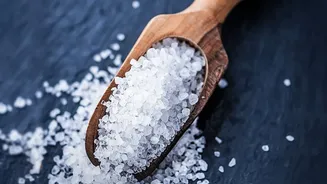
The proposed solution is not simply to use less salt, but to use a different kind of salt. Lower-sodium salt substitutes (LSSS) are reformulated products that look and taste very similar to regular table salt. They work by replacing a portion of sodium chloride with another mineral, most commonly potassium chloride. A typical composition is about 70-75% sodium chloride and 25-30% potassium chloride. This simple swap achieves two important things simultaneously: it reduces the intake of harmful sodium while increasing the intake of potassium, a mineral known to help counteract sodium's effects and lower blood pressure on its own.
The Evidence: Lowering Blood Pressure
The proposal from Indian health experts is backed by a growing body of robust scientific evidence. Multiple meta-analyses and randomized controlled trials have confirmed that replacing regular salt with a potassium-enriched substitute effectively lowers blood pressure. A 2021 trial conducted in rural India involving adults with hypertension found that using a low-sodium, high-potassium salt resulted in a significant 4.6 mmHg reduction in systolic blood pressure over three months. Experts note that this dual action of cutting sodium and boosting potassium is what makes the intervention so effective, with some research suggesting up to 75% of the blood pressure benefit comes from the added potassium. Professor Ambuj Roy of AIIMS, New Delhi, has even called it a 'dietary vaccine' for hypertension because it offers passive, round-the-clock protection without requiring drastic changes to diet.
The Ultimate Goal: Reducing Stroke and Mortality
Lowering blood pressure is a crucial step, but the ultimate goal is to prevent life-threatening events. The most compelling evidence comes from the landmark Salt Substitute and Stroke Study (SSaSS). This massive trial, which followed nearly 21,000 people over almost five years, provided definitive proof of the benefits. The results were striking: participants using the salt substitute had a 14% lower risk of stroke, a 13% lower risk of major cardiovascular events (like heart attacks), and a 12% lower risk of premature death from any cause compared to those using regular salt. These figures have led Indian medical experts to conclude that making the switch could be as effective as some first-line medications for preventing cardiovascular disease.
Important Safety Considerations
While the benefits are clear for the general population, lower-sodium salt substitutes are not for everyone. Because they contain added potassium, they can be dangerous for individuals whose bodies cannot regulate potassium effectively. This primarily includes people with chronic kidney disease, especially in advanced stages, or those on certain medications like ACE inhibitors or specific diuretics for high blood pressure. In these individuals, excess potassium (hyperkalemia) can build up to dangerous levels and affect heart rhythm. Therefore, experts stress that anyone with known kidney problems, heart failure, or who is taking medications that affect potassium levels should consult their doctor before making a switch. For the vast majority of the population, however, the SSaSS trial and other studies have found no increased risk of hyperkalemia.