




The Heart of the Matter: Cardiovascular Impact
Both aerobics and trampolining are fantastic for cardiovascular health. Any aerobic exercise works by increasing your heart rate and your body's oxygen consumption. This sustained effort strengthens the heart muscle, improves circulation, and can help
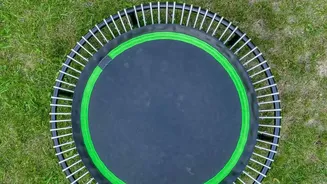
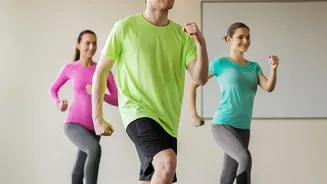
lower blood pressure over time. Aerobics, with its rhythmic and continuous movements, provides a steady, structured workout that elevates heart rate consistently. Trampolining, also known as rebounding, achieves the same goal through dynamic bouncing. In fact, a landmark 1980 NASA study found that rebounding was significantly more efficient than jogging at similar levels of oxygen consumption, suggesting 10 minutes of bouncing could offer the same cardiovascular benefits as a 30-minute run. Both activities train your heart to pump blood more effectively, boosting your overall endurance.
A Question of Impact: Joint Health
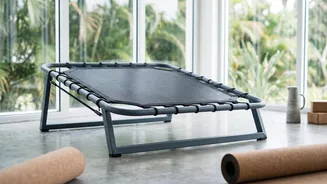
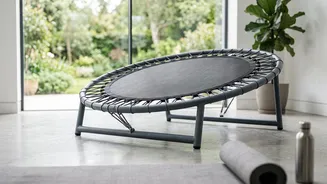
This is where the two activities diverge significantly. Traditional high-impact aerobics, much like running, involves repetitive force on your joints, particularly the knees, hips, and ankles. While effective, this can lead to strain or aggravate existing issues for some people. Trampolining offers a compelling low-impact alternative. The elastic surface of a mini-trampoline absorbs a huge percentage of the shock—some studies suggest up to 80%—before it reaches your joints. This makes rebounding an excellent choice for individuals with joint sensitivity, those recovering from certain injuries, or anyone seeking a gentler yet vigorous workout. It allows for high-intensity effort without the associated wear and tear.
The Calorie Burn Breakdown
When it comes to burning calories, the intensity of your workout is the most critical factor. Both aerobics and trampolining can be highly effective. Sustained, hour-long aerobics classes have a reputation for high calorie expenditure. However, trampolining’s efficiency means you can potentially burn a similar number of calories in a shorter amount of time through high-intensity bursts. One small test found that a 30-minute rebounding session burned slightly more calories than a 30-minute run. Other research suggests that just ten minutes of bouncing can torch as much fat as 30 minutes of running. Ultimately, you can get a great calorie burn from either activity; the choice may come down to whether you prefer a longer, steady-state session or a shorter, more intense one.
Beyond the Bounce: Extra Perks of Trampolining
Trampolining comes with a unique set of benefits thanks to its distinct vertical movement. One of the most cited is lymphatic drainage. The system that clears cellular waste and toxins from your body has no pump of its own and relies on movement; the rhythmic bouncing on a trampoline is exceptionally effective at stimulating this flow. The unstable surface also forces your body to constantly make micro-adjustments to stay upright, which significantly improves balance and coordination. Furthermore, this instability engages hundreds of muscles simultaneously, including deep core and pelvic floor muscles that are often missed in other workouts.
Accessibility, Cost, and Fun Factor
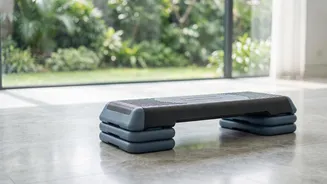
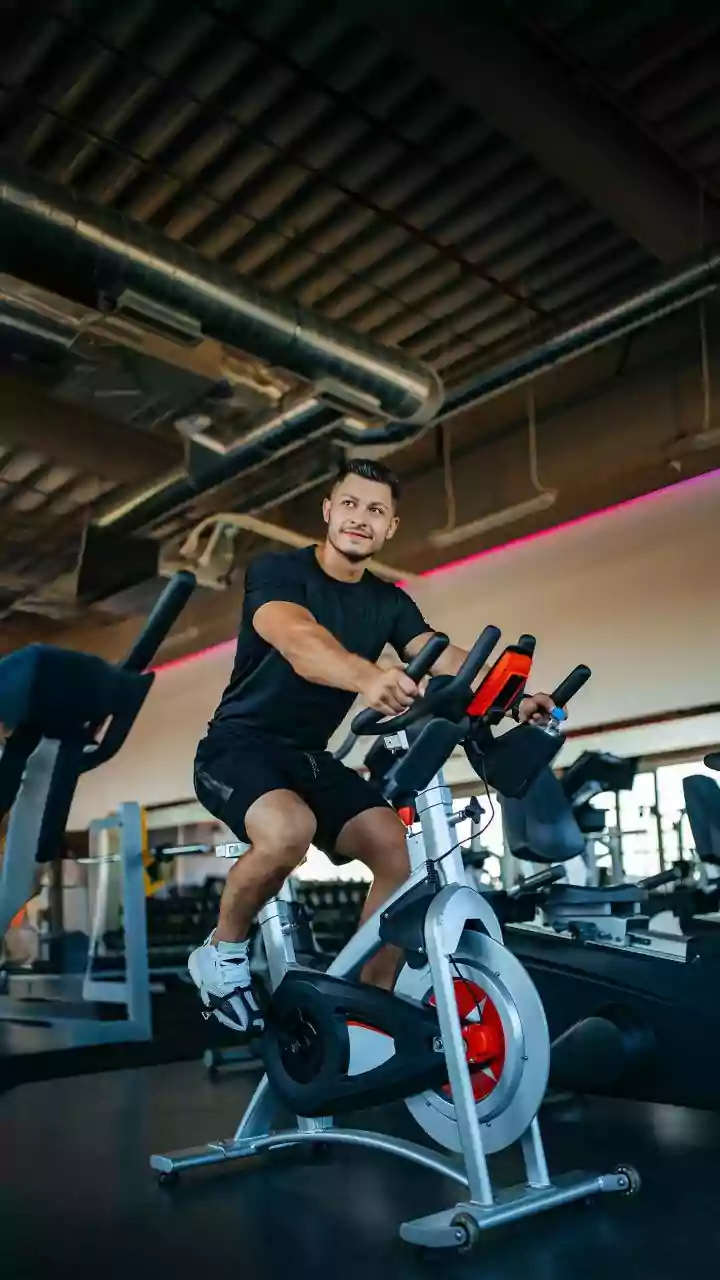
Aerobics has the advantage of being widely accessible, with classes offered at most gyms and community centres, providing a structured environment with professional guidance. It requires minimal equipment beyond supportive footwear. Trampolining for fitness is typically done at home on a personal rebounder, which involves an initial investment but offers supreme convenience. While some boutique studios offer rebounding classes, at-home use is more common. A crucial, often overlooked, factor is enjoyment. Many find trampolining inherently fun, which is a powerful motivator for consistency. The best workout is always the one you are most likely to do regularly, and for many, the joy of bouncing gives trampolining a clear edge.