







For Trekkers in Mumbai and Pune
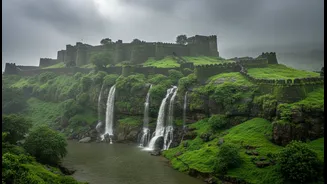
The Western Ghats, particularly the stretches near Mumbai and Pune, are dotted with magnificent forts that come alive during the rains. Once strategic military strongholds, these forts today are beloved trekking destinations. The monsoon transforms their
rocky trails with cascading water, lush foliage, and dramatic cloud-covered vistas, offering an experience that is both adventurous and serene. Their accessibility from both cities makes them ideal for a quick, rejuvenating weekend escape.
Lohagad Fort: The Iron Fortress
Aptly named the 'Iron Fort', Lohagad is one of the most popular and accessible monsoon treks in Maharashtra. Designated a UNESCO World Heritage site, it holds immense historical value, having served the Satavahana, Mughal, and Maratha empires. During the monsoon, the trail becomes a beautiful walk through mist and mini-waterfalls. The well-laid stone steps make it an easy climb, suitable for beginners and families. The highlight is the 'Vinchu Kata' or Scorpion's Tail, a long, fortified ridge offering panoramic views of the Pawna reservoir and the twin Visapur fort. Its rich past and stunning monsoon beauty make a compelling case for its preservation.
Visapur Fort: The Waterfall Trail
Standing taller than its twin, Lohagad, Visapur Fort offers a slightly more rugged and adventurous trek. It’s particularly famous for its monsoon trail where trekkers often find themselves climbing up a path with water gushing over the steps, creating a unique waterfall staircase experience. The fort's plateau is vast, featuring ancient caves, water cisterns, and the ruins of a large Peshwa palace. While Lohagad is known for its well-preserved structure, Visapur provides a rawer feel of history reclaimed by nature, making it a rewarding climb for those seeking a bit more challenge. Given their proximity, many trekkers visit both forts over a weekend.
Korigad Fort: The Lakeside Vista
Korigad is another beginner-friendly trek near Lonavala, perfect for a one-day monsoon trip. The climb is relatively easy, taking about an hour to reach the top. The main attraction is the vast fort plateau, which features two large ponds that fill up beautifully in the rains and an intact perimeter wall stretching for about two kilometres. Walking along these ramparts provides breathtaking views of the Aamby Valley below. The fort still houses several old cannons, silent reminders of its past glory under Shivaji Maharaj. Its serene atmosphere and panoramic views make it a fort worth visiting and protecting.
For Explorers in Bengaluru
While Maharashtra has its Sahyadri forts, the region around Bengaluru is famed for its majestic granite monoliths, many of which are topped with ancient fortifications. These rocky hills, or 'betta's, offer a different kind of trekking experience. The monsoon adds a layer of challenge with slippery rock surfaces but rewards climbers with cool weather and spectacular, clear views of the surrounding plains once the rain subsides.
Savandurga: Asia's Monolithic Giant
Recognised as one of Asia's largest monolith hills, Savandurga is an imposing sight. It consists of two peaks, Karigudda (black hill) and Biligudda (white hill), with the latter being the more popular trekking route. The trek is a steep and bare rock climb, making it a challenging adventure that requires good footwear and caution, especially post-rainfall when the surface can be extremely slippery. In fact, many guides advise against trekking during heavy monsoons for safety reasons. The ruins of a Vijayanagara-era fort await at the top, offering a glimpse into its history as the 'fort of death'. The panoramic views of the surrounding landscape and Manchanabele reservoir are simply unparalleled.
Makalidurga: The Hill with a Railway Start
Makalidurga offers a unique trekking experience that often begins with a walk along a railway track at the base of the hill. Located about 60 km from Bengaluru, this hill fort is steeped in mythology and history, with a temple dedicated to Lord Shiva at its summit. The trail is a moderate climb through shrubbery and boulders, clearly marked to guide trekkers. While the trek can be done year-round, it's best to avoid it during heavy rains as the rocky patches can become treacherous. The summit rewards you with views of a nearby lake shaped like the South American continent and the quiet satisfaction of conquering a historic peak.
Travel Smart and Responsibly
Monsoon treks are incredibly rewarding but demand respect for nature and history. Always wear shoes with excellent grip, as trails and stone steps can be very slippery. Pack a rain jacket or poncho, and keep your electronics in waterproof bags. It's wise to start early to avoid afternoon showers and large crowds. Most importantly, these forts are invaluable parts of our heritage. Stick to the marked trails, do not litter, and avoid damaging any structures. By being responsible tourists, we ensure these magnificent monsoon escapes can be cherished for generations to come.