



Tyres: Your Only Grip on Wet Roads
Your tyres are the single most important safety feature during the monsoon. On wet roads, their ability to grip the surface is significantly reduced. Before you drive, inspect your tyre tread. For safe monsoon driving, experts suggest a minimum tread depth
of 3mm. Worn-out tyres are a major cause of accidents on slippery roads as they can easily lead to hydroplaning, where the tyre loses contact with the road and skims over a layer of water. Also, check the tyre pressure regularly, as incorrect pressure can reduce grip and increase the risk of skidding. Don't forget to check the spare tyre; you don't want to discover it's flat when you're stuck on a rainy highway.
Wipers and Windscreen: See and Be Seen
Clear vision is non-negotiable in a downpour. Wiper blades are often overlooked until you desperately need them. The intense Indian summer can cause the rubber to harden and crack. If your wipers leave streaks, make a squeaking noise, or skip across the glass, it's time to replace them. This is a small investment for a massive safety return. Also, ensure your windshield washer fluid reservoir is full. Use a proper washer fluid, not just plain water, as it helps clean off the oily, muddy spray kicked up by other vehicles, which can quickly obscure your vision.
Brakes: Your Ultimate Safety Net
Brakes need to work much harder in the rain, and wet roads can significantly increase your vehicle's stopping distance. Water on brake pads can reduce their effectiveness. Before the season gets into full swing, it's wise to have your brake system inspected, paying attention to the brake pads, discs, and brake fluid. If you notice any squealing sounds, or if the brake pedal feels spongy or soft, get it checked by a professional immediately. Maintaining a greater distance from the vehicle in front of you is also a crucial habit to adopt during the monsoon.
Lights and Electrics: Stay Visible and Powered
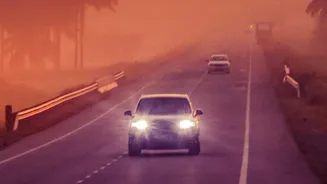
In heavy rain and fog, visibility drops dramatically for everyone. Your car's lights are essential for both seeing the road ahead and for other drivers to see you. Walk around your car and check that all lights are working: headlights (both low and high beam), tail lights, brake lights, and turn signals. Driving with headlights on a low beam setting, even during the day, can make you more visible to others without blinding oncoming traffic. The monsoon's humidity and potential for waterlogging also pose a risk to your car's electrical systems. Make sure your battery terminals are clean, secure, and free of corrosion.
The Defogger: Clearing the Air Inside
The high humidity during the monsoon means your car's windows can fog up quickly, both inside and out. This happens due to the temperature difference between the car's interior and the outside air. Blasting the fan directly on the glass can sometimes make it worse. The most effective solution is to use your car's air conditioning system along with the defogger setting. The AC helps remove moisture from the cabin air, clearing the windshield much faster. Make sure your front and rear defoggers are working properly before you get caught in a situation with zero visibility.
Build a Monsoon Emergency Kit
Even with the best preparation, unexpected issues can arise. Being stranded in a downpour is frustrating and can be dangerous. It's wise to keep a monsoon-specific emergency kit in your car. This doesn't have to be elaborate. Key items include a torch with extra batteries, a tow rope, basic tools, and a first-aid kit. Keeping a few bottles of water, non-perishable snacks, and a spare towel can also make a long wait much more comfortable. A portable phone charger or power bank is another essential item to ensure you can call for help if needed.