




Understanding the Glycemic Index
Before diving into the benefits of makhana, it's important to understand the glycemic index (GI). The GI is a scale from 0 to 100 that ranks carbohydrate-containing foods by how much they raise blood sugar levels after being eaten. Foods with a high GI are
digested and absorbed quickly, causing a rapid spike in blood sugar. In contrast, low-GI foods are broken down more slowly, leading to a gradual and more stable release of glucose into the bloodstream. This slow release is crucial for sustained energy and is particularly beneficial for individuals managing diabetes or simply looking to avoid the energy crashes that follow sugary snacks.
Makhana's Low-GI Advantage
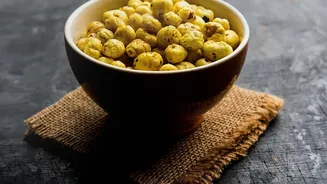
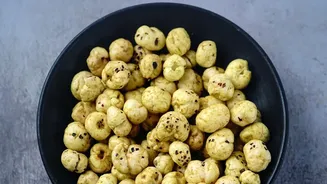
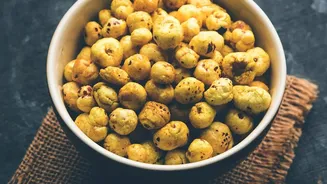
Makhana shines as a snack choice primarily due to its low glycemic index. Sources place its GI value somewhere between the low 30s and 55, firmly in the 'low' category. This means that when you snack on a bowl of roasted makhana, the carbohydrates are released slowly into your system. This prevents the sudden surge in blood sugar and the subsequent insulin spike that high-GI snacks like chips or biscuits can cause. This quality makes makhana an excellent and safe snack for people with type 2 diabetes or prediabetes, as it helps in managing blood glucose levels effectively.
A Nutritional Powerhouse
Beyond its low-GI profile, makhana is packed with a host of other nutrients that make it a superior snack. It is naturally low in calories and fat, cholesterol-free, and remarkably high in protein and fibre. A 100-gram serving contains around 9.7 grams of protein and about 14.5 grams of dietary fibre. The high fibre content aids digestion, promotes a feeling of fullness (satiety), which helps in weight management by preventing overeating. Furthermore, makhana is a good source of essential minerals like magnesium, potassium, and phosphorus. Magnesium is vital for muscle function and heart health, while potassium helps in regulating blood pressure.
Rich in Antioxidants
Makhana is also rich in antioxidants, which are compounds that fight harmful free radicals in the body and prevent oxidative stress. This oxidative stress is linked to various chronic conditions, including heart disease and type 2 diabetes. Makhana contains specific antioxidants like gallic acid, ellagic acid, and kaempferol, which have anti-inflammatory properties. Regular consumption can help combat chronic inflammation, which is a key factor in many lifestyle diseases.
The Best Way to Enjoy Makhana
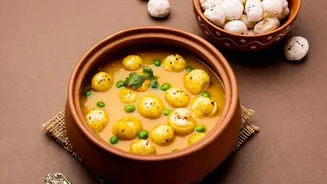
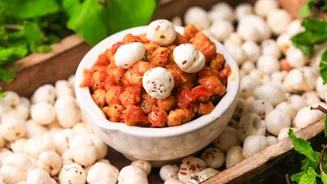
How you prepare makhana is key to retaining its health benefits. While deep-fried and heavily salted versions are available, the healthiest way to consume them is by dry roasting or lightly roasting them in a teaspoon of ghee or olive oil until they are crisp. You can then season them with a pinch of salt and other spices like turmeric, chaat masala, or black pepper for a flavourful, guilt free snack. They can also be added to curries, made into a healthy bhel, or even ground into flour for rotis, making them a versatile ingredient in a health conscious kitchen.