



A Response to Vanishing Greenery
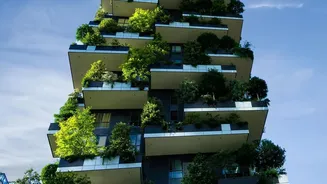
Across India's rapidly expanding cities, the loss of green cover is a growing concern. Parks, wetlands, and open fields are giving way to construction, leaving residents with less space to connect with nature. This reality has spurred a movement not in public
squares, but in private homes. Gardeners are consciously shifting from purely ornamental plants to species that actively support local wildlife. The goal is no longer just a pretty view, but a living, breathing habitat that brings a slice of the wild back into the urban landscape. This trend, sometimes called 'rewilding' on a small scale, is about creating functional ecosystems that benefit both people and the creatures they share the city with.
More Than Just a Garden
Creating a garden for birds and butterflies is about more than personal enjoyment; it's an act of ecological restoration. Each balcony or terrace filled with the right native plants becomes a crucial 'stepping stone' for pollinators navigating the city. These small green patches form a connected corridor, providing food and shelter for species that would otherwise struggle to survive in a fragmented urban environment. These gardens support biodiversity, which is essential for healthy ecosystems that provide clean air and water. By attracting insects, they also attract the birds that feed on them, re-establishing a small but vital link in the local food chain.
Plants to Attract Butterflies
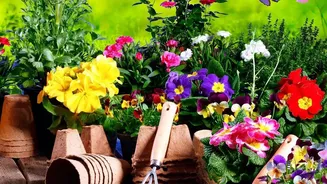
To create a butterfly haven, you need two types of plants: host plants for caterpillars and nectar plants for adult butterflies. Fortunately, many beautiful and easy-to-grow varieties fit the bill. Curry Leaf (Murraya koenigii) and Lemon plants are excellent hosts for species like the Common Mormon butterfly. For nectar, butterflies are drawn to clusters of bright flowers. Lantana, with its multicoloured bunches, is a firm favourite. Other great choices include Ixora, with its star-shaped blooms, Marigold, Pentas, and the ever-reliable Hibiscus, whose large, open flowers are a welcome sight for many pollinator species.
Welcoming Your Feathered Friends
Attracting birds involves providing food, water, and shelter. Many of the same flowering plants that draw butterflies will also attract birds, either for their nectar or the insects they harbour. Native hibiscus and Bottlebrush are excellent examples. To provide a more direct food source, consider planting fruit-bearing shrubs and trees if you have the space. Species like Guava, Jamun, and Mulberry are highly effective. Even small grains like bajra and jowar can be grown in containers to attract seed-eating birds. To make them feel truly at home, add a shallow bowl of water for drinking and bathing, and ensure your garden has some dense foliage where they can safely rest and nest.
Getting Started on Your Urban Oasis
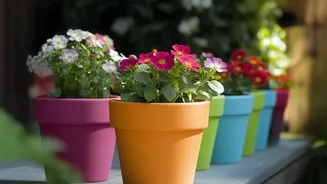
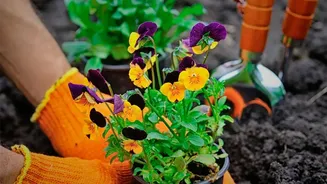
Starting your own wildlife-friendly garden is simpler than it sounds. Begin by observing your space: how much sunlight does it get? This will determine which plants will thrive. Favour native species, as they are best adapted to the local climate and wildlife. It's also crucial to avoid chemical pesticides, which can harm the very creatures you're trying to attract. A wildlife-friendly garden is often a little 'messier' than a manicured one. Allowing leaves to accumulate and some plants to go to seed provides food and habitat for insects. You don't need a huge terrace; even a few pots on a windowsill with the right plants can make a world of difference.