
An Unprecedented Mission Architecture
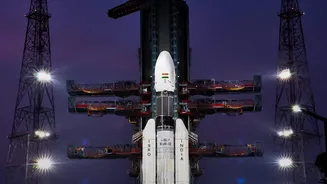
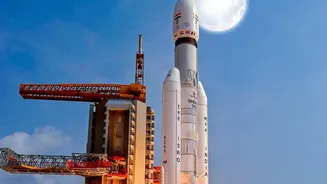
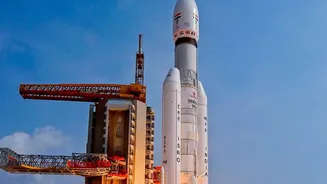
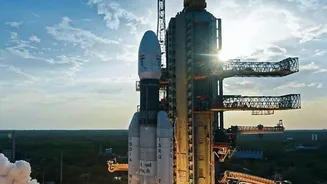
Chandrayaan-4 is not a single spacecraft but a complex, five-module mission that requires two separate launches using India's powerful LVM3 rocket. This dual-launch strategy is necessary because the combined weight of all the components is too heavy for
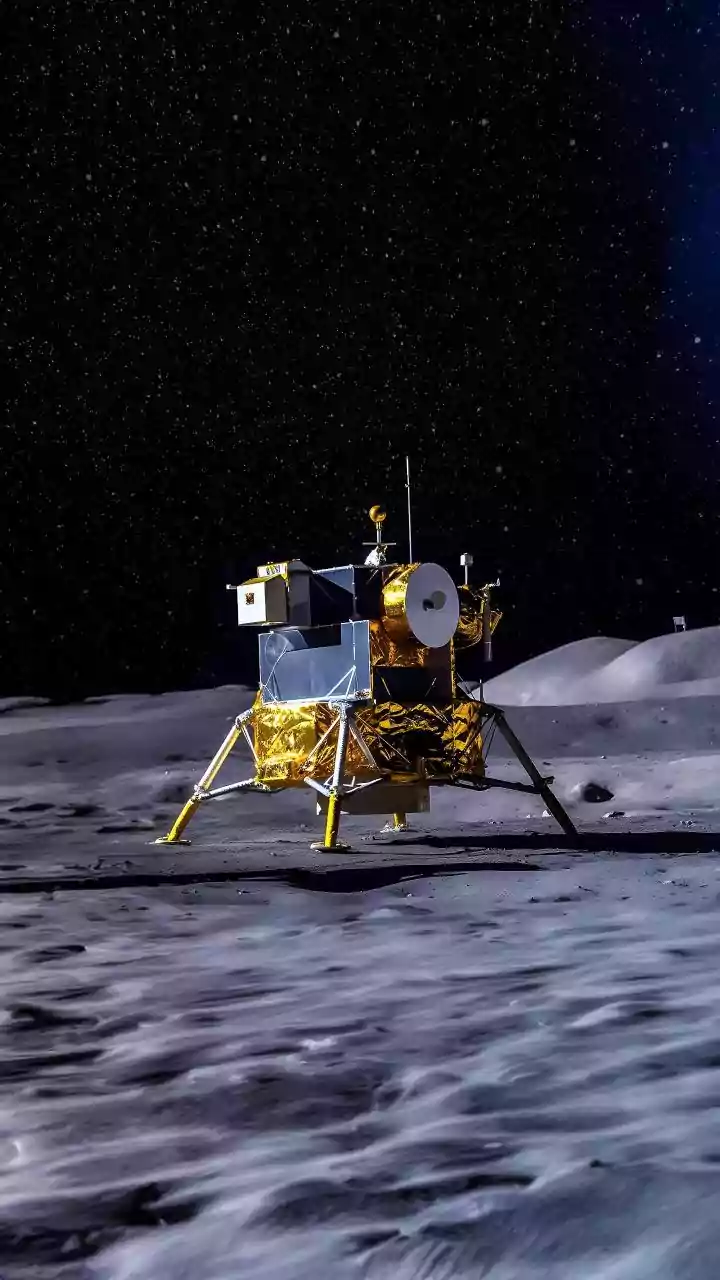
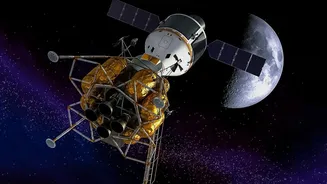
one rocket. The mission consists of a Propulsion Module, a Lander (Descender) Module, an Ascender Module, a Transfer Module, and a Re-entry Module. These modules will be launched separately and then dock in Earth's orbit—a crucial manoeuvre that ISRO has been practising with its SPADEX experiment—before they begin their journey to the Moon.
The Search for Lunar Water
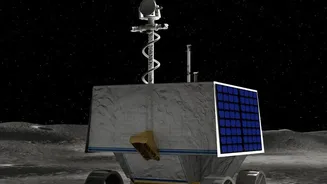
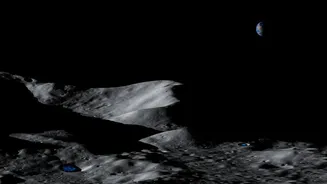
The primary goal is to bring back samples, including potential water ice, from the permanently shadowed regions of the lunar south pole. This area is of immense scientific interest because it may hold frozen water that could be used for drinking, creating breathable oxygen, or even producing rocket fuel for future missions. Before Chandrayaan-4, the LUPEX mission—a joint effort between ISRO and Japan's JAXA—will survey the area with a rover to identify the best locations to find these water resources. Chandrayaan-4 will then target these scientifically valuable sites for sample collection.
Collecting and Drilling on the Moon
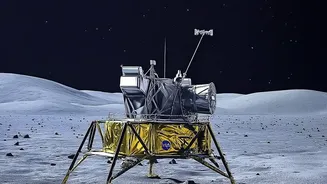
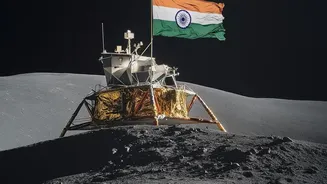
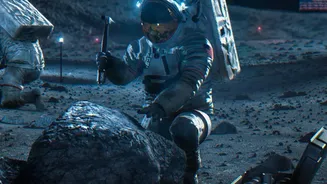
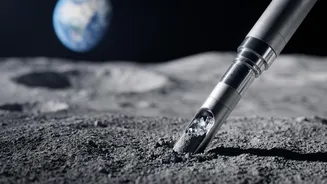
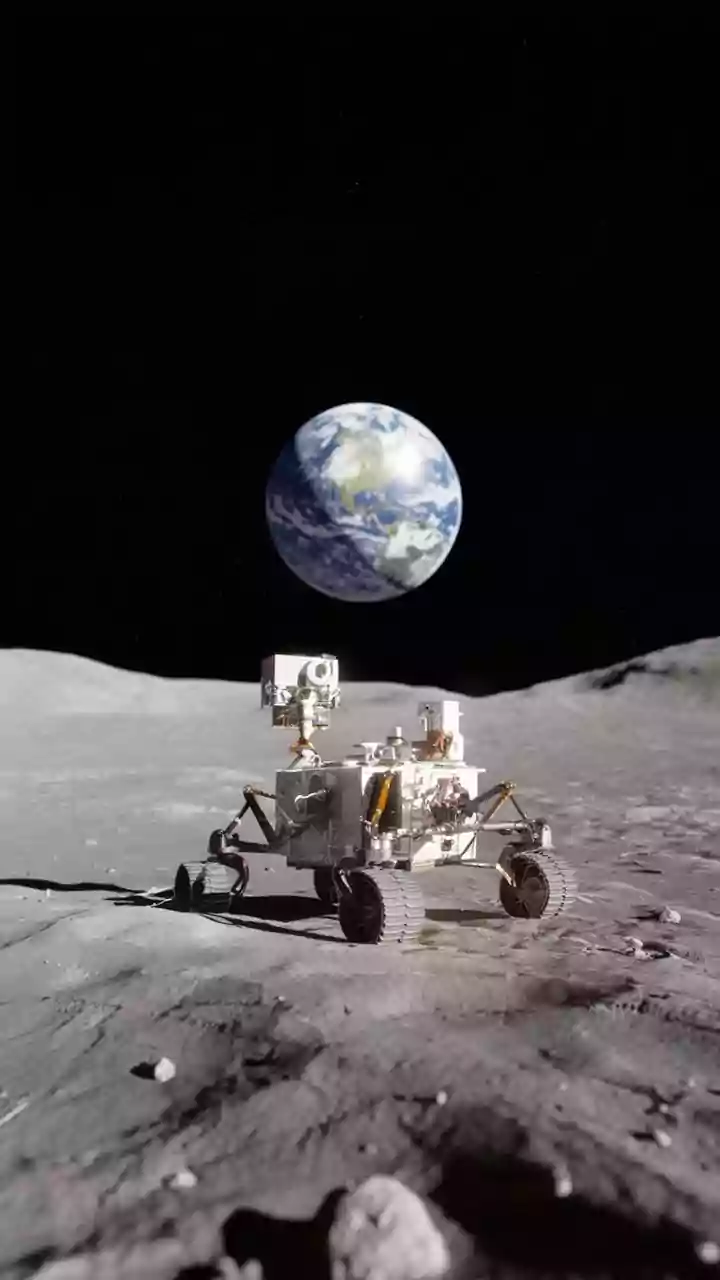
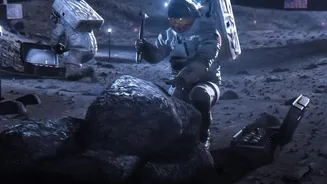
Once the lander touches down safely near the Moon's south pole, the collection process begins. A robotic arm attached to the lander will scoop up surface soil, or regolith. In addition, a drilling mechanism is designed to collect subsurface samples by penetrating up to two meters deep. This is vital because any water ice is likely to be found beneath the surface, protected from the harsh lunar environment. The mission aims to collect roughly 2-3 kilograms of this precious material.
Cryogenic Storage: The Key Challenge
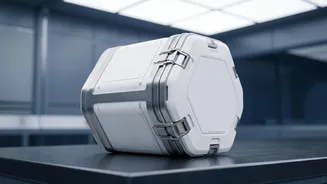
The headline feature of the mission is its ability to handle volatile substances like water ice. If exposed to the vacuum of space or the heat of a return journey, this ice would instantly turn into gas and be lost. To prevent this, the collected samples will be transferred into a special, hermetically sealed cryogenic container. This advanced chamber is designed to maintain temperatures below -150°C, effectively keeping the ice frozen and preserving its pristine, unaltered state for the long journey back to Earth. The samples will be sealed inside the Ascender Module, ready for the next phase.
The Complex Return Journey
Getting the samples off the Moon is a mission in itself. The Ascender Module will launch from the lunar surface, using the lander as a launchpad, and rendezvous with the Transfer and Re-entry modules waiting in lunar orbit. This will be another first for ISRO: an automated docking in lunar orbit. Once docked, the sample container will be transferred to the Re-entry Module. The Transfer Module will then fire its engines, propelling the Re-entry Module on a path back to Earth. As it approaches, the Re-entry Module will separate, perform a high-speed atmospheric re-entry, and land on Earth, delivering its cargo to eagerly waiting scientists.