






What Exactly Is Infrared Heat?
Unlike a traditional sauna that heats the air around you, infrared therapy uses specific wavelengths of light to heat your body directly. This light, which is invisible to the naked eye but we feel as warmth, is divided into near-, mid-, and far-infrared.
Each type penetrates the skin to different depths, allowing it to work at a cellular level. The key is that it raises your core body temperature and boosts circulation without the oppressively hot air of conventional saunas, creating a more comfortable and targeted experience. This process stimulates your cells' mitochondria, which are like tiny power plants, to work more efficiently and kickstart healing and regeneration processes.
A Deeper Glow for Your Skin
The promise of smoother, more radiant skin is a major draw for infrared therapy. The science points to a few key mechanisms. Studies have shown that infrared radiation can stimulate fibroblasts, the cells responsible for producing collagen and elastin. Collagen is the protein that gives skin its firmness and structure. As we age, production slows down, leading to fine lines and wrinkles. By encouraging new collagen and elastin synthesis, regular infrared sessions may improve skin texture, roughness, and elasticity over time. One study noted that participants saw improvements in skin smoothness and clarity with consistent use. The increased circulation from the heat also delivers more oxygen and nutrients to the skin, which can contribute to a healthier, more vibrant complexion.
Soothing Sore Muscles and Aiding Recovery
For athletes and fitness enthusiasts, quick recovery is crucial. This is where infrared therapy shows significant promise for deep muscle benefits. The penetrating heat helps reduce delayed onset muscle soreness (DOMS), the familiar ache that sets in a day or two after an intense workout. Research suggests that infrared sauna use after exercise can help reduce muscle soreness and improve perceived recovery. The heat boosts blood flow to tired muscles, which can accelerate the removal of metabolic waste products and deliver oxygen and nutrients needed for repair. Studies have found that this therapy can help athletes maintain explosive power and recover strength faster, potentially by reducing exercise-induced inflammation and oxidative stress.
Common Ways to Use Infrared Therapy
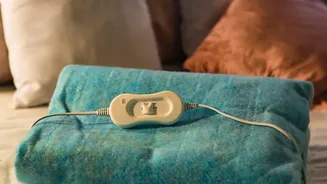
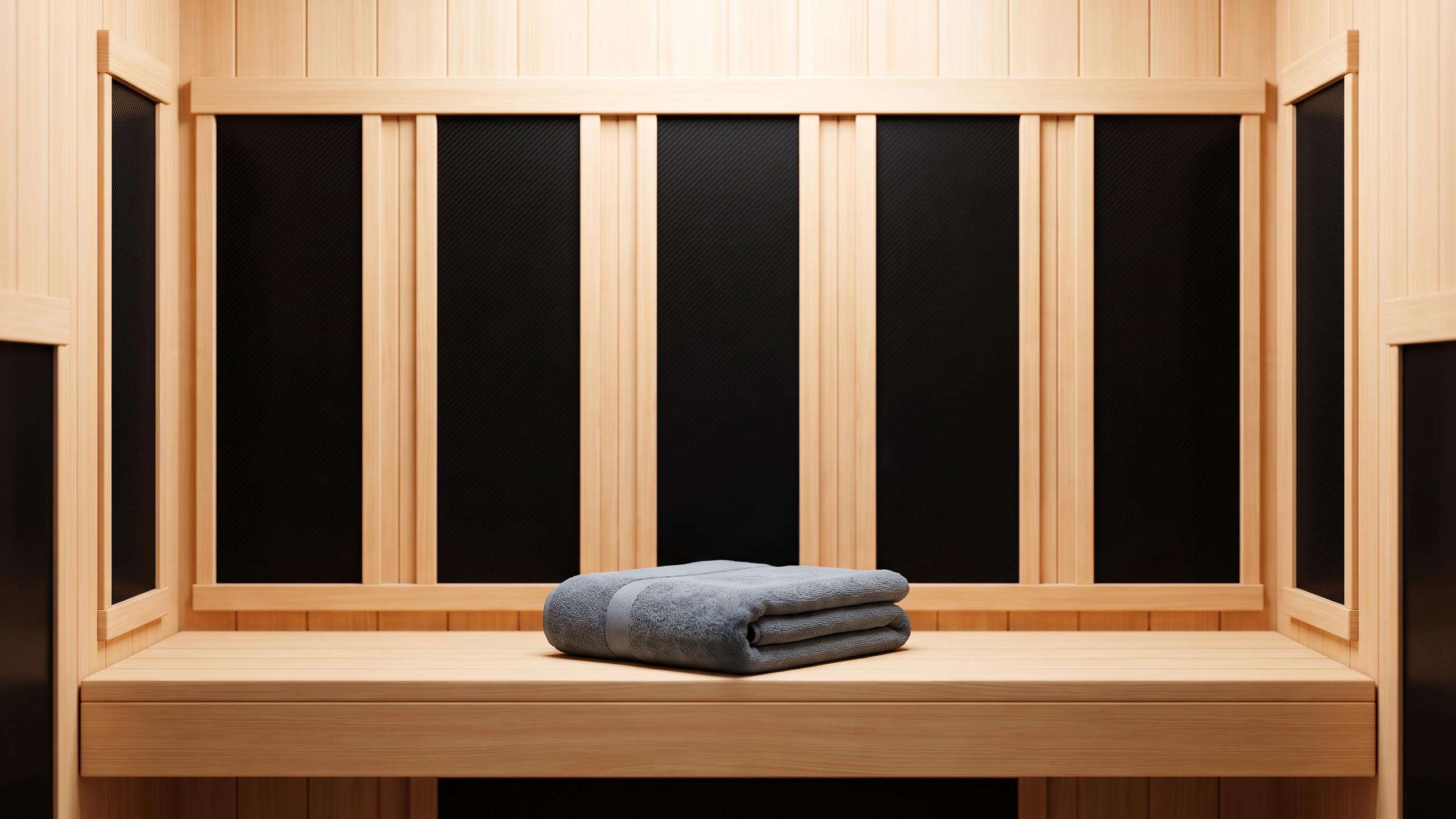
Experiencing infrared therapy is more accessible than ever, with several common methods available. The most popular is the infrared sauna, which allows for a full-body immersive experience. These saunas use panels to emit infrared waves. Another option is a targeted infrared lamp or device, which can be focused on specific areas like a sore shoulder or tight lower back. These are often smaller and can be used at home. For a more portable full-body option, infrared sauna blankets offer a convenient way to wrap yourself in the therapeutic heat without needing the space for a full cabin.
What to Know Before You Try It
While generally considered safe for most healthy adults, there are important safety considerations. The most critical is hydration; because you will sweat, it's essential to drink plenty of water before, during, and after your session to avoid dehydration. It's also wise to start with shorter sessions at a lower temperature and see how your body responds. Individuals with certain medical conditions, such as unstable cardiovascular disease, severe low blood pressure, or those who are pregnant, should avoid infrared therapy or consult a doctor before use. People taking medications that can affect body temperature regulation or blood pressure, like diuretics or beta-blockers, should also seek medical advice. Finally, never use an infrared sauna while under the influence of alcohol or drugs, as this can impair your body's ability to handle the heat.