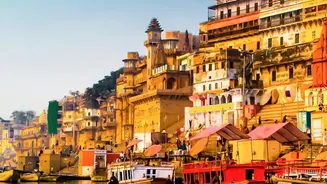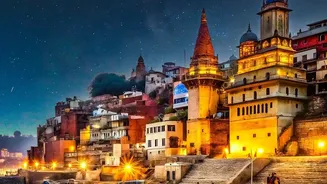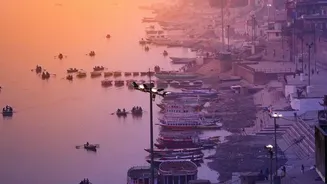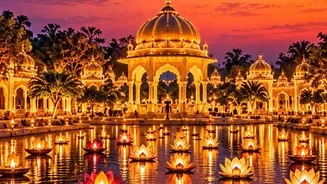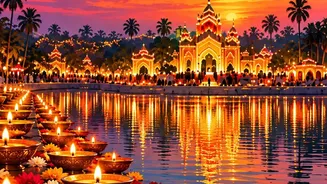




As the sun dips below the horizon, casting a final saffron glow over the sacred Ganga, the first earthen lamps flicker to life. This is the beginning of Dev Deepawali in Varanasi, a celestial event where the city's ancient waterfront prepares to transform
into a golden, shimmering sea.
The Diwali of the Gods
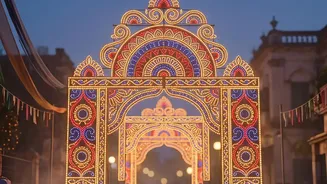
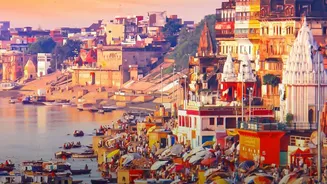
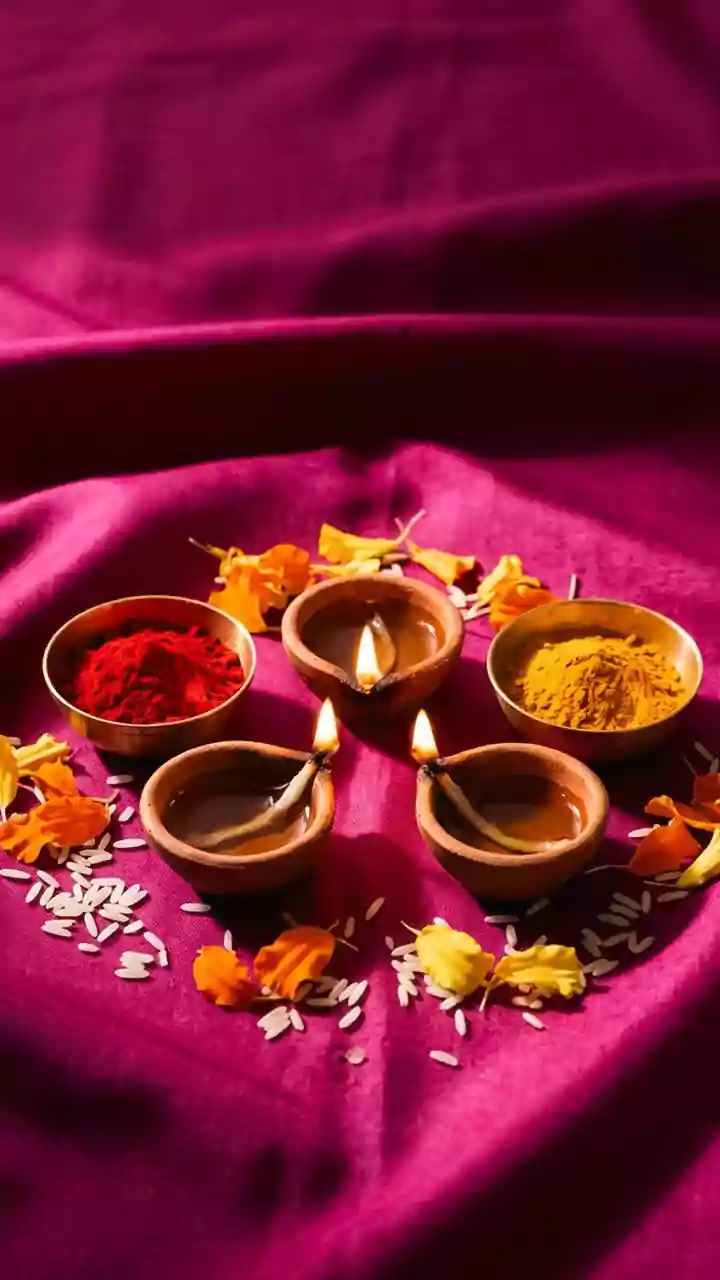
Fifteen days after the nationwide celebration of Diwali, Varanasi hosts its own, unique festival of lights. Known as Dev Deepawali, or the 'Diwali of the Gods', it is celebrated on Kartik Purnima, the night of the full moon in the Hindu month of Kartik. According to mythological belief, this is the night the gods themselves descend from the heavens to bathe in the holy river. To welcome these divine beings, the city illuminates its sprawling riverfront, a chain of over 80 ghats, with millions of traditional earthen lamps, or 'diyas'. The result is a breathtaking spectacle of light that attracts pilgrims and travellers from across the globe, all gathered to witness the spiritual capital of India at its most radiant.
A Victory for Lord Shiva
The origins of Dev Deepawali are rooted in a tale of cosmic triumph. The festival commemorates the victory of Lord Shiva over a powerful demon named Tripurasura. Legend states that Tripurasura had built three magnificent, unconquerable cities and was causing widespread destruction. The gods pleaded with Lord Shiva for help, who, in a powerful manifestation, destroyed the demon and his cities with a single arrow. The gods celebrated this victory of good over evil by illuminating Kashi (the ancient name for Varanasi) with countless lamps, a tradition that continues to this day. For this reason, the festival is also known as Tripurari Purnima, honouring Shiva as the 'destroyer of Tripura'.
An Ocean of Flickering Flames
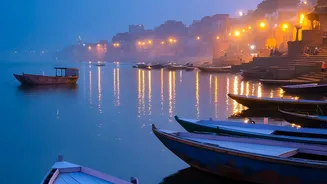
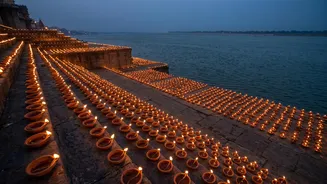
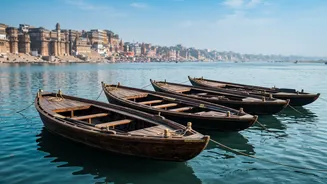
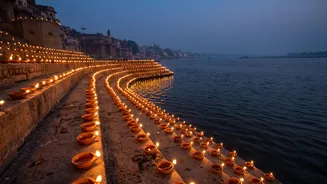
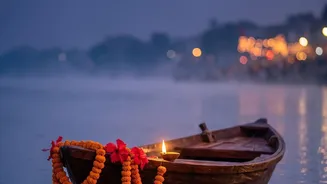
As evening deepens, the true magic unfolds. Volunteers and devotees move along the stone steps of the ghats, carefully placing row upon row of diyas. Soon, more than a million flames dance in the gentle breeze, their collective glow turning the entire riverfront into a spectacle of liquid gold. The reflection of the lamps on the dark, placid waters of the Ganga doubles the effect, creating an otherworldly scene. Thousands of people take to the river in boats of all sizes, hoping to get a panoramic view of the illuminated shoreline. The air hums with the sound of ringing bells, rhythmic chanting, and the blowing of conch shells, creating a powerful and immersive spiritual atmosphere.
The Heart of the Celebration
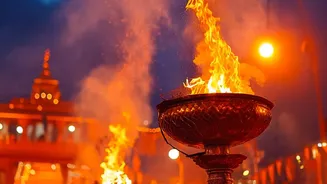
While the entire waterfront participates, certain ghats are epicentres of activity. Dashashwamedh Ghat, famous for its daily Ganga Aarti, hosts an even grander ceremony, with dozens of priests performing the synchronised ritual with massive, multi-tiered lamps. Assi Ghat, at the southern end, offers a slightly more tranquil but equally stunning view, often accompanied by cultural performances and classical music. Other ghats like Chet Singh Ghat, with its historic fort-like structure, and the spiritually significant Manikarnika Ghat, also become part of the glowing tapestry, each adding its unique character to the night's celebration. Beyond the lights, the festival also serves as a tribute to martyrs, with patriotic displays often integrated into the ceremonies.