






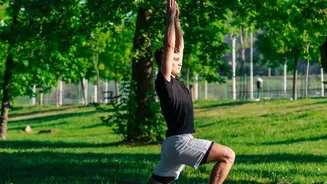
Starting a fitness journey is exciting, but the fear of joint pain can be a major hurdle. High-intensity workouts can feel intimidating and may not be suitable for everyone. This guide focuses on gentle, effective exercises to get you moving safely.
Why Start With Low-Impact Exercise?
When
you begin exercising, your joints, muscles, and connective tissues need time to adapt. High-impact activities like running or jumping can put significant stress on your knees, hips, and ankles, potentially leading to injury or burnout. Low-impact exercise, by contrast, minimizes this stress while still offering fantastic benefits. These activities, where one foot often stays on the ground or your body is supported, are gentler on your joints. Movement helps lubricate the joints, which can reduce stiffness and pain over time. Starting slowly allows you to build a solid foundation of strength and endurance, making fitness a sustainable, long-term habit rather than a painful, short-lived attempt.
Cardio That Cares For Your Joints
Cardiovascular exercise is crucial for heart health and energy levels. Luckily, many of the best options are naturally low-impact. Swimming: Often called the perfect joint-friendly exercise, the water’s buoyancy supports your body weight, removing almost all impact. It's a full-body workout that improves cardiovascular fitness, builds strength, and is great for anyone with arthritis or joint stiffness. Cycling: Whether on a stationary bike or outdoors, cycling builds leg strength and endurance with minimal stress on your knees and back. Using a recumbent bike can be even more comfortable for those with back or hip concerns. Walking: One of the simplest and most accessible exercises, walking is a weight-bearing activity that strengthens bones and muscles gently. Start with short 10-15 minute walks on flat surfaces and gradually increase your time and pace. Elliptical Trainer: This machine mimics the motion of running but without the jarring impact, making it a great alternative for a heart-pumping workout that protects your joints.
Building Strength Without Strain
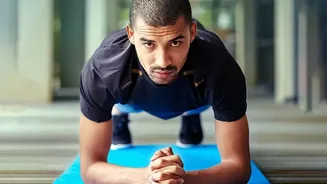
Strengthening the muscles around your joints is one of the best ways to protect them. You don't need heavy weights to do it. Bodyweight exercises are a perfect starting point. Wall Sits: This exercise strengthens your quadriceps and glutes without bending your knees under load. Lean your back against a wall and slide down until your knees are at a comfortable angle, holding the position. Glute Bridges: Lie on your back with your knees bent. Lift your hips toward the ceiling, squeezing your glutes. This strengthens your hips and core, which supports your entire body. Modified Planks: Planks are excellent for core stability. Start by holding a plank on your knees instead of your toes to reduce the load while still engaging your abdominal muscles. Seated Leg Extensions: Sit on a chair and simply extend one leg out straight, holding for a few seconds before lowering it. This targets the quadriceps, key muscles for knee stability.
Mindful Movement and Flexibility
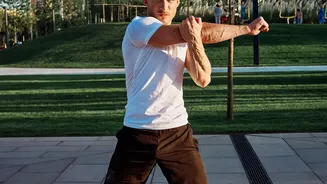
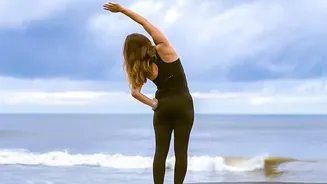
Flexibility and balance are also crucial components of fitness that are inherently gentle on the body. Tai Chi: This ancient Chinese practice involves slow, flowing movements and deep breathing. Studies show it can reduce pain and stiffness, improve balance, and increase mobility, making it highly recommended for people with arthritis. It's a meditative exercise that builds strength and stability in a gentle, controlled manner. Gentle Yoga: Yoga improves flexibility, balance, and joint mobility. Look for beginner or 'gentle' classes. Chair yoga is another excellent option that provides support while you move through poses, reducing stress on the lower body.
How to Create a Beginner's Routine
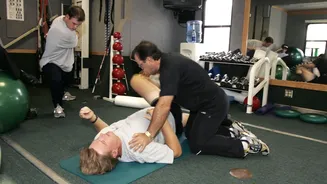
Consistency is more important than intensity. When starting, aim for 20 - 30 minutes of activity, three to five days a week. For someone very new to exercise, even starting with just five to ten minutes a day is beneficial. You could structure your week by alternating between cardio and strength days. For example, try walking or cycling on Monday, Wednesday, and Friday, and do a short bodyweight strength routine on Tuesday and Thursday. Always remember to warm up with a few minutes of gentle movement, like marching in place or arm circles, before each session. Most importantly, listen to your body. If you feel sharp pain, stop. Muscle soreness is normal, but joint pain is a signal to rest or modify the activity.