




The Return to Full Bloom
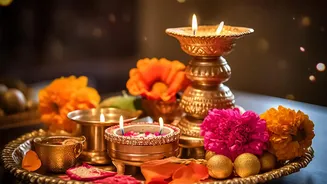
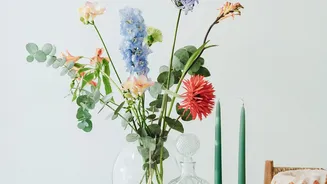
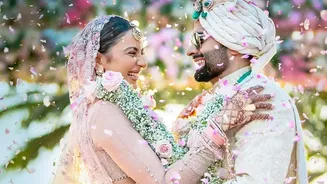
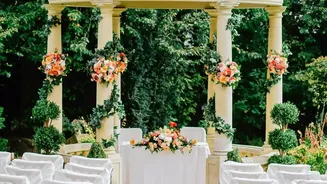
From intimate Haldi ceremonies to grand wedding receptions, fresh flowers are once again the centerpiece of Indian event design. Decorators note a significant shift away from artificial arrangements and towards large-scale, immersive floral installations.
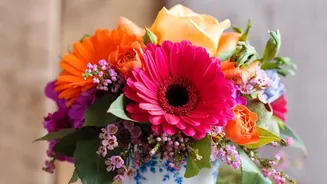
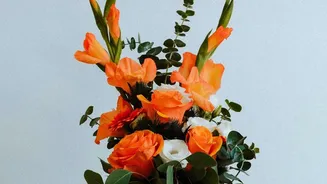
Think flower-lined aisles, dramatic hanging chandeliers of orchids and roses, and entire mandaps covered in fresh blooms. This trend is driven by a desire for more personalized, photogenic, and meaningful celebrations. Couples are blending traditional flowers like jasmine and marigold with contemporary choices like hydrangeas, peonies, and lush foliage to create a garden-inspired, naturalistic aesthetic. This return to nature, however, comes with a host of practical considerations that every host needs to navigate.
The Budget Question: Can You Afford to Bloom?
The most immediate question for many is cost. Lavish floral installations can be a significant part of any event budget. However, smart planning can make a big impact without breaking the bank. The key is to choose seasonal and locally grown flowers. Opting for blooms that are naturally thriving reduces costs associated with transportation and artificial growing conditions. Flowers like marigolds, jasmine, tuberoses, and chrysanthemums are often more affordable and resilient choices in the Indian climate. Decorators also suggest a 'less is more' approach, using minimalist designs with a limited but impactful color palette to create a sense of calm and elegance while reducing consumption and waste. Focusing statement arrangements in high-visibility areas, like the entrance or stage, can also create a luxurious feel more efficiently than spreading the budget thin across the entire venue.
The Longevity Dilemma: Keeping Flowers Fresh
India's diverse and often harsh climate presents a major challenge: keeping flowers from wilting. High humidity during monsoon can promote bacterial growth, while the dry heat of summer can cause rapid dehydration. Florists have several practical tips. First, always cut stems at a 45-degree angle before placing them in water to increase surface area for absorption. It is also crucial to remove any leaves that fall below the waterline, as rotting foliage breeds bacteria. In peak summer, using cold water, even with a few ice cubes, can slow bacterial growth and keep flowers fresh for longer. Daily water changes are non-negotiable, especially in humid or hot weather. For very delicate blooms, some experts even recommend storing arrangements in a refrigerator overnight to slow the ageing process.
The Sustainability Challenge: Eco-Conscious Choices
As environmental awareness grows, so does the demand for sustainable celebrations. Conventional floristry can be resource-intensive, involving pesticides and a significant carbon footprint from transportation. A major culprit is floral foam, which is non-biodegradable and breaks down into microplastics. Eco-conscious florists are now championing alternatives like reusable wire holders, pin frogs (kenzans), or even traditional Indian techniques using banana leaves and coconut husks. Sourcing flowers from local growers not only reduces transport emissions but also supports local economies and biodiversity. Couples are increasingly asking for arrangements that can be repurposed, donated, or composted, ensuring the beauty of their celebration doesn't come at the expense of the planet.
Beyond the Visuals: Scent and Symbolism
Finally, the appeal of fresh flowers goes beyond their visual beauty. The fragrance of blooms like jasmine (mogra) and tuberose (rajnigandha) is deeply embedded in the sensory memory of Indian festivities. Incorporating fragrant herbs and flowers can elevate the atmosphere of an event in a way artificial decor cannot. Flowers also carry deep cultural and spiritual significance, representing purity, devotion, and the beauty of life. Choosing specific flowers can add layers of meaning to a ceremony. The return to fresh flowers is therefore also a return to a richer, more traditional form of expression, where every element of the decor tells a story and engages all the senses.