




Imphal, Manipur: The 'Good' Air Jewel
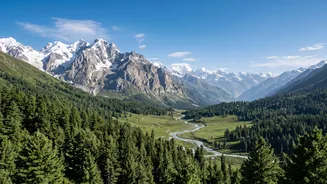
This northeastern capital offers a refreshing escape with consistently clean air. On November 16, 2026, Imphal recorded an Air Quality Index (AQI) of 38, falling squarely in the 'Good' category. This means the air quality is considered satisfactory, and
air pollution poses little or no risk. The city’s low industrial activity and abundance of green spaces contribute to its pristine atmosphere. Visitors can explore the historic Kangla Fort, enjoy the unique ecosystem of Loktak Lake, the largest freshwater lake in Northeast India, or simply wander through the bustling Ima Keithel, a market run entirely by women. Imphal’s combination of cultural richness and clean environment makes it an ideal spot for a rejuvenating break.
Madikeri, Karnataka: Coorg's Verdant Heart
Nestled in the rolling hills of the Western Ghats, Madikeri is the heart of the Coorg region, famed for its coffee plantations and misty landscapes. On November 16, 2026, the Stuart Hill station in Madikeri reported an AQI of 54, which is in the 'Satisfactory' range. This indicates that while there might be minor discomfort for extremely sensitive individuals, the air is generally acceptable for most people. The dense forest cover and sprawling plantations act as natural air purifiers. A trip here means waking up to the aroma of coffee and clean air before exploring attractions like Raja's Seat for panoramic sunset views, the cascading Abbey Falls, or trekking through the verdant hills.
Aizawl, Mizoram: The Hilly Retreat
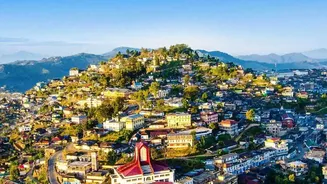
Aizawl stands out as one of India's cleanest capitals, thanks to its hilly terrain, light traffic, and community-led cleanliness drives. On November 17, 2026, a station in Aizawl reported an AQI of 45, which is rated as 'Good'. Its location among pine-covered hills ensures a steady supply of fresh, cool air throughout the year. The city offers a tranquil atmosphere, far from the chaotic pace of metropolitan life. You can visit the Solomon's Temple, a grand church, explore the Mizoram State Museum for a dose of local culture, or hike to Durtlang Hills for a stunning view of the cityscape against the green hills. Aizawl is a testament to how urban life can coexist with nature.
Shivamogga, Karnataka: Nature's Bounty
Known as the gateway to the Western Ghats, Shivamogga is a land of lush greenery, waterfalls, and clean air. On November 16, 2026, the city recorded a 'Satisfactory' AQI of 51. Its air quality benefits from the dense forests and the Tunga River that flows through it. The region is home to Jog Falls, one of India's most spectacular waterfalls, and the Shettihalli Wildlife Sanctuary. For those interested in history and architecture, the Keladi and Ikkeri temples offer a glimpse into the area's rich past. The combination of low pollution and abundant natural attractions makes Shivamogga a perfect off-the-beaten-path destination for a nature-filled holiday.
Coimbatore, Tamil Nadu: A 'Good' Southern Hub
While an industrial city, Coimbatore benefits from its proximity to the Western Ghats, which helps maintain better air quality compared to many other urban centres. On November 16, 2026, it recorded a 'Good' AQI of 44. Known as the 'Manchester of South India' for its textile industry, the city also serves as a base for visiting nearby hill stations like Ooty and Coonoor. Before you head to the hills, you can explore the serene Marudhamalai Hill Temple, the impressive Adiyogi Shiva statue, or enjoy the local cuisine. Its favourable air quality makes it a comfortable urban stopover.
Kochi, Kerala: Satisfactory Coastal Air
This vibrant port city in Kerala often enjoys better air quality due to the sea breeze, which helps disperse pollutants. On November 16, 2026, Kochi's Vyttila station registered an AQI of 67, classified as 'Satisfactory'. This means outdoor activity is fine for most people. Kochi is a captivating blend of history and modernity, from the colonial-era buildings and iconic Chinese fishing nets of Fort Kochi to the bustling city life in Ernakulam. Visitors can enjoy backwater cruises, explore the spice markets, and indulge in the region's famed seafood, all while breathing air that is a welcome relief from more polluted urban environments.