




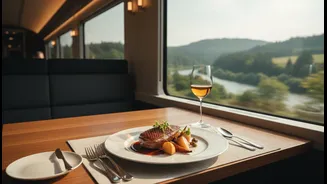


From Pantry Cars to Digital Carts
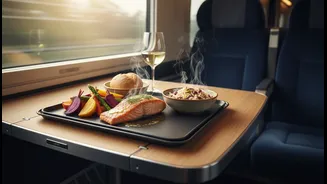
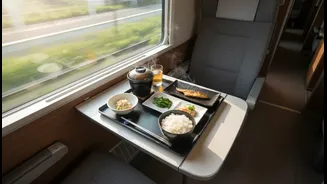
Long-distance train travel in India has always been a culinary adventure, but one with limited options. Passengers traditionally chose between three paths: meticulously packing home-cooked meals, relying on the often-unpredictable quality of pantry car
food, or taking a chance on vendors during brief station halts. While home food offered comfort, it meant significant preparation before the trip. Pantry cars and station food, on the other hand, often raised concerns about hygiene and taste. This system, followed for decades, made food a central, and sometimes stressful, part of travel planning.
A Revolution on the Rails
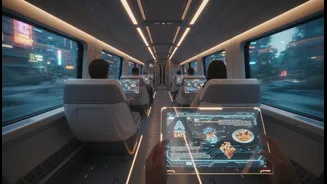
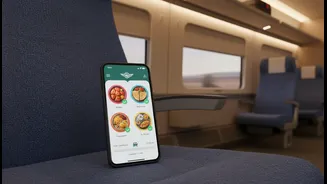
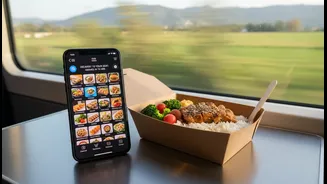
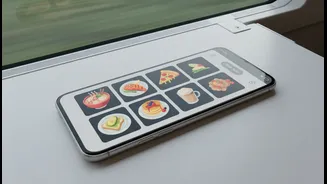
The landscape began to shift when the Indian Railway Catering and Tourism Corporation (IRCTC) launched its e-Catering service, creating a unified platform for food orders. By partnering with major food aggregators like Swiggy and Zomato, as well as specialised services like RailRestro and Zoop, IRCTC created an ecosystem that brings restaurant food directly to your seat. The result has been nothing short of explosive. In the summer quarter of 2026, Swiggy reported a threefold year-over-year increase in train food orders. This isn't just a minor convenience; it signals a fundamental change in passenger behaviour, moving online food ordering from a niche option to a default expectation for millions.
How a Biryani Finds Your Berth
The magic behind getting a hot meal delivered to a moving train lies in a simple but powerful piece of information: your 10-digit PNR number. When you place an order via an app or website, you enter this number. The system uses the PNR to track your train's real-time location, coach position, and seat number. You choose an upcoming station, browse menus from FSSAI-approved restaurants nearby, and place your order. A delivery person is then dispatched to the platform to meet your train when it arrives, finding your exact coach and seat to hand over the meal. The entire process is designed to work even if your train is delayed, as the order timing is synced with the train's live status, not its scheduled arrival.
Rethinking the Travel Checklist
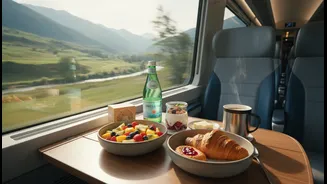
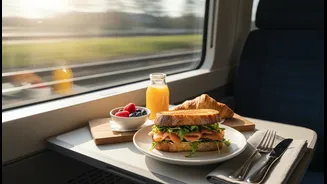
The most immediate impact of this trend is on pre-journey planning. The age-old ritual of spending hours preparing and packing food for a two-day trip is becoming optional. For families, students, and solo travellers alike, this frees up valuable time and reduces the logistical burden of carrying extra bags filled with food containers. The planning now shifts from 'what to cook' to 'what to order'. Travellers can decide on their meals spontaneously, choosing from a variety of cuisines—from North Indian thalis and South Indian dosas to pizzas and biryanis—that were previously unimaginable on a train. Special dietary needs, such as Jain or other vegetarian meals, are also easily catered for.
The Journey Becomes the Destination
This new convenience is also reshaping the travel experience itself. Passengers are no longer just eating to satisfy hunger; they are exploring. The data reveals a fascinating new trend of 'multi-station ordering,' where a passenger on a single journey might order snacks at one station and a full meal at another. Swiggy noted a 300 percent year-on-year growth in this behaviour, with the Bhopal to Nagpur route seeing over 1,300 passengers ordering at both cities on the same trip. This allows travellers to sample regional specialties as they pass through different parts of the country, turning the journey into a culinary tour. It also offers greater flexibility, especially for those travelling with children or elderly parents who may have specific mealtime needs.
Fuelling Growth Beyond the Metros
Perhaps the most significant change is happening in India's smaller towns. Train food delivery is acting as a gateway to the digital economy. In a town like Guna, Madhya Pradesh, two-thirds of passengers who ordered food on a train this summer were using a food delivery app for the very first time. This trend is outpacing growth in major metros, creating a new wave of digital users. Furthermore, it is fostering a new hyperlocal economy. Restaurants and cloud kitchens are now setting up operations near railway stations, their business models built around train schedules rather than local foot traffic. This creates employment and brings new economic activity to areas that were previously just transit points.