


Strategy 1: Head to the Rain Shadow
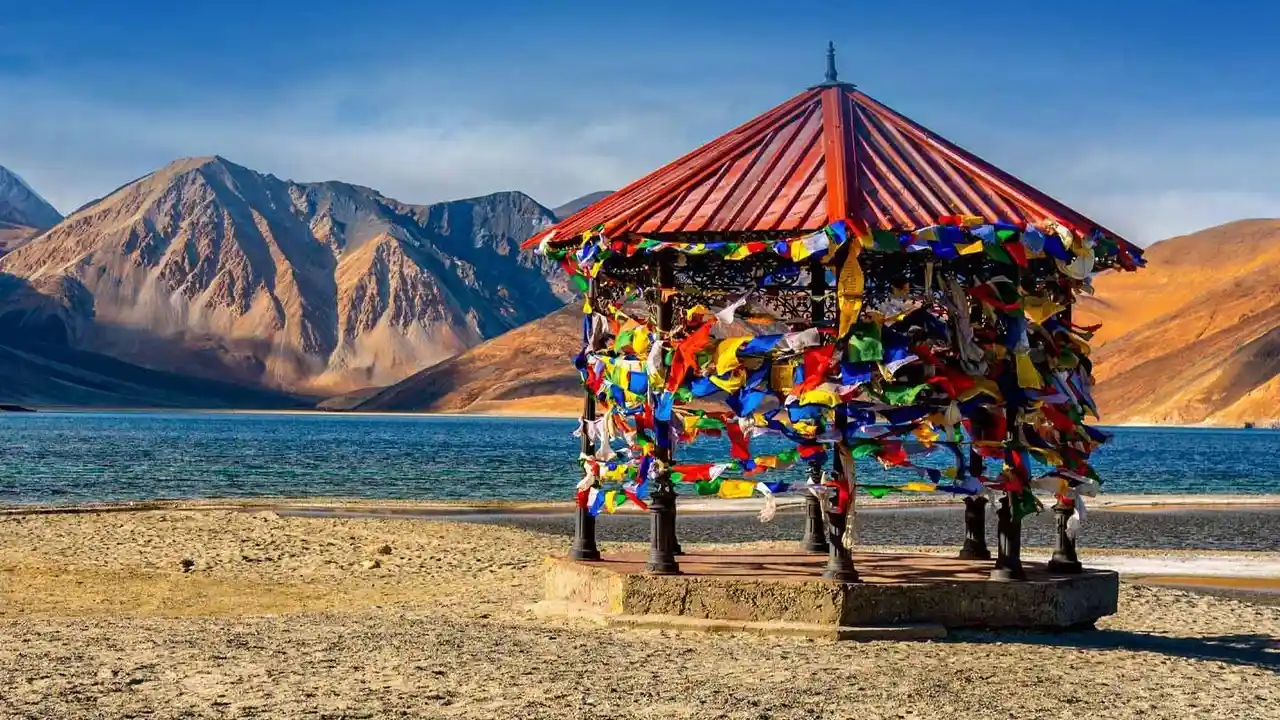
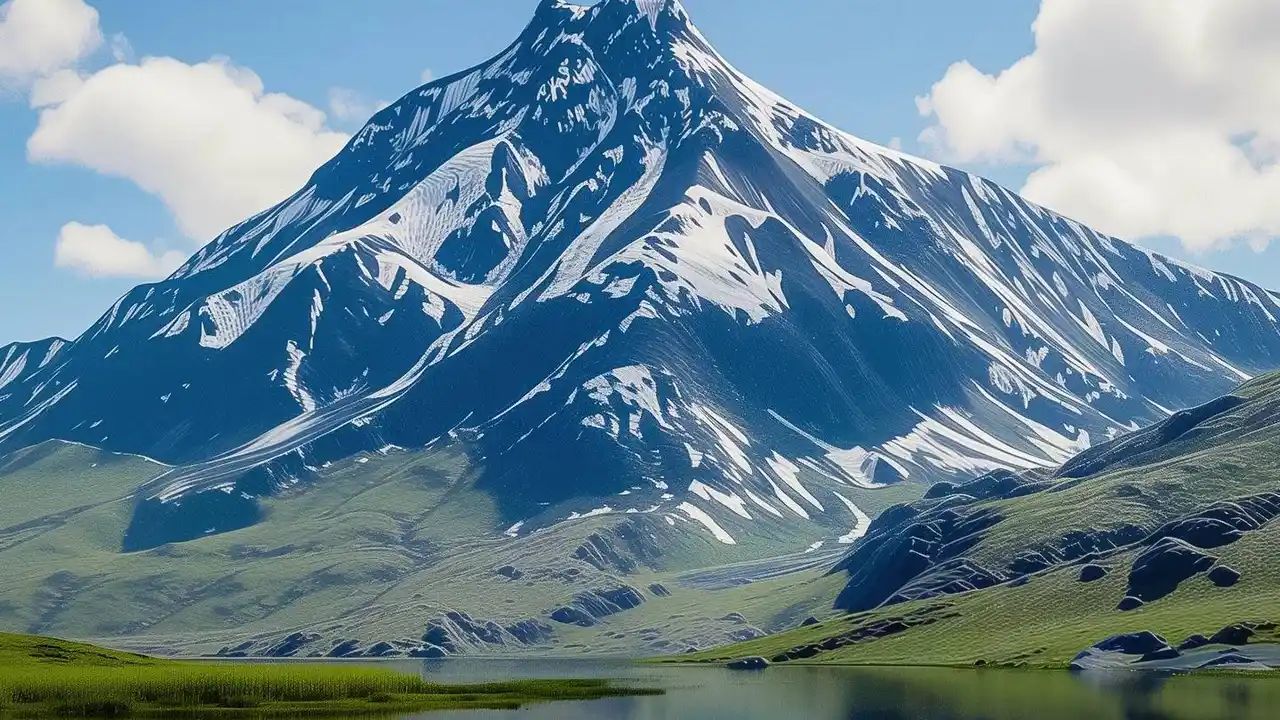
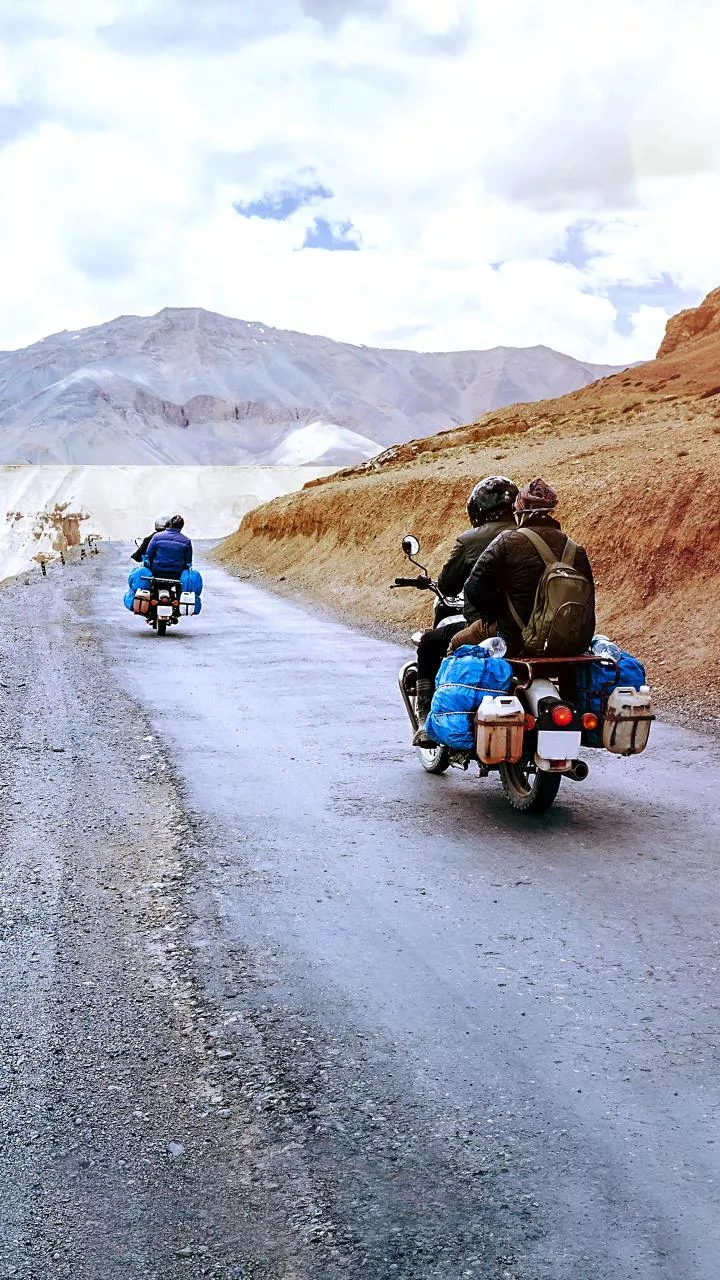
The most straightforward way to avoid heavy downpours is to visit a rain shadow region. These are areas where mountains block rain-bearing clouds, resulting in a drier climate. The high-altitude deserts of Ladakh and Spiti Valley are prime examples, offering
clear blue skies and accessible roads in August. Ladakh, in particular, is a popular choice with its stunning monasteries, high-altitude lakes like Pangong Tso, and pleasant temperatures ranging from 10 to 25 degrees Celsius. Down south, parts of Tamil Nadu and the eastern Deccan plateau receive less rainfall during the southwest monsoon. While not entirely dry, these areas offer a chance to explore without constant rain. A recent forecast for Tamil Nadu shows scattered and localised showers rather than a continuous deluge.
Strategy 2: Embrace the Downpour
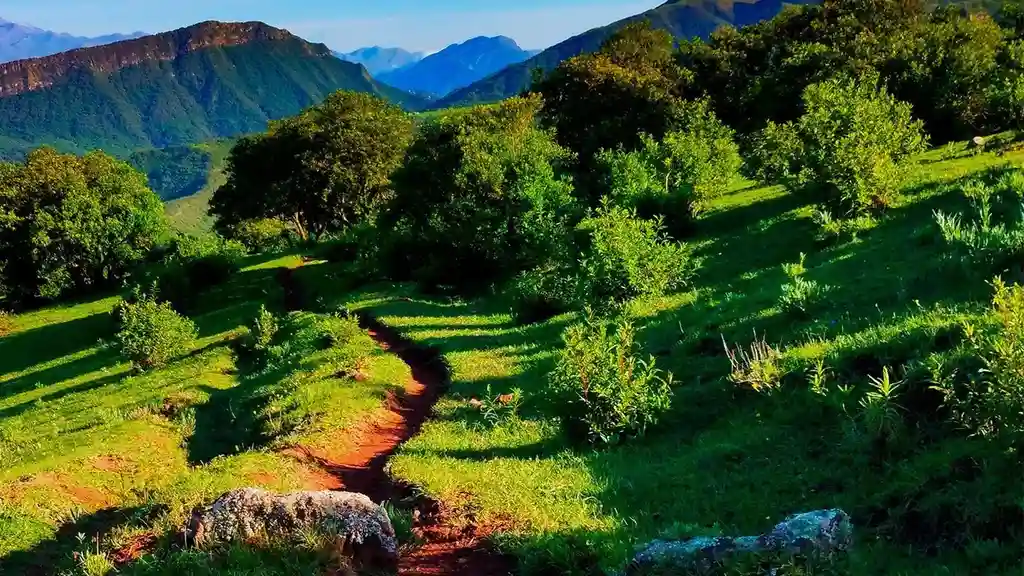
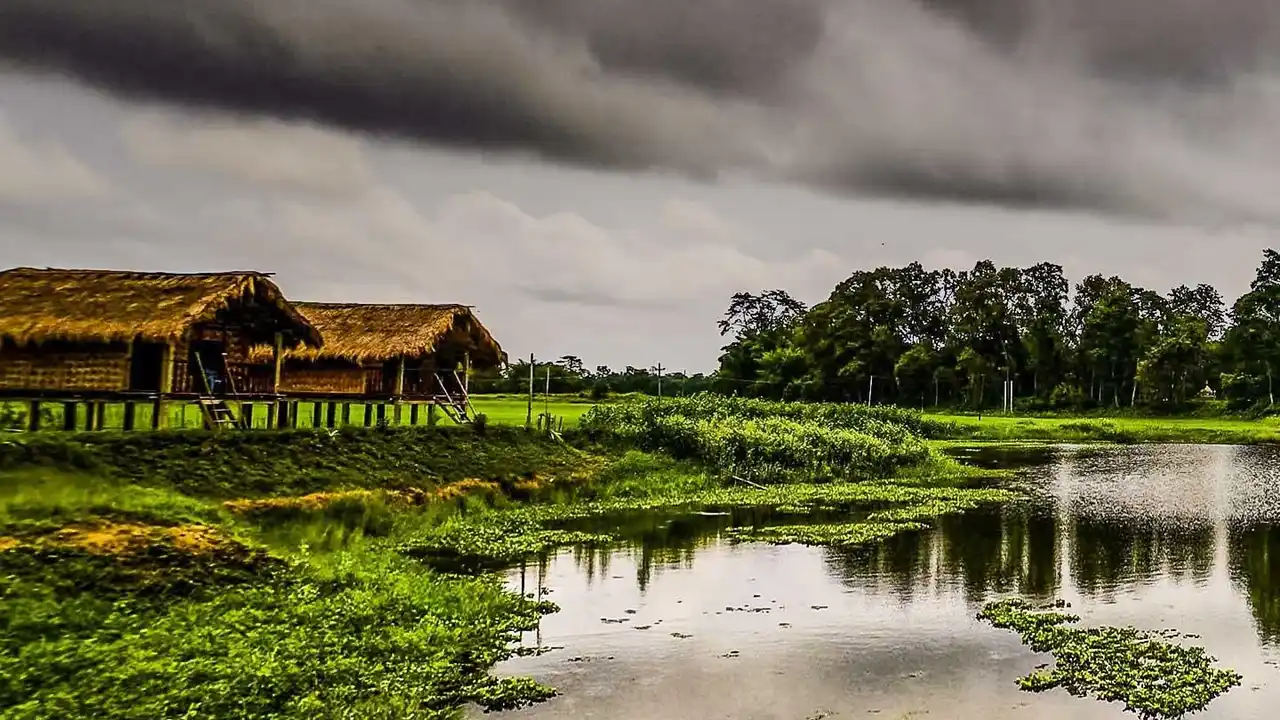
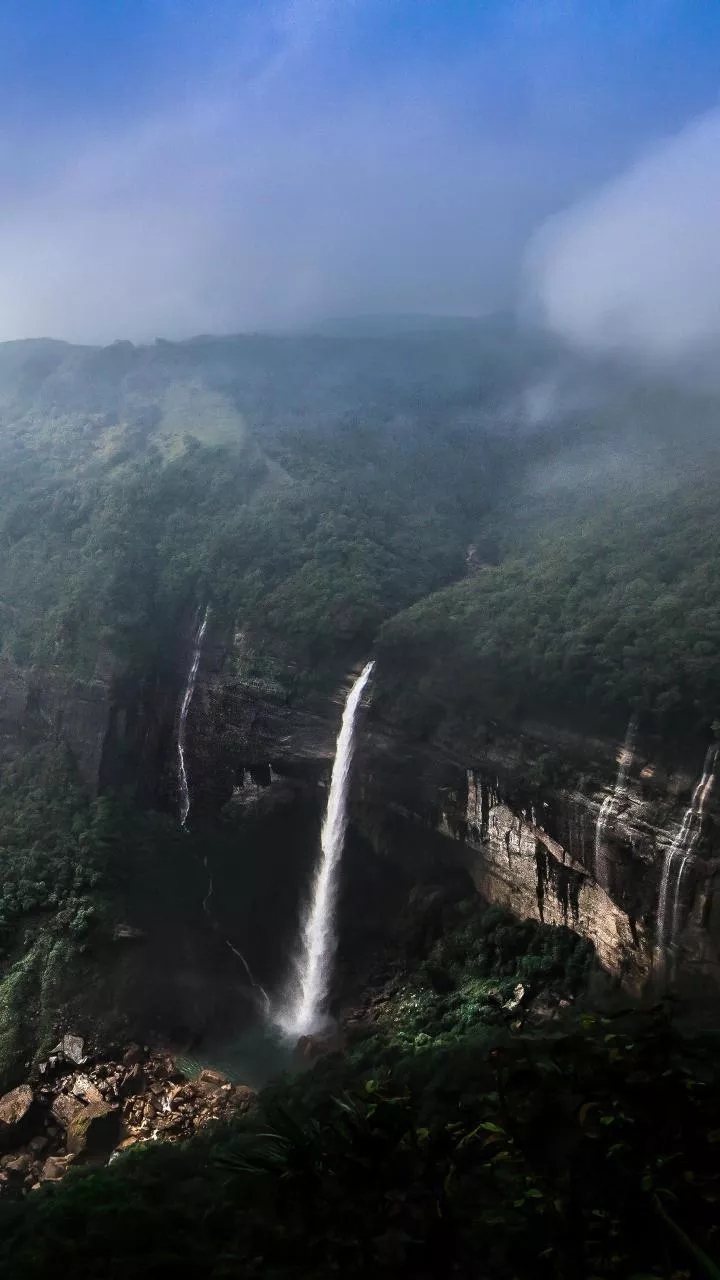
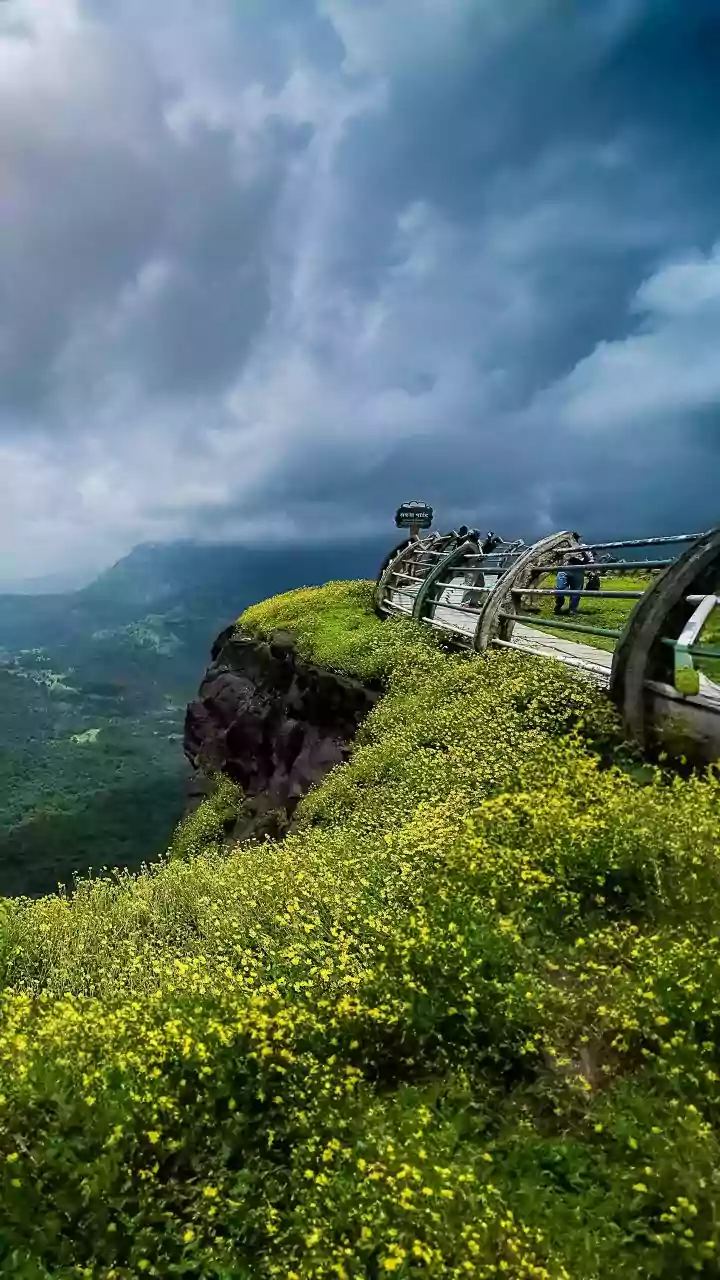
For some destinations, the monsoon isn't an obstacle; it's the main event. Places like Meghalaya, 'the abode of clouds', are at their most spectacular in August. Cherrapunji and Mawsynram, two of the wettest places on Earth, come alive with thunderous waterfalls like Nohkalikai Falls and lush landscapes. Trekking to see the living root bridges during this time is an unforgettable experience, though it requires good fitness and preparation for slippery conditions. The Western Ghats also transform into a green paradise. Hill stations like Munnar in Kerala and Coorg in Karnataka are draped in mist, with tea and coffee plantations looking refreshed and vibrant. In Coorg, also known as the 'Scotland of India', attractions like Abbey Falls are at their peak. These destinations are perfect for travellers who enjoy the romantic, peaceful atmosphere created by the rain.
Strategy 3: Opt for a Transformed Desert
Thinking of Rajasthan in the monsoon might seem counterintuitive, but August can be a magical time to visit. The desert state receives relatively light to moderate rainfall, which breaks the intense summer heat and transforms the arid landscape. Day temperatures hover around a more comfortable 30-35°C. Cities like Udaipur, the 'City of Lakes', become incredibly romantic as lakes like Pichola and Fateh Sagar fill up, reflecting palaces against dramatic monsoon clouds. You also benefit from fewer tourists and lower prices compared to the peak season. Mount Abu, the state's only hill station, becomes particularly lush and inviting, with its hills covered in a soft fog.
Strategy 4: Plan Around a Festival
Another way to choose a destination is to travel for a cultural experience. August 2026 is packed with festivals. Onam, Kerala's most significant harvest festival, will be celebrated from August 25th to 28th. It's a vibrant time to be in the state, with beautiful flower arrangements (pookalam), traditional feasts (sadhya), and iconic snake boat races (vallam kali). Other festivals this month include Hariyali Teej on August 15th, Nag Panchami on August 17th, and Raksha Bandhan on August 28th, which are celebrated with great enthusiasm in various parts of the country, especially in the north.
Essential Monsoon Travel Tips
No matter where you go, monsoon travel requires some preparation. Always check the weather forecast a few days before and during your trip. Pack light, quick-drying clothes made from synthetic fabrics; avoid heavy materials like jeans and cotton that take forever to dry. A sturdy umbrella and a reliable raincoat are non-negotiable. Waterproof footwear with good grip is essential for navigating wet and slippery surfaces. Protect your electronics, documents, and cash in waterproof bags or pouches. Be cautious about food and water; stick to bottled water and avoid street food that might be contaminated. Finally, keep your itinerary flexible. Roads can close and transport can be delayed, so building in extra buffer time is always a wise decision.