





Beyond a Singular Notion of Beauty
For decades, the Indian beauty market was largely defined by a narrow focus on fairness. However, a significant cultural and commercial shift is underway. Today's consumers are rejecting a one-size-fits-all approach, creating a surge in demand for products
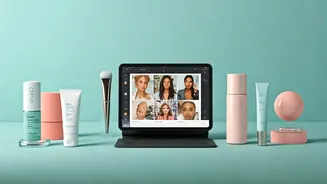
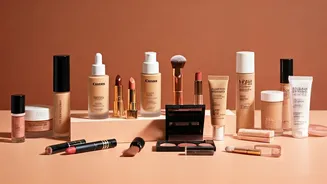
that cater to the vast diversity of Indian skin tones. Brands are responding by expanding their foundation and concealer ranges to include shades previously underserved, addressing specific concerns like hyperpigmentation which is common in melanin-rich skin. This move towards inclusivity is not just a trend but a market necessity, with one 2023 report revealing that 50% of beauty consumers prioritise inclusivity and 31% actively avoid brands that don't represent their needs. This evolution reflects a broader cultural shift that celebrates individuality and diverse expressions of beauty.
The Meteoric Rise of Men's Grooming
The diversification of the beauty consumer extends beyond skin tone to gender. The men's grooming industry in India is experiencing explosive growth, transforming from a niche segment into a major market force. Valued at approximately ₹20,500 crore (US$2.3 billion) in 2024, the market is projected to reach ₹38,300 crore (US$4.3 billion) by 2033. This boom is driven by changing social norms, rising disposable incomes, and a younger demographic that views grooming as an essential part of self-expression and wellness. Once limited to shaving products, the category now includes a wide array of skincare and beard care items. On e-commerce platforms like Flipkart, men's grooming was the fastest-growing category in 2026, with a 65% year-on-year increase, fueled by high interest in products like sunscreens and face washes.
Gen Z and Digital Natives in the Driving Seat
The engine behind much of this change is Gen Z. Making up a significant portion of the consumer base, this generation is digitally savvy, well-informed, and demands authenticity and transparency from brands. Accounting for nearly 60% of beauty purchases on platforms like Flipkart, Gen Z is driving demand for everything from premium products to ingredient-led skincare. They are less loyal to specific brands and more willing to experiment to find products that suit their personal needs. Their influence is amplified by social media, where creators and influencers showcase products on real, textured skin, moving the conversation from aspiration to information and efficacy. This has powered the success of digital-first, direct-to-consumer (D2C) brands that build communities online and cater to niche demands.
The D2C Revolution and Geographic Expansion
The rise of Direct-to-Consumer (D2C) brands has been a critical catalyst in diversifying the market. Unburdened by traditional retail constraints, brands like Sugar Cosmetics, Mamaearth, and Minimalist have leveraged e-commerce and social media to reach specific consumer segments with tailored products, such as makeup for Indian skin tones or clean, toxin-free formulations. This digital wave has also democratised access to beauty, pushing growth far beyond metropolitan hubs. Two out of every three beauty-related searches on Flipkart now originate from non-metro markets. Consumers in Tier-2 and Tier-3 cities are rapidly adopting global trends and sophisticated routines, creating a pan-India demand for diverse and personalised beauty solutions.