







The New Rules of Quick Eating
The modern Indian diner is no longer willing to settle. Busy urban lifestyles and rising disposable incomes have created a demand for convenient food, but consumer expectations have soared. Palates are more global, awareness around health is at an all-time
high, and social media has turned every meal into a potential photo-op. A recent report highlighted that a staggering 86% of Indian consumers now consider protein content when choosing snacks, and over 60% prefer natural sweeteners like dates or jaggery over refined sugar. This shift is forcing Quick Service Restaurants (QSRs) to rethink their entire approach. The game is no longer just about being fast; it's about being fresh, flavourful, and fundamentally better.
Beyond the Burger and Fries
The result is a vibrant and diverse fast-food scene. While burgers and pizzas still have their place, the fastest-growing segments are far more varied. The market is seeing a surge in brands offering everything from gourmet grilled burgers and artisanal sandwiches to biryani bowls and modernised Indian street food. Chains built around regional specialities like vada pav are scaling up through franchising, standardising recipes and hygiene to bring beloved local flavours to a national audience. Similarly, concepts centred on healthy bowls, high-protein wraps, and plant-based meals are gaining significant traction, catering to a new generation of health-conscious consumers who still crave convenience. This menu innovation is a direct response to diners seeking unique food experiences that combine comfort with a touch of the gourmet.
Technology as the Secret Ingredient
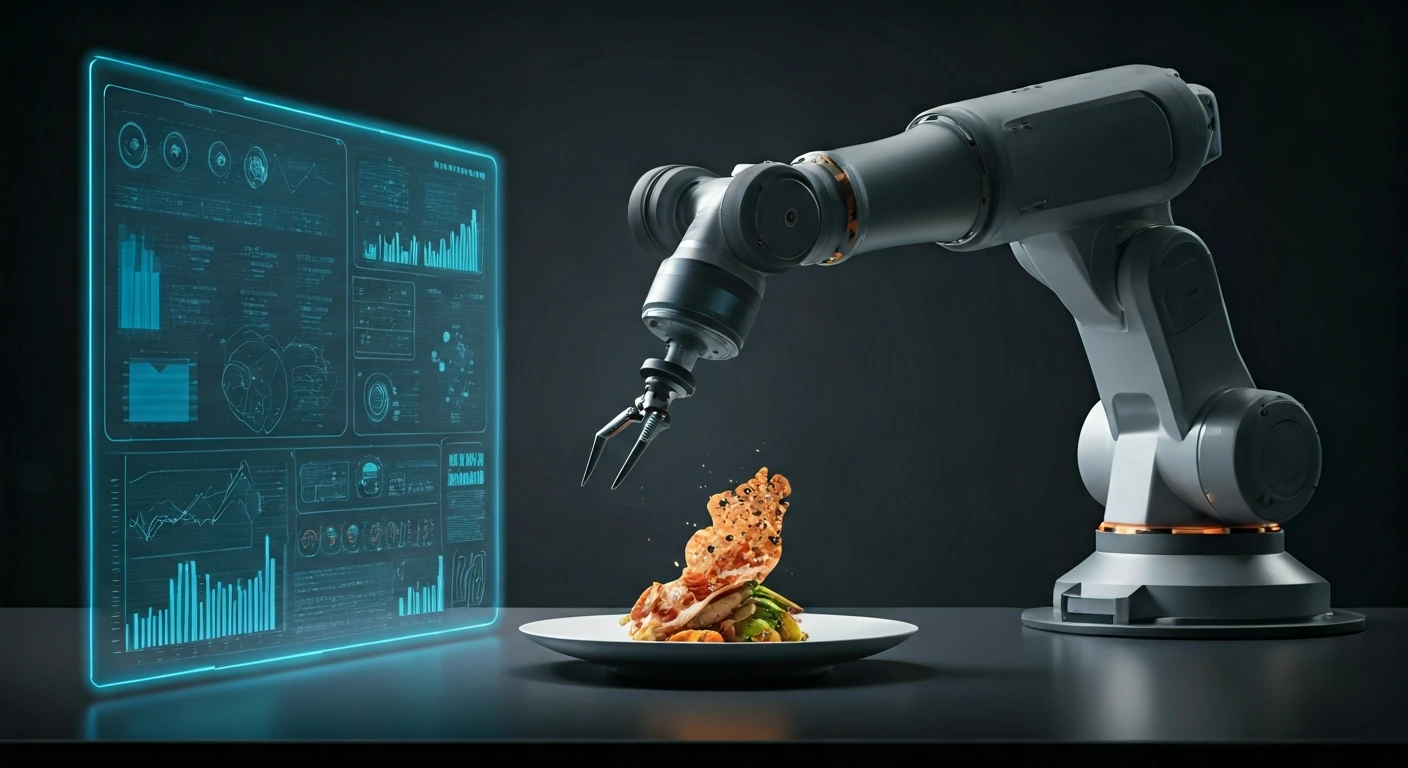
This evolution would be impossible without technology. The rise of delivery aggregators like Zomato and Swiggy was just the beginning. Today, technology is integrated into every aspect of the QSR experience. AI-powered systems help restaurants predict demand, manage inventory, and reduce food waste. In-store, self-service kiosks and QR code menus reduce wait times and improve order accuracy. Behind the scenes, smart kitchen management systems and sophisticated supply chains ensure that even complex dishes made with fresh ingredients can be prepared and served efficiently. This tech-first approach allows brands to offer higher quality and more customised food without sacrificing the speed that defines the category.
The Rise of the Fast-Casual Model
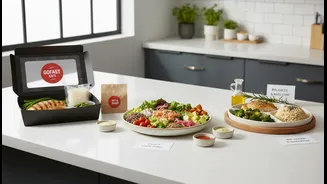
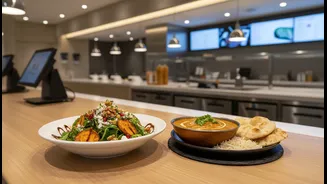
This new wave is best defined by the 'fast-casual' restaurant. Positioned between traditional fast food and casual dining, this model offers the counter-service speed of a QSR with food quality, freshness, and an ambiance closer to a full-service restaurant. These brands are proving that you can have it all: meals that are both quick and crafted. In India, this segment is booming, with homegrown chains like Burgrill offering grilled alternatives to fried fast food and internet-first companies like Rebel Foods building entire portfolios of brands like Faasos and Behrouz Biryani from cloud kitchens. This model is not just thriving in metros; brands are rapidly expanding into Tier II and Tier III cities, finding eager customers with growing disposable incomes.