




The Vibe: Tea Plantations vs. Colonial Gardens
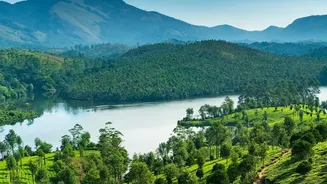
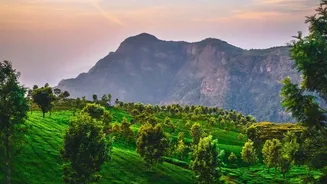
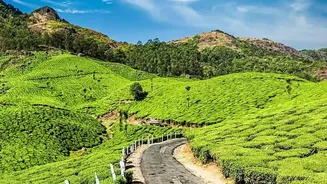
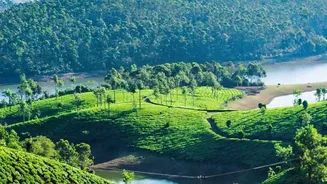
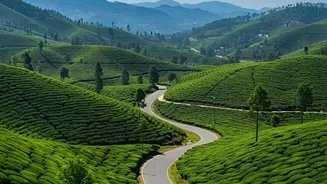
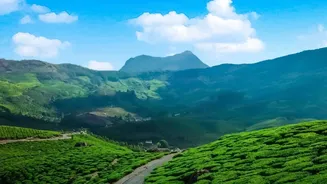
The fundamental difference between the two destinations lies in their atmosphere. Munnar, in Kerala, is defined by its seemingly endless expanse of tea plantations. The landscape feels vast, open, and dominated by nature, with rolling green hills disappearing
into the mist. It is a place for quiet immersion in nature, with viewpoints and waterfalls tucked away amidst the estates. In contrast, Ooty (Udhagamandalam) in Tamil Nadu, often called the 'Queen of Hill Stations', has a more structured, colonial-era feel. While it also has tea gardens, its identity is equally shaped by manicured botanical gardens, a bustling town centre, and charming old-world architecture. Ooty feels more like a classic, lively hill town, whereas Munnar feels like a sprawling natural escape.
November Weather and Scenery
November is an excellent time to visit both hill stations, as the monsoon has just passed, leaving everything lush and vibrant. In Munnar, November brings clear skies and pleasant, cool weather, with temperatures typically ranging from 12°C to 20°C. The waterfalls are still full from the rains, and the tea gardens are a brilliant shade of green, making it perfect for photography and sightseeing. Ooty in November also has agreeable weather, with temperatures hovering between 12°C and 20°C. However, it falls during the northeast monsoon, which can bring some rain, although generally less than in October. The air is crisp, the skies are often clear, and the post-monsoon greenery is beautiful, making it a great time for walks and taking the famous toy train.
Main Attractions and Activities
Your choice might come down to what you want to do. Munnar's attractions are deeply connected to its natural landscape. Popular activities include walking through tea estates, visiting the Tata Tea Museum, trekking to scenic viewpoints like Top Station, and wildlife spotting at Eravikulam National Park, home to the Nilgiri Tahr. Boating at Mattupetty Dam and enjoying the cascades of Attukal Waterfalls are other highlights. Ooty offers a more diverse mix of organised attractions. The heritage Nilgiri Mountain Railway (the 'toy train') is a must-do experience. Other top spots include the Government Botanical Gardens, the Rose Garden, and boating on Ooty Lake. Doddabetta Peak offers panoramic views of the Nilgiris, providing a different perspective than Munnar's valley views.
Accessibility and Getting Around
Getting to each destination involves different logistics. Ooty is generally more accessible. The nearest major airport is in Coimbatore, about 88 km away, and the town is well-connected by road. The toy train also connects Ooty to Mettupalayam. Reaching Munnar requires a bit more road travel. The nearest airport is Cochin International Airport (in Kerala), which is around 110 km away, and the nearest major railway stations are Aluva or Ernakulam. The final leg of the journey to Munnar must be done by car through winding ghat roads. Once there, Munnar's attractions are spread out over a large area, making a hired car or taxi almost essential for sightseeing. Ooty's main attractions are more concentrated around the town, making it slightly easier to navigate.
Which One Should You Choose?
Your decision depends on your travel style. Choose Munnar if you are seeking a romantic getaway or a peaceful retreat focused on nature. It's ideal for those who love sprawling landscapes, quiet walks through tea gardens, and the feeling of being immersed in a green, tranquil environment. The experience is more about soaking in the views than ticking off a list of sights. Choose Ooty if you prefer a classic hill station holiday with a mix of nature, colonial charm, and family-friendly activities. If you enjoy botanical gardens, boat rides, and the novelty of a heritage train, Ooty offers a more structured and varied itinerary. It has a livelier atmosphere and can feel more like a traditional vacation town.