
A Second Life for Storied Fabrics
Every saree tells a story. Worn for weddings, festivals, and daily life, these garments are imbued with personal and cultural history. Instead of letting these beautiful textiles languish in trunks, the practice of upcycling gives them a new chapter.
Unlike recycling, which breaks down materials, upcycling preserves the integrity and soul of the original item, transforming it into something of new and often greater value. This tradition of reuse has deep roots in India, where for generations, worn-out fabrics were stitched into quilts or other functional items, a practice born from necessity that evolved into an art form.
The Careful Art of Selection
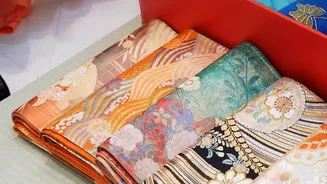
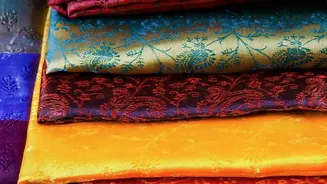
The journey from saree to drape begins with a meticulous selection process. Artisans and designers source vintage sarees from markets, collectors, or directly from families. Not every saree is suitable. Craftsmen look for specific qualities in the fabric. Cottons are chosen for their breathability and soft, filtered light, making them ideal for a chic, informal look. Silks, with their natural lustre and rich colours, are selected to create luxurious, festive drapes that add a sense of royalty to a space. The condition, colour, print, and especially the decorative border, or 'pallu,' are all considered to decide how the fabric can be best reimagined.
Transforming Threads Through Craftsmanship
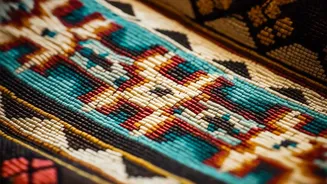
Once selected, the sarees are carefully prepared. They are cleaned, and any damages are assessed. The transformation often involves deconstructing the sarees and then recomposing them. Many of the most stunning drapes are created using patchwork, where pieces from different sarees are cut and artistically stitched together to form a vibrant tapestry of colours and patterns. This requires a keen eye for design to ensure the final composition is harmonious. In some traditions, like Kantha from Bengal, layers of old sarees are stitched together with thousands of tiny, running stitches, creating a textured, durable, and completely unique piece. This hand-stitching is a slow, meditative process that further embeds the artisan's touch into the fabric.
Finishing Touches and Final Form
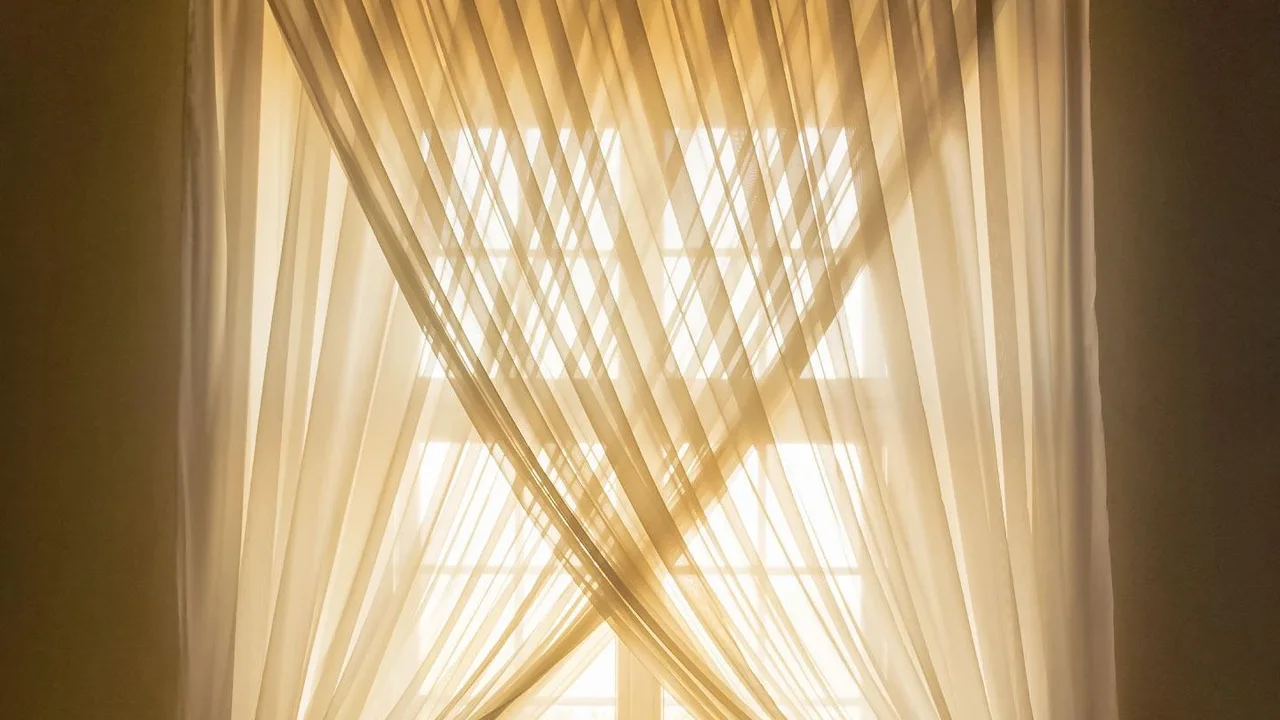
The final stage involves sewing the panels into drapes. Depending on the design, this might mean creating simple, full-length drapes that showcase a single, stunning saree or crafting intricate, layered curtains. A cotton lining is often added to protect the delicate vintage fabric from sun damage and to give the drapes a more substantial weight and fall. Loops or channels are stitched at the top for the curtain rod, completing the transformation. The result is not just a window covering, but a piece of functional art that carries the echoes of its past life into a contemporary home.
Sustainability with Soul
Choosing drapes made from upcycled sarees is a conscious design choice. It is an act of sustainability that helps reduce textile waste, a significant environmental concern. This practice extends the lifecycle of beautiful, high-quality fabrics and supports the skilled artisans who are masters of traditional techniques. In a move away from mass-produced home goods, these drapes offer individuality and character. Each set is one-of-a-kind, a mosaic of patterns and histories that cannot be replicated. They bring warmth, colour, and a powerful story into a room, celebrating heritage while looking firmly toward a more sustainable future.