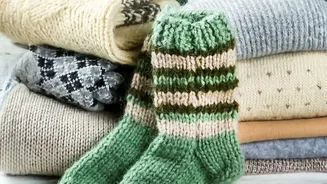


Your favourite woollen sweater offers unmatched comfort, but keeping it from stretching or shrinking can feel like a challenge. With a few simple techniques for washing, drying, and storing, you can easily preserve the shape and softness of your knits.
The Gentle Art of Washing Wool
The golden rule for wool is to wash it less often. Wool is a natural fibre with antimicrobial and odour-resistant properties, so simply airing it out after wearing is often enough to freshen it up. When a wash is truly necessary, always check the garment's care label first. Hand washing is the safest method. Use cool or lukewarm water (never hot, which causes shrinking) and a small amount of a mild, wool-safe detergent. Submerge the garment, gently squeeze the water through the fibres, and let it soak for about 10 minutes. Avoid any harsh rubbing, twisting, or wringing, as this friction can cause felting and damage. If your machine has a dedicated wool or delicate cycle, you can use it, but place the garment in a mesh laundry bag for protection, use cold water, and select a low spin speed.
Drying: The Most Crucial Step for Shape
How you dry your woollens is critical to keeping their shape. Never, ever hang a wet knitted garment. The weight of the water will pull the fibres downwards, causing irreversible stretching, especially at the shoulders. The only correct method is to dry it flat. After washing, gently squeeze out excess water. Then, lay the garment flat on a clean, dry towel. Roll the towel and the sweater together, pressing firmly to absorb more moisture without wringing it. Unroll it and transfer the now-damp garment to another dry towel or a mesh drying rack. Gently reshape the sweater, adjusting the sleeves, hem, and neckline to its original dimensions. Allow it to air dry completely away from direct sunlight or heat, which can cause yellowing or damage.
Smart Storage for Longevity
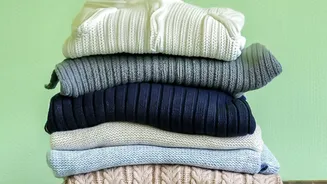
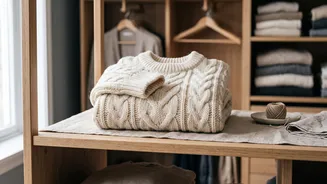
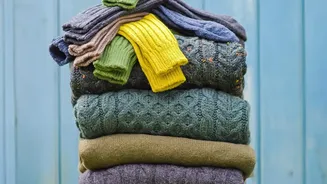
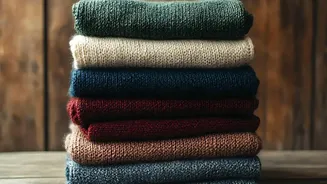
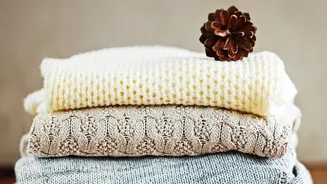
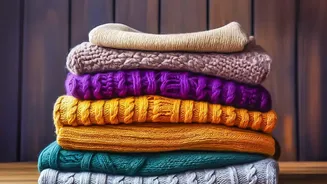
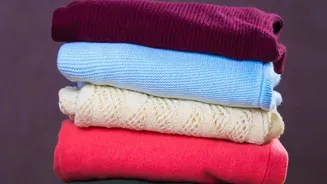
Proper storage protects your woollens during the off-season and between wears. Just as with drying, hanging is the enemy of knitwear; it causes stretching and shoulder bumps. Always fold your sweaters and store them flat in a drawer or on a shelf. Before putting them away for a long period, ensure they are completely clean. Moths and other pests are not attracted to the wool itself, but to the food stains, body oils, and sweat left on the fabric. Store your clean, dry knits in a cool, dry, and well-ventilated space. Using breathable cotton storage bags is better than airtight plastic containers, which can trap moisture and lead to mildew. For added protection against moths, you can place natural deterrents like cedar blocks or dried lavender sachets in your storage area.
Dealing with Common Wool Woes
Even with perfect care, issues can arise. Pilling, those tiny fuzz balls, occurs from friction during wear. This is normal, especially for softer wools, and not a sign of poor quality. You can easily remove them with a fabric shaver or a sweater comb—never pull them with your fingers, as this can damage the fabric. If a sweater accidentally gets stretched out, all is not lost. You can often restore its shape by re-washing it in cool water, which allows the fibres to relax and reset. Then, very carefully follow the flat-drying process, paying close attention to reshaping the garment to its correct dimensions while it is damp. For a shrunken knit, soaking it in cool water with a capful of hair conditioner can help relax the fibres, allowing you to gently stretch it back into shape before drying it flat.