







More Than Just Rain or Shine
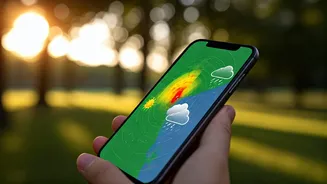
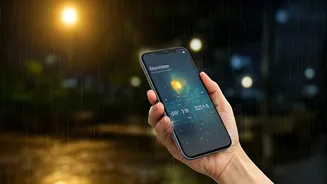
Not long ago, a weather forecast was a brief segment on the nightly news or a small box in the newspaper. Today, it’s a dynamic, hyper-personalised stream of information available at our fingertips. Modern weather apps do more than just predict rain;
they provide a suite of lifestyle metrics. Features can include air quality indexes, pollen counts, UV radiation levels, and even suggestions for the best time to go for a run. Some apps, like AccuWeather, have long integrated specific 'lifestyle lenses' for activities like hiking, gardening, or even predicting health-related impacts like migraines. This evolution from static information to active alerting and lifestyle planning represents a massive functional improvement, turning the forecast into a daily decision-making tool.
The Algorithm for Your Day
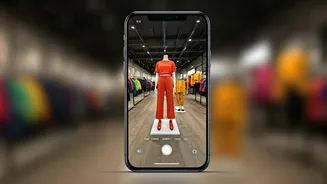
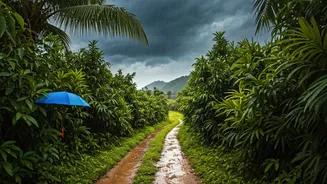
This shift isn't just about user convenience; it's a powerful business driver. Weather is a proven predictor of consumer behaviour. Knowing it will be hot and sunny allows a beverage company to time its advertisements for cold drinks perfectly. A sudden cold snap can trigger promotions for winter jackets and hot soups. This practice, known as weather-based marketing, allows brands to deliver highly relevant messages based on local conditions. In India, this is especially potent during the monsoon, when brands from snack food companies to clothing retailers tailor their campaigns around the romance and realities of the rainy season. This integration of weather data with AI allows marketers to anticipate needs and influence purchasing decisions in a way that feels intuitive and timely.
A Search for Control and Comfort
So why are we so captivated? Psychologically, humans crave predictability and a sense of control in an uncertain world. Checking the weather offers a small, comforting illusion that we can prepare for what’s ahead. This behaviour can become a ritual, a way to manage anxiety, especially in an era of increasingly extreme weather events amplified by social media. Viral videos of storms or heatwaves can heighten our personal sense of risk, prompting more frequent checking for reassurance. This constant access, gamified with pleasing animations and detailed radar maps, makes the weather app an almost addictive source of comfort, a digital anchor in our daily routine.
The Instagram-ification of Weather
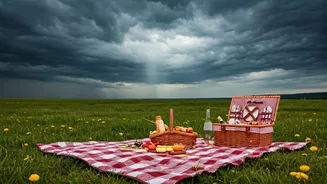
Beyond data and psychology, weather has also become an aesthetic. The ‘golden hour’ glow of a sunset isn't just a meteorological event; it's a photo opportunity with its own set of hashtags and Instagram captions. The first monsoon rains, a foggy winter morning, or a dramatic cloud formation are now content, shared and curated to create a specific mood or vibe. This trend taps into a desire to find beauty and shareable moments in the everyday. The rise of intentionally lo-fi digital cameras that produce a retro aesthetic further speaks to this desire to romanticise our surroundings, including the daily atmospheric conditions. Weather is no longer just something we experience; it’s something we frame, filter, and perform for a digital audience.