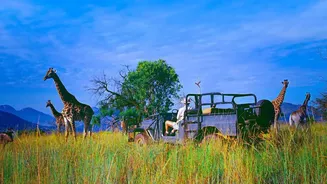



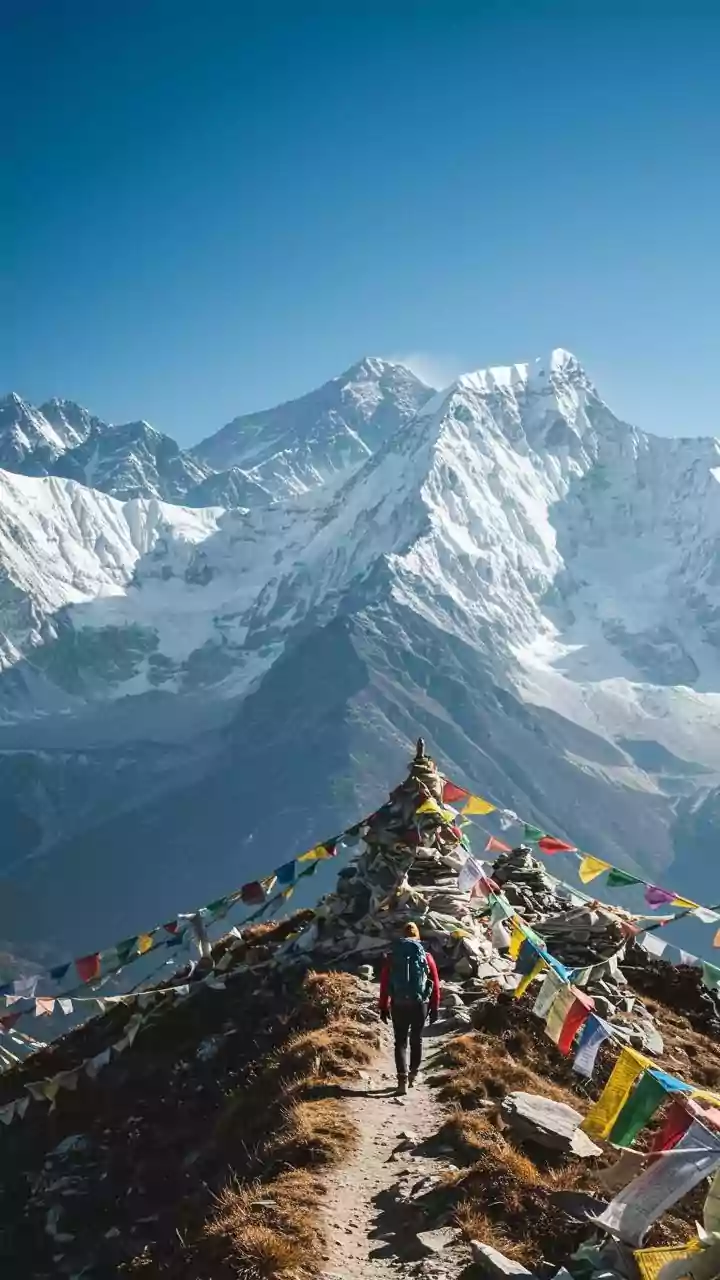
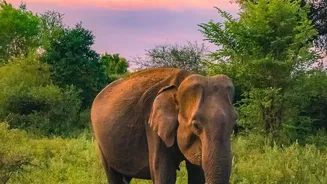
Forget crowded beaches. A new generation of young Indian travellers is trading sun and sand for the crisp, quiet magic of the wilderness, seeking adventures that are both thrilling and responsible. Winter safaris are emerging as their top choice.
A Different Kind of Adventure
The idea
of a safari in India often conjures images of dusty summer trails and a desperate search for shade. But a significant shift is underway. Adventurous young travellers are now discovering the unique allure of winter safaris. From October to March, many of India's national parks, which often close during the monsoon, reopen to a transformed landscape. The air is cooler, making for comfortable day-long explorations, the light is softer, and the post-monsoon scenery is breathtakingly lush and green. This season offers a more serene, uncrowded experience, appealing to those looking to escape the hustle and connect with nature on a deeper level. Animals, too, are often more active and visible as they bask in the pleasant winter sun.
India's Premier Winter Wilderness
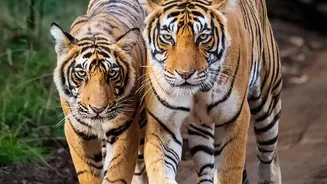
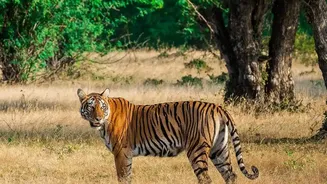
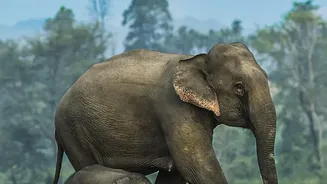
India offers a diverse canvas for the winter wildlife enthusiast. In Rajasthan, Ranthambore National Park provides a stunning backdrop of ancient forts and lakes, where tigers are often spotted in the clear winter light. Uttarakhand's Jim Corbett, the country's oldest national park, is another favourite, with its misty mornings and opportunities to see tigers, elephants, and a vast array of birds. For those seeking something different, Kaziranga in Assam is the prime destination to see the great one-horned rhinoceros in its grassland habitat, a park that is practically only accessible in winter. In Madhya Pradesh, parks like Bandhavgarh and Kanha are famous for their high tiger densities and beautiful sal forests. And for a truly unique experience, the Sundarbans in West Bengal offers boat safaris through the world's largest mangrove forest to spot the elusive swimming tigers.
The Rise of Conscious Travel
This trend isn't just about pretty pictures; it's rooted in a growing desire for sustainable travel. Young Indians are increasingly aware of their environmental footprint. A 2025 survey revealed that 82% of Indian tourists prioritise sustainability when planning trips. Winter safaris align perfectly with this mindset. The off-peak timing means fewer tourists, which reduces the strain on local ecosystems and infrastructure. It provides a vital source of income for local communities during what would otherwise be a quieter season, making tourism a more stable, year-round industry. This shift supports a model of ecotourism where conservation and community welfare are paramount, moving beyond mere sightseeing to create a positive impact.
An Experience for the Bold
A winter safari is not a passive holiday. It demands a spirit of adventure. Mornings can be bitingly cold, requiring layered clothing and a certain hardiness. But for the young traveller, the rewards are immense. The challenges are part of the appeal—the thrill of tracking an animal in the crisp air, the silence of a forest blanketed in mist, and the chance to capture stunning photographs in the golden morning light. It's an immersive experience that feels more authentic and earned. Destinations like Periyar in Kerala or Satpura in Madhya Pradesh even offer experiences beyond the jeep, such as guided walks and canoe safaris, allowing for a quieter, more intimate connection with the wild.