



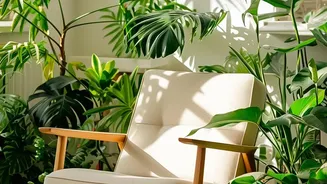
For Sun-Drenched Spots: Bright-Light Plants
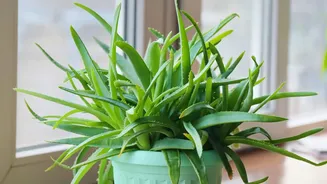
Areas that receive several hours of direct or strong, filtered sunlight are perfect for plants that love to bask in the glow. These spots are often near south or west-facing windows and on balconies. One excellent choice is the Aloe Vera, a succulent
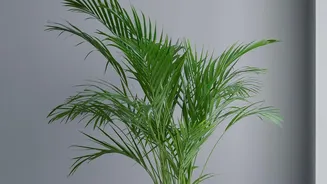
known for its medicinal properties and love of bright conditions. It's a must-have in many Indian homes, valued for the soothing gel in its leaves. It requires well-drained soil and should only be watered when the soil is completely dry, making it quite forgiving. Another great option for a sunny windowsill is the Jade Plant. Often considered a symbol of good luck, this succulent has thick, glossy leaves and thrives on neglect, perfectly suited to warm Indian summers. For those with a bright indoor spot, the Areca Palm is a classic choice, known for its elegant, feathery fronds that add a tropical feel and help humidify the air. It does best in bright, indirect light rather than scorching direct sun.
The Versatile Middle: Medium-Light Plants
Medium-light areas are the most common in apartments. These are spaces that are bright but don't receive direct sun, such as a spot a few feet away from a window or in a room with an east-facing window. The quintessential Indian houseplant, the Money Plant (Pothos), is a star performer in these conditions. It's incredibly resilient, can grow in soil or just water, and its trailing vines look beautiful on shelves or in hanging baskets. Another fantastic choice is the Spider Plant, with its arching leaves and baby 'spiderettes' that dangle from the mother plant. It's easy to maintain and is known for being a great air purifier. The Peace Lily also thrives in medium to low light, offering the bonus of elegant white blooms. It's an excellent communicator, as its leaves will visibly droop when it needs water, taking the guesswork out of its care routine.
For Dimmer Corners: Low-Light Plants
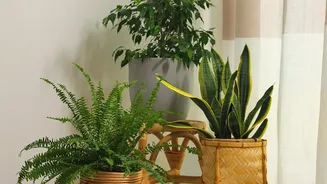
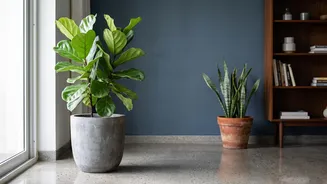
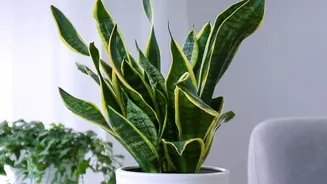
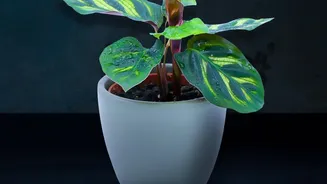
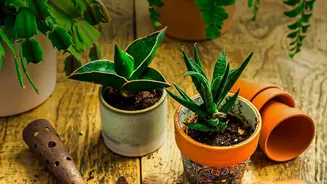
Every apartment has them: a dim hallway, a corner far from any window, or a north-facing room that gets minimal natural light. These spots are perfect for some of the hardiest plants available. The Snake Plant, also known as mother-in-law's tongue, is nearly indestructible. It tolerates very low light and infrequent watering, and is celebrated for its ability to release oxygen at night, making it a popular choice for bedrooms. Equally tough is the ZZ Plant (Zamioculcas zamiifolia). Its wide, dark, glossy leaves give it a modern look, and it thrives on neglect, storing water in its underground rhizomes, which means it can go weeks without a drink. Finally, the Chinese Evergreen (Aglaonema) is a beautiful option that brings colour to shady spots with its patterned leaves. It's very forgiving and adapts well to a variety of indoor environments.
Essential Care Tips for Urban Gardeners
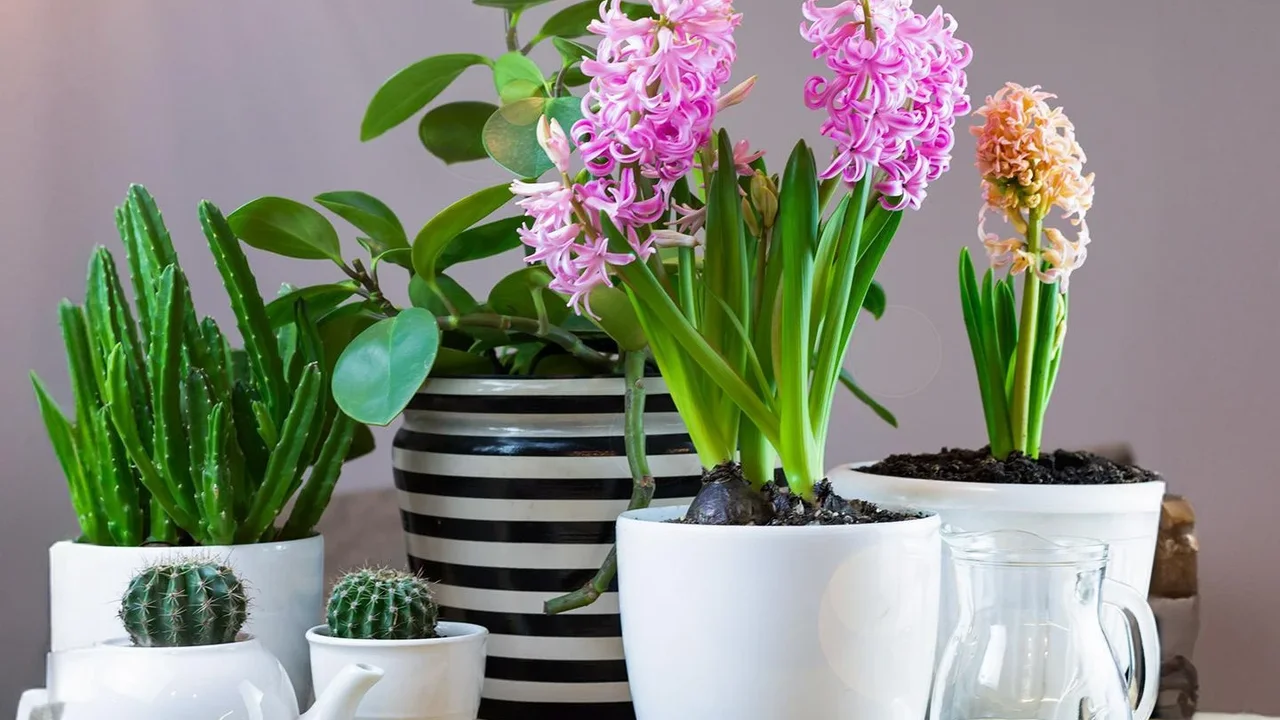
Regardless of the plant you choose, a few basic principles will help your indoor garden thrive. The most common mistake is overwatering, which can lead to root rot. Always check the soil before watering; a good rule of thumb is to stick your finger an inch or two into the soil. If it feels dry, it's time to water. If it's still moist, wait a few more days. Ensure all your pots have drainage holes to allow excess water to escape. While light is crucial, even low-light plants need some natural light to survive. A plant that shows signs of struggle, like yellowing leaves, might be getting too much or too little light or water. Pay attention to these signals, as your plants will often tell you what they need. Don't be afraid to move a plant to a different spot to see if it does better. Starting with one or two easy-care plants is a great way to build confidence on your indoor gardening journey.