




The Renewed National Focus
The latest chapter in India’s fight against malnutrition is unfolding under Mission Poshan 2.0, an umbrella initiative designed to streamline and amplify nutritional support for children, adolescent girls, pregnant women, and lactating mothers. This September
marks a particularly focused effort with the launch of the 9th Rashtriya Poshan Maah (Nutrition Month). This year's campaign places a special emphasis on dietary diversity and the importance of protein-rich foods, moving the conversation from mere quantity to the quality of what is on a child's plate. With themes that champion community leadership in Anganwadis, the goal is to make holistic nutrition a grassroots movement, ensuring every child receives a foundation for healthy growth.
Beyond a Full Stomach
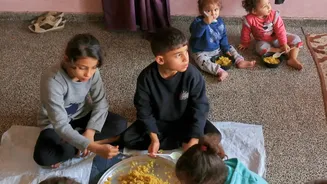
Malnutrition in India presents a complex picture. While calorie sufficiency is a goal, the bigger challenge is often micronutrient deficiency, also known as 'hidden hunger'. This is a lack of essential vitamins and minerals like iron, zinc, and Vitamin A that are vital for development. Studies show a vast number of Indian children suffer from these deficiencies, which can lead to severe consequences: stunted growth, reduced cognitive function, poor immunity, and a higher risk of illness. A diet heavily reliant on cereals like rice and wheat can fill a child's stomach but leave them critically deficient in these building blocks for a healthy life. Research confirms a strong link between dietary diversity and a child's physical and cognitive growth, proving that variety is not a luxury but a necessity.
Decoding a 'Diverse' Diet
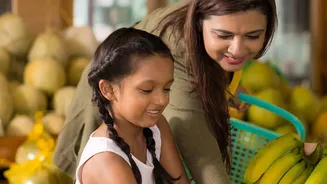
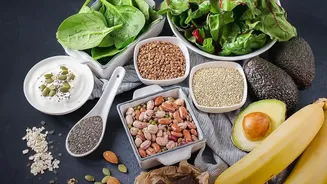
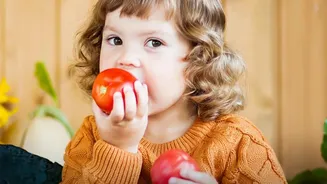
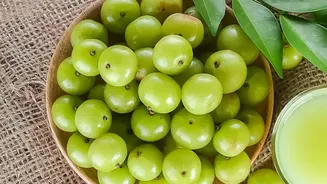
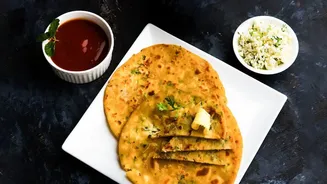
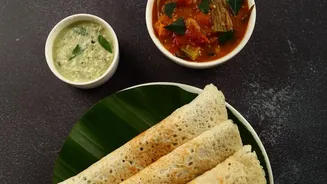
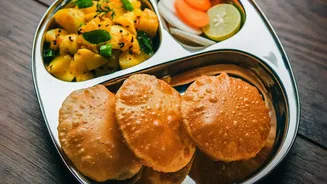
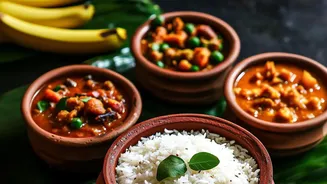
So, what does a diverse diet look like? Nutritionists categorise foods into five main groups, each providing a unique set of nutrients that no single group can offer alone. These are: Grains (like rice, wheat, and millets) for energy; Fruits and Vegetables for essential vitamins, minerals, and fibre; Protein Foods (like dals, legumes, eggs, and dairy) for growth and repair; and Dairy (milk, curd, paneer) for calcium and protein. The current Poshan Maah specifically spotlights protein from both plant and animal sources, encouraging the inclusion of pulses, nuts, seeds, milk, and eggs in daily meals. The goal is to create a 'rainbow plate' where different colours represent different nutrients, making it easier for parents to ensure their children are getting a wide array of what their growing bodies need.
Overcoming Real-World Hurdles
Encouraging dietary diversity is not without its challenges. For many families, affordability is a major barrier, with some reports suggesting over 75% of Indians cannot afford a diet that meets nutritional recommendations. Nutrient-dense foods like fruits, vegetables, and pulses are often more expensive than subsidised cereals. Cultural food habits, which often favour high-carbohydrate meals, also play a significant role. In rural areas, access to a wide variety of fresh produce can be limited by seasonality and market availability. Addressing these deep-seated economic and social challenges requires a multi-pronged approach involving policy support, strengthening supply chains, and consistent community-level awareness to make nutritious and diverse food an easy and affordable choice for all.
A Foundation for the Future
The focus on diverse food groups is more than just a health campaign; it's an investment in India's future. A well-nourished child is more likely to perform well in school, have better immunity, and grow into a productive adult. The shift from calorie-centric thinking to nutrient adequacy is a critical step. While government schemes like Poshan 2.0 and the Mid-Day Meal scheme lay the groundwork, the real change begins in our kitchens. By consciously incorporating different food groups into daily meals—adding a seasonal fruit, including a handful of legumes, or ensuring a serving of green vegetables—parents and caregivers can directly combat hidden hunger. Simple changes, when adopted by many, can collectively build a stronger, healthier generation.