

The Rise of the Robot Stylist
The promise of algorithmic fashion is one of ultimate convenience. Companies and apps use powerful AI to analyse vast amounts of data—your past purchases, what you click on, what’s trending globally, and even the weather. The goal is to create a frictionless
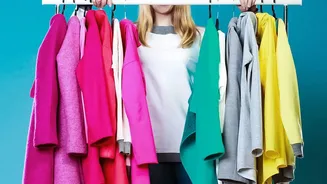
shopping experience. These systems digitise your closet by having you upload photos of your clothes, learn your preferences through quizzes and feedback, and then generate specific outfit recommendations. This turns your wardrobe into a structured, searchable database. The market for AI-based personal styling is booming, projected to grow from millions to billions by 2035, with hundreds of millions of users already on board. For many, it solves the problem of “a closet full of clothes and nothing to wear,” offering instant suggestions without the time or cost of hiring a person.
When the Code Gets It Wrong
But for all their data-driven prowess, algorithms have significant blind spots. A common criticism is that they can lead to a sense of sameness, or what some call “algorithmic homogenization”. Because algorithms are trained on past data and popular engagement, they often recommend what’s safe, predictable, and trending, rather than what is truly individual. This can create a feedback loop where you're shown slightly different versions of the same styles, discouraging experimentation. More importantly, an algorithm cannot understand the emotional and cultural nuances behind fashion. It doesn’t know if you're dressing for a job interview or a difficult family dinner; it can’t feel the mood and poetry behind a style choice. This lack of emotional intelligence is the fundamental gap that data alone cannot fill.
The Enduring Value of a Real Person
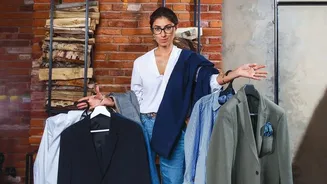
This is precisely where the human personal stylist is finding renewed relevance. While an AI can analyse your past, a human stylist can understand your future aspirations. They build relationships, offer empathy, and provide the kind of creative push that encourages genuine self-expression. A stylist can read body language, understand insecurities, and help build confidence in a way that an app cannot. They engage in a dialogue, interpreting not just what you say you want, but what you might not know how to ask for. This human element—the ability to connect, story-tell, and offer intuitive guidance—is becoming a premium service in an increasingly automated world. It’s the difference between a recommendation and a conversation.
Better Together: AI as a Co-Pilot
The future of styling may not be a case of 'human versus machine', but rather 'human with machine'. Forward-thinking stylists are now embracing AI as a powerful assistant, not a replacement. They use technology to handle the time-consuming tasks: cataloging a client's wardrobe, analysing their purchasing data, and even generating initial outfit ideas. This frees up the stylist to focus on the high-value, human-centric parts of their job: developing a personal connection, providing nuanced advice, and adding a layer of creative vision. Platforms are emerging that are designed specifically for this hybrid model, allowing stylists to serve more clients more efficiently while deepening the quality of their consultations. In this model, AI provides the data-driven foundation, but the human stylist builds the house.