





The Slow Decline of the Classic CV
Let’s be honest: the headline is a bit dramatic. Text resumes aren’t 'dead' so much as they are on life support, kept breathing by legacy application systems. The problem is twofold. First, most resumes are initially read not by a human, but by an Applicant
Tracking System (ATS). These bots scan for keywords, reducing your carefully crafted experience into a simple match/no-match score. They miss nuance, context, and potential. Second, even when your resume reaches a human recruiter, it’s one of hundreds. It’s a passive document that lists what you *claim* you can do, but it doesn't *show* it. In a world where skills are more important than job titles, this is a critical weakness.
What Recruiters Actually Want to See
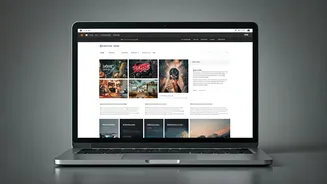
Hiring managers are time-poor and risk-averse. They want to hire someone who can solve their problems from day one. A web portfolio gives them exactly that: proof. Instead of reading a bullet point that says “Managed social media campaigns,” they can click a link and see the campaign itself—the creative, the data, the results. For a developer, it’s seeing their code on GitHub. For a designer, it’s a gallery of their work on Behance or a personal site. For a writer, it’s a collection of published articles. An interactive portfolio closes the gap between claiming a skill and demonstrating it. It’s the ultimate ‘show, don’t tell’ career tool, and it gives recruiters the confidence to move you to the top of the pile.
Your Portfolio: The Centre of Your Brand
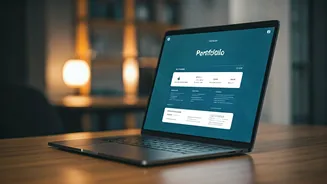
Think of a web portfolio not just as a resume, but as the central hub for your professional brand. It’s the one space online that you completely own and control. Unlike a LinkedIn profile, you dictate the design, the narrative, and the user’s journey. You can embed videos, link to projects, showcase testimonials, and write a bio that truly captures your personality and professional philosophy. This isn’t just about vanity; it’s about strategic positioning. When a recruiter Googles your name—and they will—your personal portfolio should be the top result, presenting the exact version of you that you want them to see. It’s your professional story, told on your own terms.
The Essential Elements of a Great Portfolio
Building a portfolio doesn't have to be complicated. A great one is focused, clean, and easy to navigate. It should include four key components. First, a compelling 'About Me' section with a professional photo and a concise bio that explains who you are and what you do. Second, your 'Work' or 'Projects' section. This is the core of the portfolio. Showcase 3-5 of your best projects, and for each one, briefly explain the problem, your role, the process, and the outcome. Use visuals! Third, a clear 'Contact' page with your email, a link to your LinkedIn profile, and any other relevant professional networks. Finally, make it mobile-friendly. Most recruiters will view it on their phones.
Simple Tools to Build Yours Today
The technical barrier to creating a portfolio is lower than ever. You don’t need to be a coder. For a simple, elegant one-page site, platforms like Carrd are fantastic and incredibly easy to use. For more flexibility with templates and features, services like Squarespace, Wix, or Webflow are excellent choices. If you’re a writer, platforms like Journo Portfolio or even Substack can work. For designers and visual artists, Behance and Dribbble are industry standards. For developers, a well-organised GitHub profile can function as a powerful portfolio on its own. The key is to pick a tool that fits your skill level and industry, and just start. A simple, completed portfolio is infinitely better than a complex, unfinished one.