









The Fresh Vegetable Bill
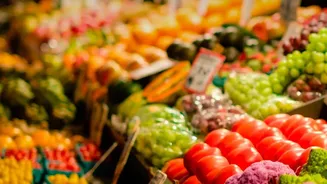
Vegetables form the vibrant core of most Indian meals, but their prices are often the most volatile. As of mid-October 2026, key staples like onions, potatoes, and tomatoes show significant variation across major cities. In Mumbai, for instance, retail
prices for onions have been hovering around ₹77-91 per kg, while tomatoes are approximately ₹42-49 per kg. Meanwhile, in other metro areas, similar fluctuations are evident, with potato prices remaining relatively stable, a rare exception in the current market. Data from October 12 shows overall retail prices for vegetables in cities like New Delhi and Mumbai can range anywhere from ₹40 to over ₹200 per kg, depending on the item. This wide range is driven by seasonal availability, transportation costs, and local supply chain efficiencies. An uneven monsoon has also impacted crop yields, directly affecting market arrivals and putting pressure on household budgets.
The Pulse of the Nation: Dal Prices
Dal is the primary protein source for millions, making its price a kitchen-table issue. Recent data shows a steady climb in the cost of most pulses. In Mumbai's wholesale markets, prices for major dals have risen by ₹10-20 per kg in recent weeks, translating to a ₹20-30 per kg increase for retail consumers. Toor dal has seen one of the sharpest hikes, with average retail prices nationally reaching around ₹129 per kg, and even higher in metros like Mumbai and Delhi, at ₹140-145 per kg. In Telangana, toor dal prices rose from ₹126 to ₹143 per kg between September and October alone. This surge is attributed to a combination of factors, including supply shortages from a deficient monsoon, higher logistics costs, and festive season demand. Even government-subsidised options like 'Bharat Dal' are part of the strategy to make pulses more affordable for consumers.
The Foundation: Rice and Grains
Rice and atta (wheat flour) are the foundational staples of the Indian diet. While often more stable than vegetables, their prices have not been immune to inflationary pressures. Across Karnataka, a dry spell has pushed the price of popular rice varieties like Sona Masuri up to around ₹80 per kg, with Basmati climbing to ₹140 per kg. In Telangana, fine rice varieties that sold for around ₹70 are now touching ₹80-82 per kg. Nationally, the average price of regular rice has seen a nearly 12% rise over the past year to about ₹47 per kg. This increase is largely due to a decline in the area under cultivation and an uneven monsoon, which has tightened supply even before the new crop arrives in markets. Millers and traders, anticipating lower yields, have pushed procurement prices higher, a cost that is inevitably passed on to the consumer.
The Dairy Dilemma
Milk, paneer, and curd are daily essentials that have also seen a steady price increase. In cities like Bangalore, a litre of milk costs around ₹56, while paneer is priced near ₹378 per kg as of early October 2026. In Gurgaon, milk is slightly higher at ₹61 per litre, with paneer at ₹372 per kg. These prices reflect rising input costs, particularly for cattle feed, which have jumped 15-20% compared to last year. Dairy companies have passed these costs on to consumers through multiple price hikes in recent months. The ripple effect is felt not just in liquid milk but also in related products like ghee, which has seen significant price jumps in both Bangalore and Gurgaon. Experts note that even the flush season, which typically sees prices soften, may not bring much relief this year due to weaker supplies and strong festive demand.
Behind the Rising Bill
The price you pay at the local market is the final step in a long and complex journey. Recent data confirms that food inflation is a major driver of rising costs, hitting 7.74% in September 2026. This isn't just a simple case of supply and demand. Factors like adverse weather conditions, including a deficient monsoon and the El Niño effect, have significantly impacted crop production. Furthermore, increased transportation costs, fueled by higher energy prices, add to the final price of everything from vegetables to dals. Government bodies like the Department of Consumer Affairs constantly monitor the prices of 22 essential commodities to track these trends and inform policy, but global and local pressures continue to challenge household budgets across urban India.