




Embrace Multi-Functionality
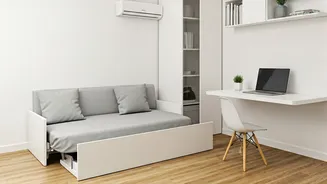
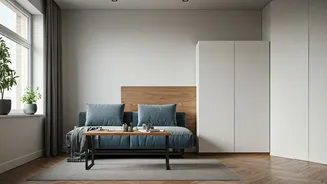
The golden rule of small-space living is to make your furniture work harder. A single piece should serve multiple purposes. Think of a sofa that transforms into a bed for guests, a coffee table with a top that lifts to become a dining or work surface,
or an ottoman that provides extra seating while hiding blankets and magazines inside. In India, where homes are often hubs for family and work, this flexibility is key. An extendable dining table can be compact for daily meals but expand to welcome guests, while a Murphy bed can fold away to turn a bedroom into a home office or yoga space during the day. This approach isn't just about saving space; it’s about creating a dynamic environment that adapts to your needs.
Think Vertically
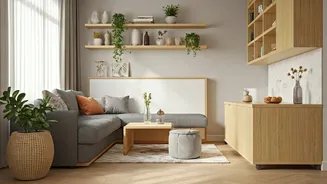
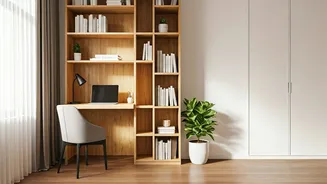
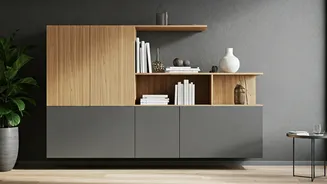
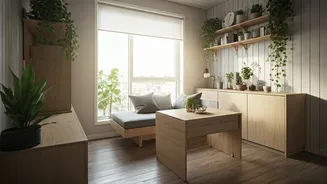
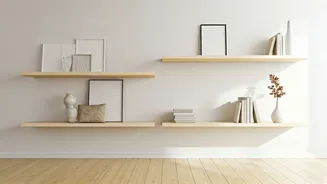
When you can't build out, build up. Your walls are some of the most underutilised assets in a small home. Drawing the eye upward creates an illusion of height and spaciousness. Install floating shelves or tall, narrow bookcases to display decor and store books without taking up floor space. In the kitchen, wall-mounted racks can hold utensils and spices, freeing up precious counter space. Consider hanging plants or using vertical light fixtures to further emphasize the room’s height. Even hanging curtains higher and wider than the window frame can make the window, and the entire room, feel much larger.
Master the Art of Light and Reflection
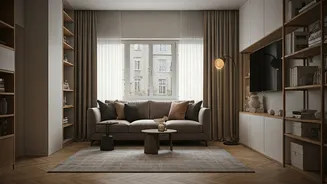
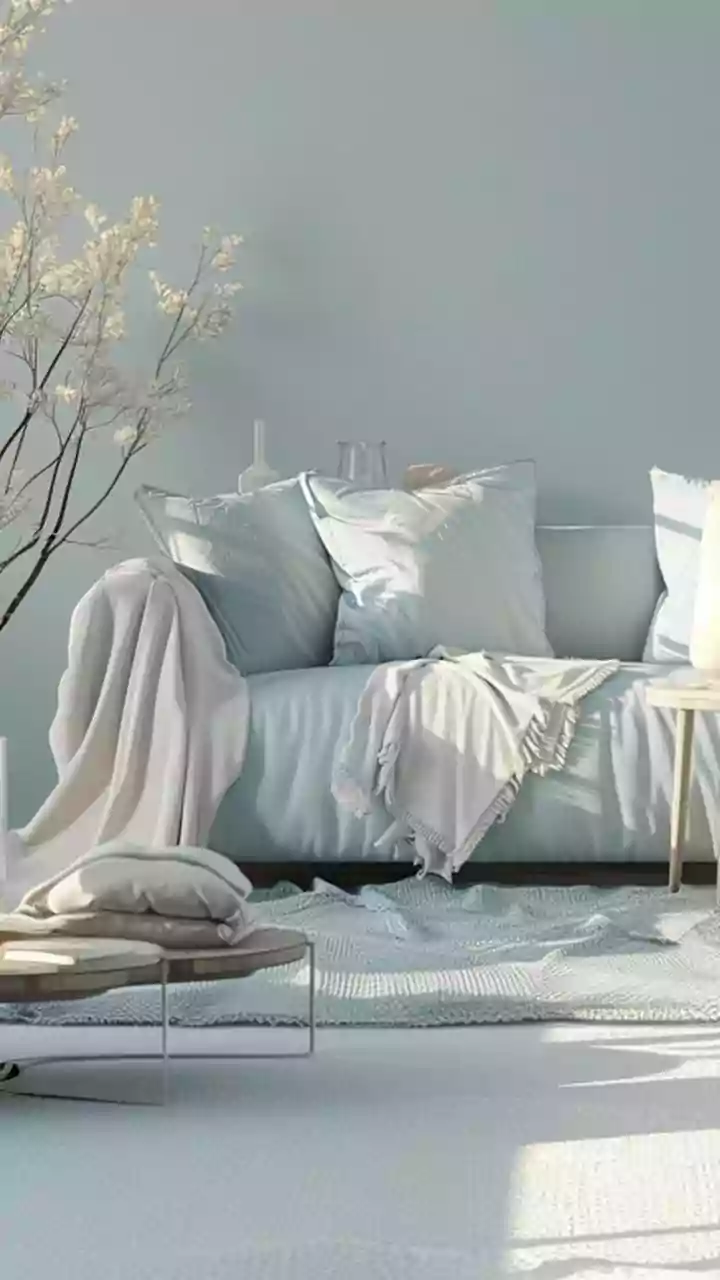
Light is your best friend in a small home. Maximise natural light by using sheer, lightweight curtains instead of heavy drapes, allowing sunlight to flood the space. For colours, stick to a lighter, neutral palette of whites, beiges, and soft pastels, which reflect light and make walls seem to recede. This doesn’t mean your home has to be boring; you can use darker colours as accents. Mirrors are another powerful tool. A large mirror placed opposite a window can double the amount of light and create a sense of depth, tricking the eye into seeing a larger room. Glossy finishes on furniture and cabinets also help bounce light around the space.
Choose Furniture with a Lighter Footprint
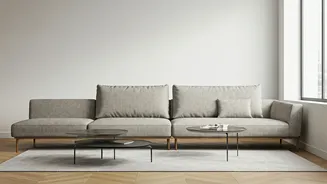
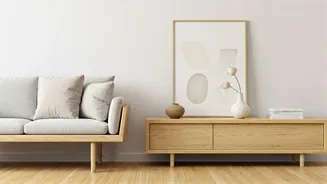
The physical and visual weight of your furniture matters. Avoid bulky, heavy pieces that sit directly on the floor. Instead, opt for furniture with visible legs, like sofas and cabinets raised on slender legs. This allows you to see the floor underneath, which creates a sense of openness and makes the room feel less crowded. Similarly, transparent furniture made of glass or acrylic can work wonders. A glass coffee table or clear console table provides a functional surface without visually cluttering the space, making them seem to almost disappear.
Create Zones, Not Walls
In many modern apartments, the living, dining, and kitchen areas are combined into one open space. Instead of putting up walls, which would chop up the area and make it feel smaller, use design tricks to create distinct functional zones. A well-placed area rug can define a seating area in the living room. A console table behind a sofa can create a subtle division between the living and dining spaces. You can also use furniture grouping, lighting, and even plants to signal a change in function without creating physical barriers. This approach maintains an open, airy feel while ensuring every part of your home has a clear purpose.
Prioritise Smart, Hidden Storage
Clutter is the enemy of a small space. Thoughtful storage is less about having more closets and more about integrating storage seamlessly into your home. Look for opportunities in overlooked spaces, like under the bed or behind doors. Beds with built-in drawers or hydraulic lifts are perfect for storing seasonal clothing and extra linens. In the kitchen, use drawer dividers and pull-out racks to keep everything organised and accessible. The goal is to keep surfaces clear and create a clean visual line, which automatically makes any room feel calmer and larger.