


The Challenge of Capturing Darkness
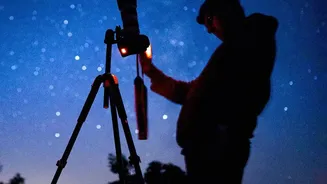
The fundamental problem with night photography is a lack of light. Traditional cameras solve this with large sensors and lenses to physically gather more light, often requiring long exposure times and a tripod to prevent blur. Smartphone cameras, with their
tiny sensors, face a significant physical disadvantage. A long exposure on such a small sensor would typically result in a noisy, grainy mess, as the sensor struggles to differentiate between faint starlight and its own electronic interference.
The Power of Computational Photography
Instead of fighting the physical limitations, phones outsmart them using computational photography. This is a broad term for techniques that use digital processing to enhance images beyond what the lens and sensor alone could achieve. Rather than taking one long, risky exposure, your phone’s astrophotography or night mode takes a different approach: it captures a rapid burst of many shorter exposures over several seconds, or even minutes for dedicated astro modes.
Image Stacking: Building a Cleaner Picture
This burst of photos is where the real work begins. The phone's processor uses a technique called image stacking. It meticulously aligns every single frame, compensating for the slight wobble of your hand or the rotation of the Earth. Then, it averages them together. Because the light from a star is constant but the electronic noise in each frame is random, averaging them cancels out the noise. The consistent details—the stars—shine through, while the grainy interference effectively disappears, resulting in a single, much cleaner and sharper image.
The AI Art Director
This is where Artificial Intelligence elevates the entire process. AI isn't just managing the stacking; it's acting as an intelligent director for the whole shot. A key technique is semantic segmentation, where the AI identifies every part of the image—the sky, a tree, a building, a person. By understanding what it's looking at, the AI can apply different processing to each element. It can brighten the sky without overexposing the foreground, sharpen the details on a tree, and reduce noise specifically in the dark areas, all within the same photo.
Intelligent and Contextual Adjustments
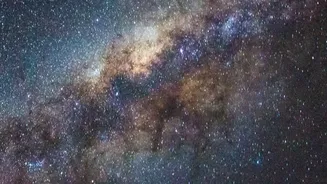
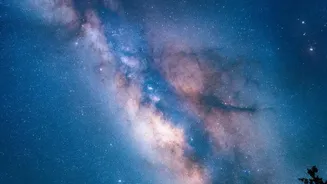
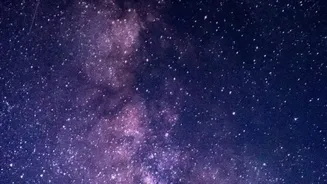
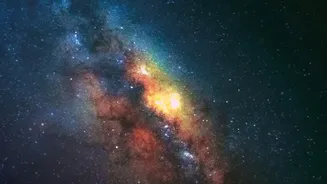
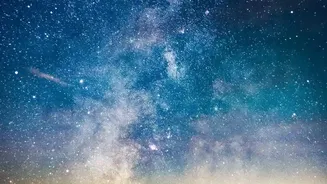
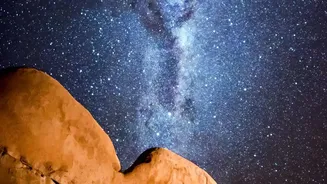
The AI's job continues with intelligent adjustments to colour and tone. Trained on vast datasets of professionally edited photographs, the AI has learned what makes a night sky photo look good. It will subtly enhance the colour of constellations, ensure the sky is a deep black, and balance the overall exposure for a dramatic yet natural-looking result. Some phones, like Google's Pixel, have specific astrophotography modes that will automatically engage when the phone is on a tripod and pointed at the sky, taking exposures for up to four minutes to capture incredible detail of the Milky Way.
A Symphony of Hardware and Software
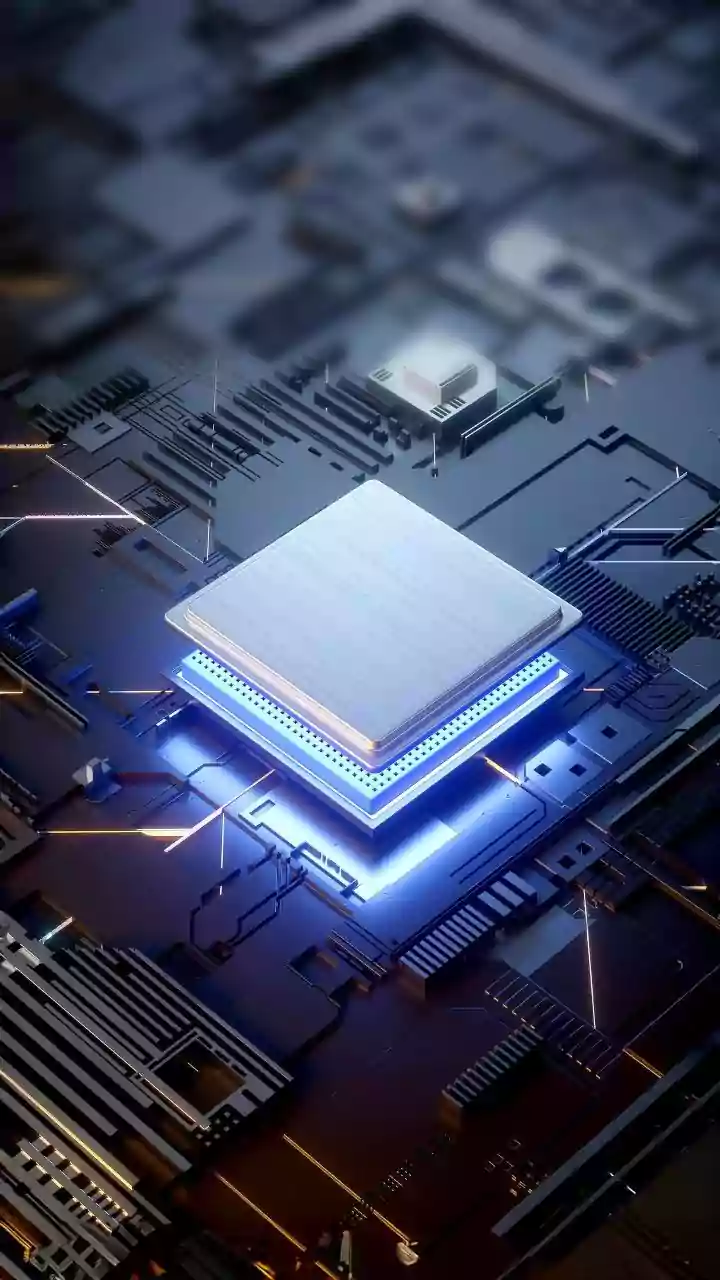
This entire complex process happens in the few seconds after you press the shutter button. It's made possible by the powerful, custom-built processors inside modern smartphones, such as Apple's Neural Engine or Google's Tensor chip. These chips are specifically designed to handle the massive calculations required for machine learning and AI tasks, enabling features that were pure science fiction just a few years ago. The final image you see is less a single snapshot and more a computationally reconstructed masterpiece, a perfect blend of advanced optics, powerful hardware, and incredibly smart software.