




The Search for Lost Stars
For many young Indians who have grown up in urban environments, a truly dark, star-filled night is a rare and almost mythical sight. The constant glow from streetlights, buildings, and advertising creates a phenomenon known as 'skyglow', which can obscure
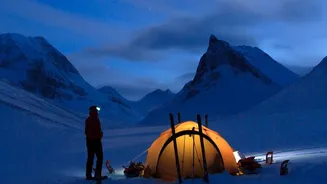
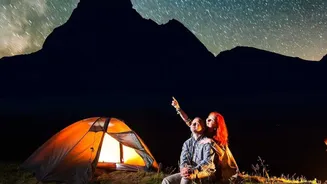
all but the brightest celestial objects. Research shows that over 80% of the world's population lives under light-polluted skies, a figure that is acutely felt in India's rapidly growing metropolises. This disconnection from the cosmos has sparked a counter-movement. Tired of the same crowded tourist spots, a growing number of travellers are now seeking out remote locations not for beaches or monuments, but for darkness. This trend, known as astrotourism or dark-sky tourism, is about travelling to see the night sky in its pristine, natural state.
What is a Dark-Sky Sanctuary?
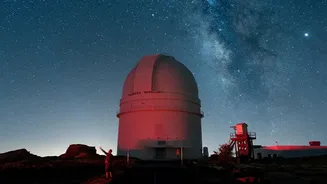
A dark-sky sanctuary is a designated area with exceptionally dark and starry nights, protected for scientific, natural, and cultural heritage purposes. These locations are often remote and have minimal artificial light. The International Dark-Sky Association (IDA) is a global body that certifies these locations to encourage their preservation. In December 2022, India established its very first Dark Sky Reserve in Hanle, Ladakh, located within the Changthang Wildlife Sanctuary. Situated at a high altitude with a dry climate and clear skies, Hanle is home to the Indian Astronomical Observatory and is considered one of the best stargazing sites in the world. The reserve aims to control light pollution to protect the site for astronomical research while also developing sustainable tourism.
The Rise of the Conscious Traveller
The increasing interest in astrotourism is directly linked to a broader shift in travel mindsets, particularly among younger generations. Sustainability is no longer a niche concern; it's a key factor in travel decisions. Surveys indicate that a vast majority of Indian travellers, around 88%, consider sustainability important when making their plans. This conscious approach means travellers are more aware of their environmental and social impact. They are increasingly avoiding overcrowded destinations and seeking out experiences that feel more authentic and purposeful. For many, this includes ensuring their tourism spending directly benefits local communities, a core tenet of sustainable travel. Dark-sky tourism aligns perfectly with these values. It's a low-impact activity that thrives in remote areas, offering opportunities for community-based enterprises like homestays and local guides.
More Than Just an Instagram Post
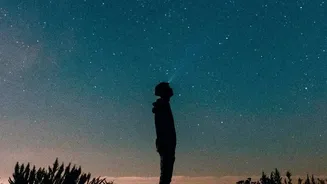
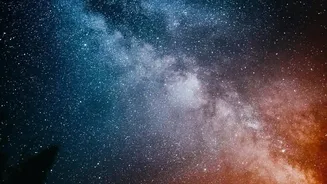
While the desire to capture a stunning photo of the Milky Way is certainly a draw, the motivation for young Indians runs deeper. Astrotourism offers a powerful antidote to a hyper-connected, screen-saturated life. It's a chance for a digital detox, a moment of quiet reflection, and an opportunity to reconnect with the natural world on a grand scale. Staring into the vastness of the universe can provide a profound sense of perspective and awe, an experience many find restorative. The recent successes of India's space program, including the Chandrayaan missions, have also fuelled a mainstream curiosity about the cosmos. This has transformed a once-niche hobby into a fast-growing travel segment, with tour operators reporting a significant spike in interest for stargazing trips and workshops.
India's Emerging Celestial Havens
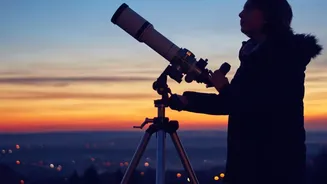
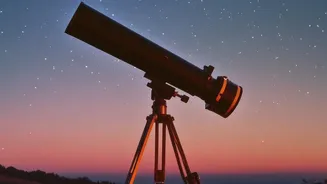
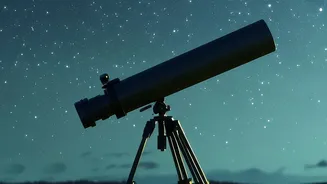
Hanle in Ladakh is the crown jewel of India's astrotourism circuit, with visitor numbers surging since its designation as a Dark Sky Reserve. The local community is deeply involved, with trained 'Astronomy Ambassadors' guiding tourists with telescopes. But the movement is spreading. The governments of states like Uttarakhand have also begun promoting astro-tourism attractions. Other potential dark-sky locations are emerging in the deserts of Kutch, the forests of Madhya Pradesh's Pench Tiger Reserve, and the cold valleys of Spiti. These destinations offer a unique blend of nature, adventure, and celestial wonder, away from the commercial glare of mainstream tourism. The challenge, however, will be to manage this growing interest sustainably, ensuring that the very darkness these tourists seek is preserved for generations to come.