



Why Authenticity Matters
In a country that produces and consumes a vast amount of tea, it's no surprise that adulteration is a concern. The Food Safety and Standards Authority of India (FSSAI) has often highlighted issues like the use of artificial colours, exhausted (used) tea leaves
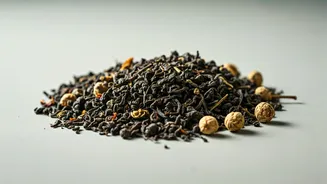
that are re-dried and coloured, and even the addition of substances like iron filings or roasted cashew shells to increase weight and volume. These adulterants not only cheat you of the genuine flavour and aroma but can also pose health risks. Authentic tea, on the other hand, delivers the complex flavour profiles developed through specific soil, climate, and processing methods. Choosing genuine blends means choosing better taste, a richer aroma, and peace of mind.
Know Your Major Indian Teas
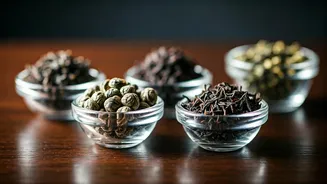
India's geography gives us a stunning variety of teas. Understanding the basics of the big three is the first step in spotting fakes. Darjeeling: Known as the 'Champagne of Teas', it's grown in the Himalayan foothills. It’s light-bodied, with a floral aroma and a distinct 'muscatel' flavour—a fruity, grape-like note. Authentic Darjeeling is never overly strong or bitter. Assam: From the lush Brahmaputra Valley, Assam tea is the backbone of most strong 'masala chai' blends. It's known for its robust, full-bodied, and malty character, brewing a deep amber or reddish-brown liquor. Nilgiri: Grown in the Blue Mountains of South India, this tea is bright, brisk, and fragrant. It has citrus and floral notes and is less bitter, making it exceptionally good for iced tea as it doesn't go cloudy when cooled.
Visual Clues: Reading the Dry Leaves
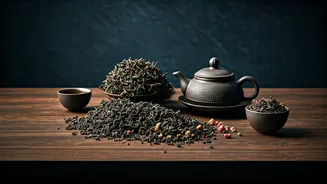
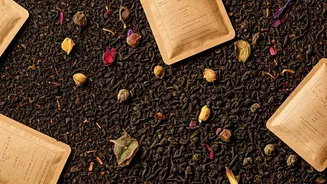
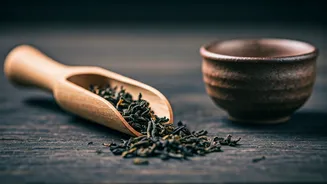
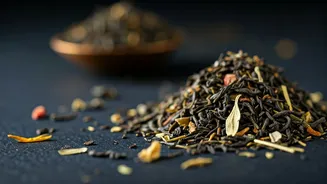
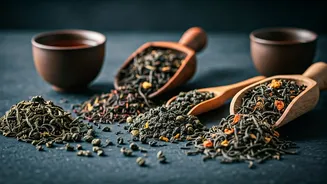
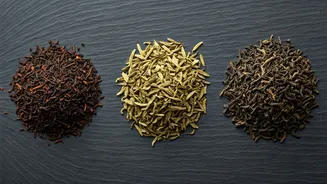
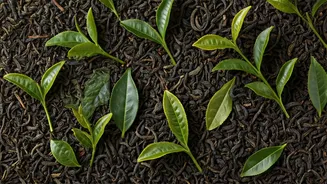
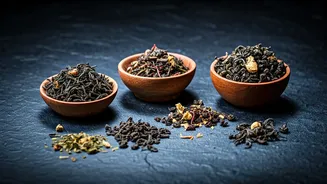
Before you even brew, the dry leaves can tell you a lot. Look for uniformity in size and shape. High-quality orthodox teas will have whole, wiry, or well-rolled leaves, not a dusty powder. For Assam tea, this means granular, crisp particles. For Darjeeling, you might see a mix of greens and browns with silver or golden tips—the small, unopened buds that indicate high quality. Be wary of leaves that look unnaturally dark, glossy, or uniformly black, as this could be a sign of added colour. Another red flag is an exceptionally low price; genuine single-origin teas cost more to produce than adulterated varieties sold for as low as ₹80-₹120 per kilogram.
Simple Tests You Can Do at Home
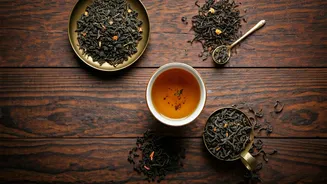
The FSSAI and other tea associations recommend a few simple tests to check for common adulterants. The Cold Water Test: This is the easiest way to spot artificial colours. Add a spoonful of tea leaves to a glass of cold or room-temperature water. Pure tea leaves will release colour very slowly. If the water immediately turns orange-red or any other dark shade, the leaves have likely been treated with artificial dyes. The Paper Test: Sprinkle some tea leaves on a piece of white filter paper or a tissue and spray a little water on them. Remove the leaves and examine the paper. Unadulterated leaves will leave behind little to no stain, whereas leaves with added colour will leave a distinct stain on the paper. The Magnet Test: To check for iron filings, spread some tea leaves on a plate and run a magnet just above them. If you see black particles sticking to the magnet, your tea has been contaminated.
Decoding the Packaging and Labels
Reputable brands will provide clear information. Look for the Tea Board of India logo, which certifies authenticity. For regional specialities, look for the Geographical Indication (GI) tags for Darjeeling, Assam, and Nilgiri. These logos guarantee the tea was grown and processed in that specific region according to set standards. The packaging should also mention the estate or garden name, the 'flush' (harvest season, like 'First Flush' or 'Second Flush,' which have different flavour profiles), and the leaf grade (e.g., SFTGFOP for Super Fine Tippy Golden Flowery Orange Pekoe), which indicates whole-leaf quality. Avoid packages with vague descriptions or artificial flavour listings.