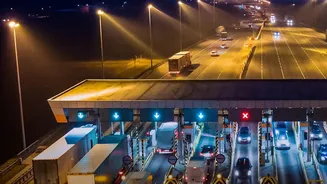









What is the New Tolling Model?
The 'new model' isn't a single switch but a larger transition towards a more efficient, automated tolling future. The government is moving towards a barrier-less system using technologies like Automatic Number Plate Recognition (ANPR) and, eventually,
a satellite-based GPS tolling system. The immediate and most critical part of this transition for drivers is the strict enforcement of the 'One Vehicle, One FASTag' policy and the mandatory requirement for a fully updated Know Your Customer (KYC) profile linked to your active FASTag. This ensures that every tag is linked to a verified individual and a specific vehicle, which is a foundational step for the accuracy of future automated systems.
Why Updated KYC Is Now Mandatory
For years, many FASTags were issued with minimal details just to get them activated. However, as India moves to a more sophisticated tolling network, this incomplete data creates problems. The National Highways Authority of India (NHAI), following RBI guidelines, has mandated that all FASTags must be linked to a full KYC account. This helps prevent misuse, such as using one FASTag for multiple vehicles, and ensures transparency in the electronic toll collection system. Without accurate, verified owner and vehicle data, advanced systems like distance-based GPS tolling would be impossible to implement fairly and securely. The KYC update is the backbone of this new era of tolling.
How to Check Your FASTag KYC Status
Before you rush to update, you should first check your current KYC status. It’s a simple process. You can log in to the web portal of the bank that issued your FASTag or the official IHMCL portal (fastag.ihmcl.com). Once logged in, navigate to the 'My Profile' or 'Account Settings' section. Your KYC status will be displayed there. It will typically show whether you have 'Minimum KYC' or 'Full KYC'. If your status is anything less than 'Full KYC', you need to complete the process.
A Step-by-Step Guide to Updating Your KYC
Updating your FASTag KYC can be done entirely online. The exact steps may vary slightly depending on your issuing bank, but the general process is consistent. First, log in to your FASTag issuer’s online portal or mobile app. Navigate to the 'Profile' or 'My Account' section and select the 'Update KYC' option. You will be prompted to fill in required fields and upload digital copies of specific documents. According to RBI guidelines, these typically include an official valid document for proof of identity and address (like an Aadhaar card, PAN card, or driving license) and a copy of your vehicle's Registration Certificate (RC). After submitting the documents and completing any required OTP verification, your request will be processed. The verification usually takes a few working days.
The Consequences of Non-Compliance
Ignoring the KYC mandate comes with significant consequences. The NHAI has been clear that any FASTag with an incomplete KYC, even if it has a sufficient balance, will be deactivated or blacklisted by the issuing bank. A blacklisted FASTag will not work at toll plazas. This means you will be forced to pay the toll in cash, and as per current rules, vehicles without a functional FASTag are charged double the toll fee. A deactivated tag also means you will not be able to recharge your FASTag wallet until the KYC is completed, causing major disruptions to your highway travel.