






The Rocket Builders: Launching India's Ambitions
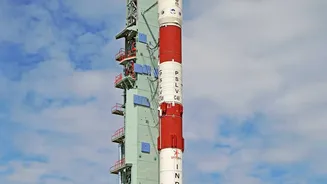
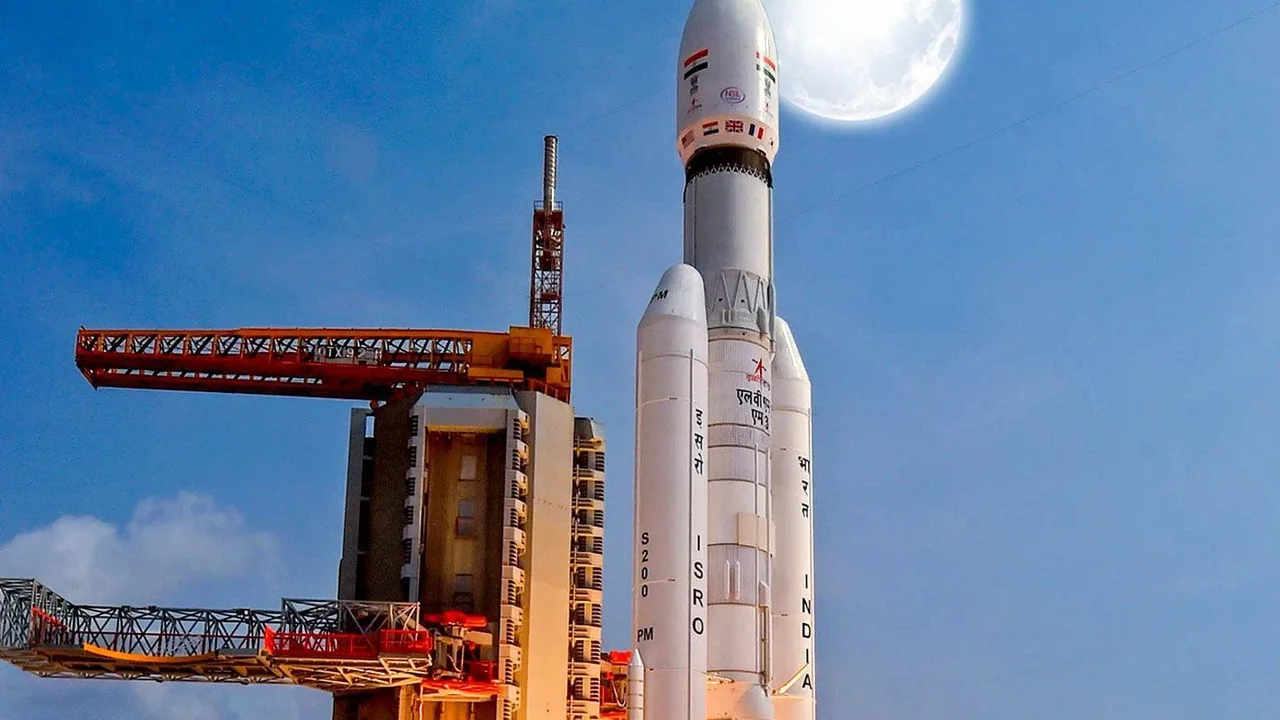
At the forefront of India's private space push are the companies building the vehicles to get to orbit. Hyderabad-based Skyroot Aerospace made history in July 2026 by launching Vikram-1, the country's first privately developed orbital rocket. This successful
launch made India only the third country, after the U.S. and China, to have a private company achieve orbital flight. The Vikram series of rockets is designed to provide cost-effective launch services for the booming small satellite market. Another key player, Agnikul Cosmos, incubated at IIT-Madras, has pioneered a different approach. In May 2024, it successfully launched a test flight of its Agnibaan SOrTeD, a vehicle powered by the world's first single-piece, 3D-printed semi-cryogenic engine. This innovative manufacturing technique drastically reduces complexity and build times, showcasing a nimble and scalable path to space.
The Eyes in the Sky: Hyperspectral Satellite Constellations
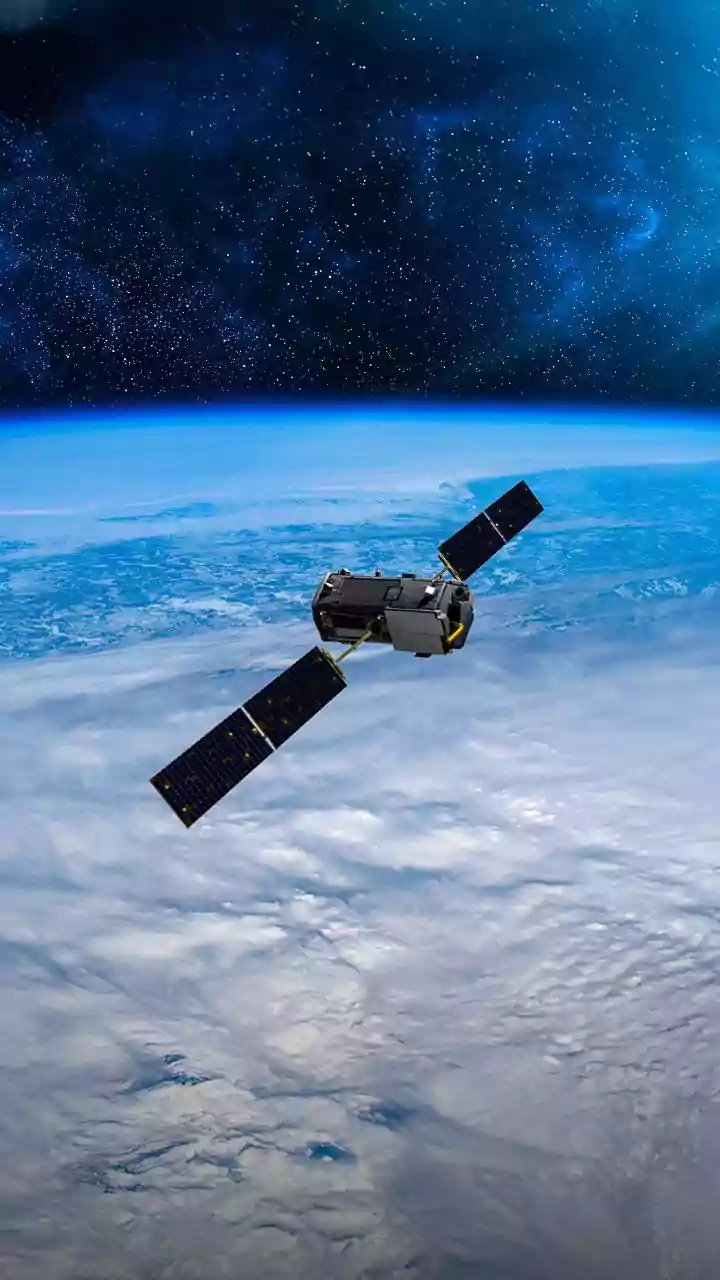
While getting to space is one part of the equation, what you do once you're there is another. Pixxel is a leader in Earth observation, building a constellation of advanced hyperspectral imaging satellites. Unlike standard satellites that see in a few bands of light, Pixxel's Firefly constellation can see in over 150 bands. This allows them to analyze the chemical composition of what they're seeing, providing incredibly detailed data for sectors like agriculture, mining, and climate change monitoring. Having already launched its first commercial satellites, the company is attracting significant investment to expand its constellation and build out its AI-powered analytics platform, Aurora, which helps customers make sense of this powerful new data. Pixxel has also secured contracts with NASA and the National Reconnaissance Office, highlighting its global credibility.
The Full-Stack Solution: End-to-End Satellite Services
Not every company wanting to operate in space can or wants to build a satellite from scratch. This is the market that Dhruva Space caters to. As a 'full-stack' space engineering company, it offers solutions that cover the entire mission lifecycle, from custom satellite design and development to launch services and in-orbit operations. Based in Hyderabad, the company provides satellite platforms, solar arrays, and orbital deployers, essentially offering the foundational hardware and support that other businesses need to get their technology into space. The firm has successfully tested its satellite deployers and even had its first private satellites, Thybolt-1 and Thybolt-2, authorized by IN-SPACe. By providing these modular and scalable solutions, Dhruva Space is lowering the barrier to entry for a wide range of applications.
The Enabler: How Policy Is Fueling the Boom
This explosion of private innovation didn't happen in a vacuum. It has been actively fostered by significant government policy reforms since 2020. The creation of the Indian National Space Promotion and Authorization Centre (IN-SPACe) has been a game-changer. It acts as a single-window agency, helping private companies access ISRO's world-class facilities, get authorizations, and navigate the complex regulatory landscape. This support, combined with new policies allowing for greater foreign direct investment, has de-risked the sector and attracted hundreds of millions of dollars in private capital. The number of Indian space startups has surged from just one in 2014 to over 400 in 2026, a clear sign that the ecosystem is thriving.