


The Tea Gardens Turn Luminous
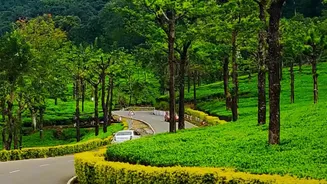
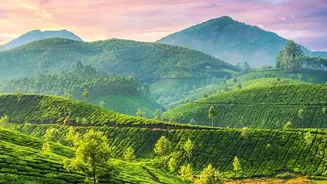
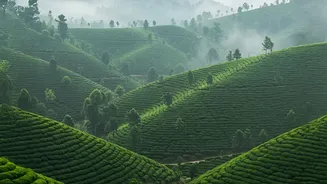
There is no sight quite like Assam’s tea estates after a fresh monsoon shower. The rain washes the dust off millions of leaves, leaving behind an endless carpet of shimmering, vibrant green. Regions like Jorhat, the tea capital of Assam, and Dibrugarh
become incredibly picturesque. The air grows heavy with the scent of wet earth and fresh tea. Driving through these areas, with mist hanging low over the plantations, is an experience in itself. The usual hustle of the tourist season is replaced by a profound calm, allowing for a more intimate connection with the landscapes that produce India’s favourite brew.
Haflong: A Hill Station in the Clouds
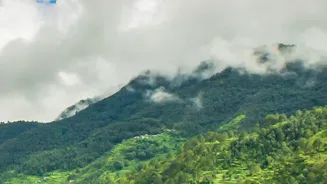
As Assam’s only recognised hill station, Haflong truly comes into its own during the monsoon. The heat of the plains gives way to a cool, misty climate. Clouds drift through the valleys like white rivers, and the surrounding hills, thick with forests and orchids, become intensely green. This is the season when dormant waterfalls suddenly spring to life, cascading down rocky cliffs. For those who enjoy trekking, the rain-washed trails offer a thrilling adventure into the heart of nature. It’s the perfect setting to unwind, watch the rain from a cozy perch, and enjoy the serene beauty of the hills.
Accessible Wildlife and Birding Havens
A crucial point for monsoon travel: major wildlife sanctuaries like Kaziranga and Manas National Parks are closed from roughly June to October due to flooding from the Brahmaputra River. However, this doesn't mean wildlife encounters are off the table. Dibru-Saikhowa National Park, a biosphere reserve made of wetlands and forests, remains open year-round and is exceptional during the monsoon when its riverine ecosystem thrives. It offers unique opportunities for boat safaris. Similarly, Deepor Beel, a freshwater lake near Guwahati, becomes a sanctuary for countless resident and migratory birds, making it a paradise for birdwatchers.
Majuli: The Enchanting River Island
The world's largest river island, Majuli, is a centre of Vaishnavite culture and serene beauty. During the monsoon, the Brahmaputra River swells, and the island becomes a breathtaking canvas of dramatic skies and lush paddy fields. It’s a time to experience its unique culture in a tranquil setting, visiting ancient 'Satras' (monasteries) and witnessing local life adapt to the rhythm of the river. However, prospective visitors must be cautious. The powerful river can lead to flooding and unpredictable ferry schedules. A trip to Majuli in the monsoon requires flexibility and a spirit of adventure, but the rewards are unforgettable.
Historical Sites Washed Anew
The monsoon adds a layer of mystique to Assam’s historical treasures. In places like Sivasagar, the former capital of the Ahom kingdom, ancient monuments like the Rang Ghar and Talatal Ghar stand majestically against overcast skies. The rain washes the centuries-old structures, highlighting their architectural details, while the surrounding tanks and fields overflow with water and life. Similarly, in Tezpur, known for its mythological roots, sites like Agnigarh Hill offer panoramic views of the swollen Brahmaputra amidst a misty, romantic atmosphere.
A Season of Sacred Festivities
The monsoon is not just a natural event in Assam; it’s deeply woven into its cultural fabric. One of the most significant events, the Ambubachi Mela, takes place in June at the Kamakhya Temple in Guwahati. This vibrant festival celebrates fertility and attracts devotees from all over the country, who brave the rains to participate in the sacred rituals. Visiting during this time offers a powerful insight into the spiritual heart of the region, where faith and nature are intrinsically linked. The monsoon rains add a palpable, mystical energy to the entire celebration.