



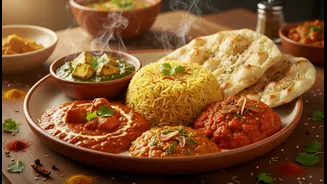


From Sightseeing to Flavour Seeking
There’s a significant shift happening in how Indians explore their own country. While the Taj Mahal and the backwaters of Kerala remain iconic, a new travel motivation is taking center stage: the pursuit of authentic culinary experiences. Food is no longer
just a component of a trip; for a growing number of people, it is the primary reason to travel. According to recent data, nearly 40% of Indian travellers identify local cuisine as a major factor when planning their holidays. This trend, known as culinary or gastronomic tourism, is moving beyond fine-dining in metros and venturing into the heartlands, where traditional recipes and generational food stories reside. This shift reflects a desire for immersive experiences that go beyond conventional sightseeing.
A Taste of Culture and Connection
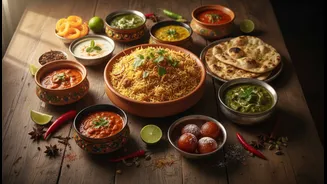
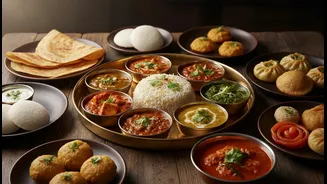
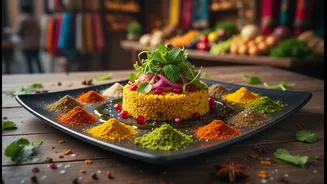
Why this sudden hunger for food-led travel? The answer is simple: food is a gateway to culture. Sharing a meal, learning a local recipe, or exploring a bustling spice market offers a direct and intimate connection to a place and its people. This is a form of tourism that engages all the senses. Imagine learning to prepare a traditional Rajasthani dish in a Jaipur home, sampling fiery seafood curries in Goa, or understanding the nuances of a 36-course Wazwan feast in Kashmir. These are not just meals; they are immersive cultural lessons. This trend is especially popular among travellers in the 28-40 age group, with social media and food influencers playing a huge role in bringing hidden culinary gems to light.
The Rise of Immersive Food Experiences
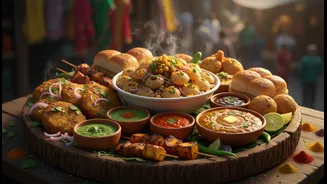
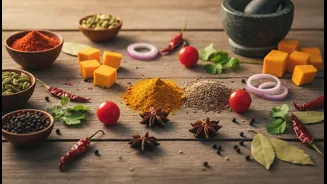
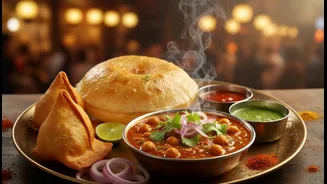
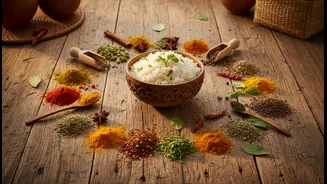
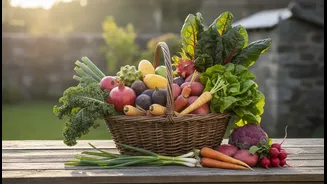
In response to this growing demand, a diverse range of food-focused experiences has emerged across the country. Agri-tourism is booming, with farm stays offering guests the chance to participate in everything from harvesting ingredients to learning traditional cooking methods. In states like Kerala and Himachal Pradesh, you can tour spice plantations or apple orchards, enjoying true farm-to-table dining. City-based food walks in places like Old Delhi, Mumbai, and Lucknow are also incredibly popular, guiding travellers through legendary street food lanes and decades-old eateries. Tour operators now offer curated culinary journeys, while homestays and heritage hotels are making local cuisine their unique selling proposition, often featuring cooking classes and meals with local families. These activities allow for deep community engagement and a more authentic travel experience.
Nourishing Local Economies
The impact of this trend extends far beyond the traveller's plate. Culinary tourism is a powerful tool for sustainable development, directly benefiting local communities. It provides an alternative source of income for farmers, supports small-scale food producers, and helps preserve culinary traditions that might otherwise be lost. When you book a farm stay or a local food tour, a significant portion of your spending is retained within that community. Women, often the keepers of traditional recipes, are becoming entrepreneurs, running cooking schools and catering services from their homes. Government initiatives like 'Dekho Apna Desh' and 'One District One Product' are also helping to put regional specialties on the national tourism map, fostering economic growth from the ground up.