


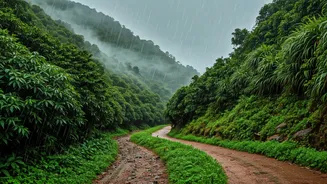
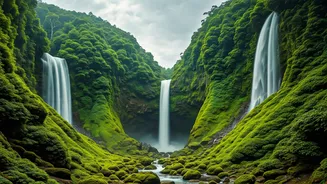
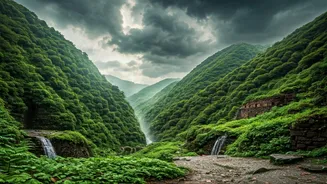


Munnar, Kerala: The Misty Tea Kingdom
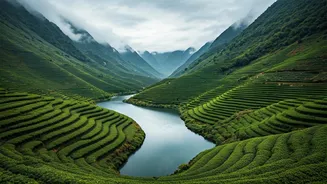
In the dry season, Munnar’s rolling hills are a pleasant, sun-drenched green, covered in manicured tea estates. But when the monsoon clouds roll in, the entire region transforms into an ethereal, otherworldly kingdom. A constant, gentle mist clings to the valleys,
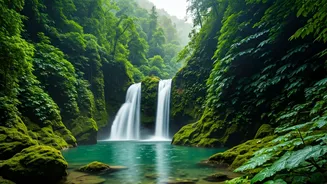
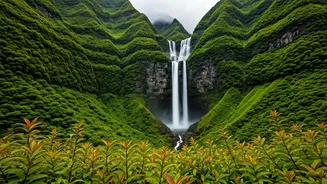
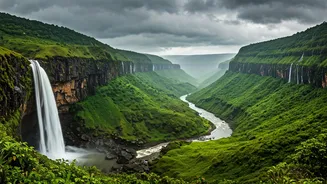
softening every edge and muting every sound except the rhythmic drumming of rain on leaves. The vibrant green of the tea bushes deepens into a hundred different shades of emerald and jade. Waterfalls, barely trickles for most of the year, roar to life, cascading down hillsides in powerful white torrents. The air, thick with the scent of wet earth and fresh tea, feels electric. Driving through its winding roads feels less like a trip and more like floating through a dreamscape.
Udaipur, Rajasthan: The Desert Oasis Reborn
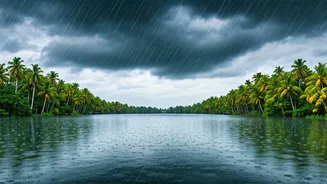
Rajasthan is famous for its arid, sun-baked landscapes and majestic desert forts. But in Udaipur, the "City of Lakes," the monsoon performs a miracle. Before the rains, the city's famous lakes, like Pichola and Fateh Sagar, can recede, leaving their edges exposed. The surrounding Aravalli hills are a dusty brown. Then the rain arrives. The lakes swell, rising to lap against the ghats and foundations of ancient palaces. The bone-dry hills explode into a startling, temporary green. The marble of the Lake Palace seems to gleam brighter, and the entire city, washed clean of dust, reflects in the newly replenished waters. The mood shifts from starkly beautiful to impossibly romantic, making it a favorite getaway for those seeking royal splendor softened by nature’s touch.
Valley of Flowers, Uttarakhand: A Carpet of Blooms
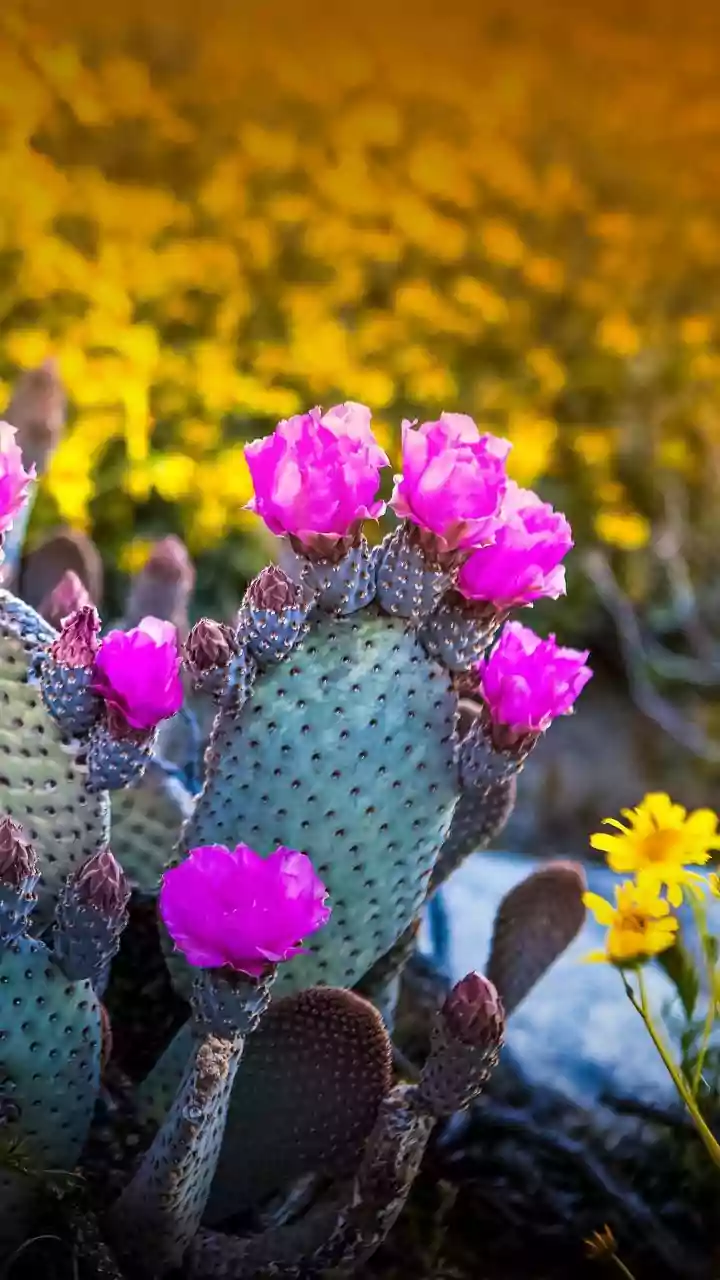
This one is less a transformation and more a creation. For most of the year, the Valley of Flowers National Park is a remote Himalayan valley, often covered in snow and inaccessible. It's the monsoon that brings it into existence. As the snow melts and the rains begin in June, this high-altitude meadow bursts into a riot of color. Over 500 species of wild flowers—from orchids and poppies to marigolds and daisies—bloom in unison, creating a breathtaking floral carpet stretched between towering, snow-capped peaks. The valley, which is a UNESCO World Heritage Site, is only open from June to October, making it a truly monsoon-dependent wonder. It's a challenging trek to get there, but the reward is a landscape so vibrant it feels almost unreal.
Coorg, Karnataka: The Emerald Paradise
Known as the "Scotland of India," Coorg in the Western Ghats is beautiful year-round. But during the monsoon, its beauty becomes profound and immersive. The region’s sprawling coffee and spice plantations drink in the rain, their leaves turning a glossy, deep green. The air hangs heavy with the fragrance of pepper vines, cardamom, and damp soil. The landscape, already hilly, becomes dramatic as low-hanging clouds drift through the valleys, obscuring and then revealing lush vistas. This is the season when Abbey Falls and Iruppu Falls, popular tourist spots, are at their most ferocious and spectacular. For those who don't mind the damp, a monsoon drive through Coorg is a sensory overload in the best possible way.
Meghalaya: The Abode of Clouds
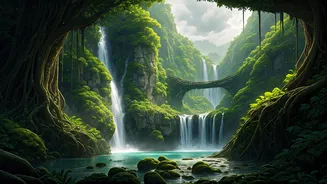
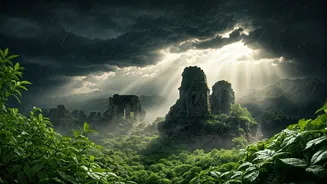
It’s no surprise that a state whose name literally means “abode of the clouds” is at its best during the rain. Home to Mawsynram and Cherrapunji, two of the wettest places on Earth, Meghalaya doesn't just get rain; it is defined by it. During the monsoon, the entire state is shrouded in a mystical veil of clouds. This is when the famous living root bridges, bio-engineered wonders made from the roots of rubber trees, are at their most enchanting, glistening with moisture amidst the downpour. Waterfalls, like the seven-tiered Nohsngithiang Falls, appear to drop directly from the clouds themselves. The landscape is a study in green and grey, a primeval world of astonishing beauty that truly comes alive when the heavens open.