



Decoding the 'Premium' Dal
In recent years, consumers have become more conscious about the quality and origin of their food. This trend has given rise to a market for 'premium' versions of everyday staples, and lentils are no exception. But what exactly are you paying for? The
'premium' tag on a packet of dal can refer to several things. It might be organically grown, meaning it's cultivated without synthetic pesticides or fertilizers, which many believe results in a cleaner product. Another common distinction is 'unpolished' versus 'polished'. Polished dals are processed to look shiny and uniform, but this process can strip away some of the outer layer containing fibre and nutrients. The term can also signify a specific 'heirloom' variety, a traditional grain that may offer a unique taste or texture, or lentils sourced from a specific geographical region known for its quality.
A Guide to Common Lentils
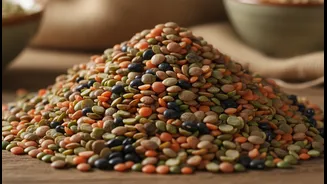
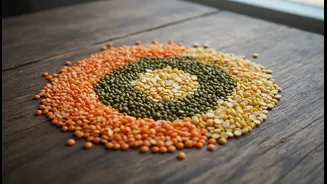
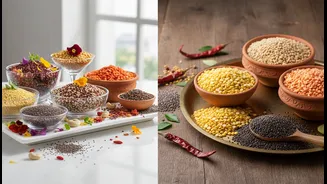
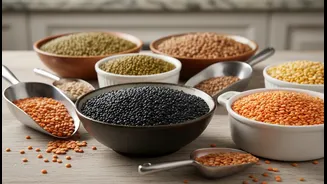
The world of Indian dals is vast, with each type offering a different flavour, texture, and culinary use. Toor Dal (Arhar) is a nutty and mild staple, forming the base of dishes like South Indian Sambar and Gujarati dal. Moong Dal, known for being light and easy to digest, is perfect for simple dal tadka and khichdi. Masoor Dal (Red Lentil) is earthy and cooks quickly, making it ideal for soups and everyday meals. Urad Dal provides a rich, creamy texture essential for dal makhani, idlis and dosas. Finally, Chana Dal is heartier with a nutty flavour, holding its shape well in curries. For each of these, you can often find both standard and premium versions, allowing you to choose based on your recipe and preference.
Polished vs. Unpolished: What's the Real Difference?
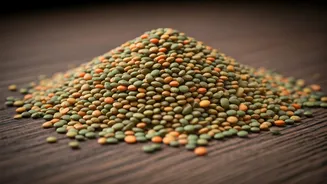
The most significant comparison for consumers is between polished and unpolished dals. Polishing is a cosmetic process where dals are passed through machines with water, oil, or even stone powder to make them shiny and appealing. However, this process removes the outer bran layer. Unpolished dals retain this layer, which is rich in fibre and nutrients. Advocates for unpolished dals claim they have a more natural, earthy taste and better texture. They may also cook faster and are considered easier to digest. To identify unpolished dal, look for a less uniform, rawer appearance with sharper edges. A simple test is to wash a handful; if the water turns cloudy, it may be a sign of polishing agents being washed away.
Organic and Heirloom: Is the Extra Cost Worth It?
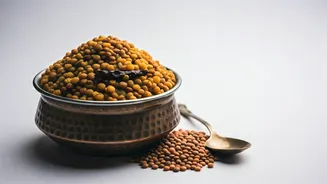
Organic lentils are grown without synthetic chemicals, which appeals to health and environment-conscious buyers. Proponents suggest they have a richer, more natural flavour and may contain higher levels of certain nutrients due to healthier soil. However, this comes at a higher price. Heirloom varieties are traditional, non-hybridised seeds passed down through generations. They can offer unique flavours and textures not found in mass-produced lentils. For food enthusiasts, exploring heirloom dals like horse gram (Kulthi) can be a rewarding culinary experience. Whether the extra cost is justified is a personal decision. For everyday cooking, a good quality unpolished dal might suffice. For special dishes where flavour is paramount, or if avoiding pesticides is a priority, organic or heirloom options could be a worthwhile investment.
How to Choose the Best Dal for You
When you're at the store, don't just reach for the shiniest packet. First, consider the dish you're making. A creamy dal makhani benefits from the richness of whole urad, while a quick weeknight soup is perfect for masoor dal. Next, check the label for terms like 'unpolished' or 'organic' if those qualities are important to you. Compare prices—is the premium version twice the price? If so, consider if the potential benefits in taste and nutrition are worth it for your budget. Sometimes, brands use 'premium' as a marketing term without clear justification. Look for specific information that backs up the claim, such as certification logos for organic products or details about the lentil's origin.